Air New Zealand plans for elevated fuel costs into 2027

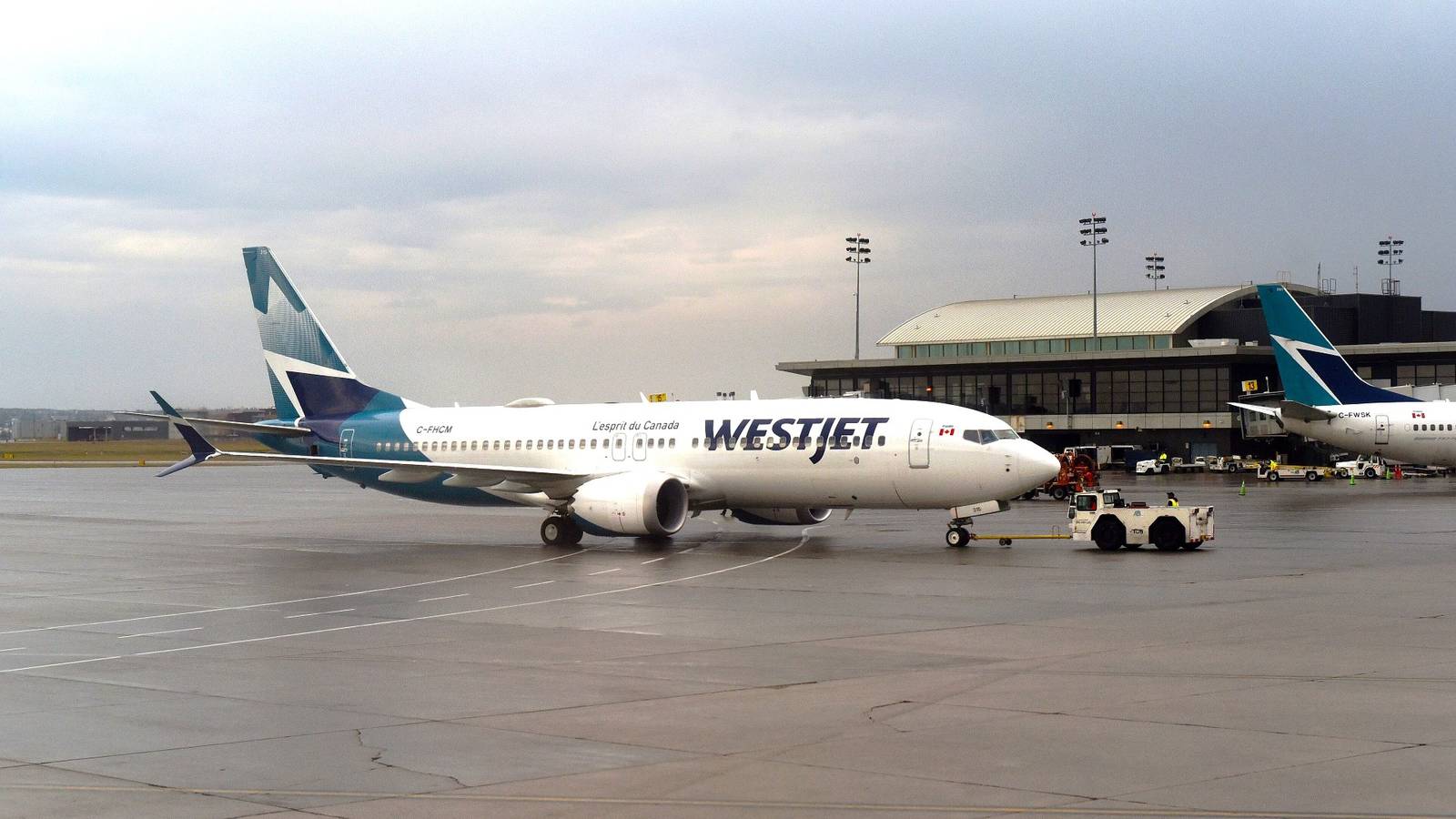
Air New Zealand is planning for elevated fuel costs into its 2027 financial year, after offsetting part of the impact through hedging and fare increases. Chief Executive Nikhil Ravishankar said the airline has hedged about 25% to 40% of the hit and has already raised fares in response. The forecast assumes jet fuel around $150 per barrel from the Singapore Jet Index, disclosed by Ravishankar at the IATA annual meeting in Rio de Janeiro. He stressed there are no fuel supply shortages, but the price shock remains the main challenge facing the carrier. To weather higher fuel prices, Air New Zealand will deploy a mix of cost cuts, supplier negotiations, fare increases and capacity reductions if needed. Ravishankar outlined a plan that could include further tactical fare increases in markets where demand remains resilient. The airline has already completed two rounds of price hikes and does not expect to tap new liquidity markets, citing a solid balance sheet and unencumbered aircraft assets. If fuel prices stay elevated, Air New Zealand would rely on cost reductions, supplier negotiations, and capacity adjustments to protect earnings. The carrier is also dealing with engine problems and earlier delivery delays that once grounded up to 20% of its fleet. Compensation from Boeing, Rolls-Royce and Pratt & Whitney helped but only partially offset the losses, Ravishankar said. The problems have eased, with the percentage of grounded aircraft falling to under 5% and most planes expected back in service within two to three months. He noted that recovery has begun, but fuel volatility will continue shaping route and market planning. The remarks illustrate Air New Zealand's cautious but proactive approach as it navigates a higher fuel-price environment into 2027.
 xCruzo