Simple Flying
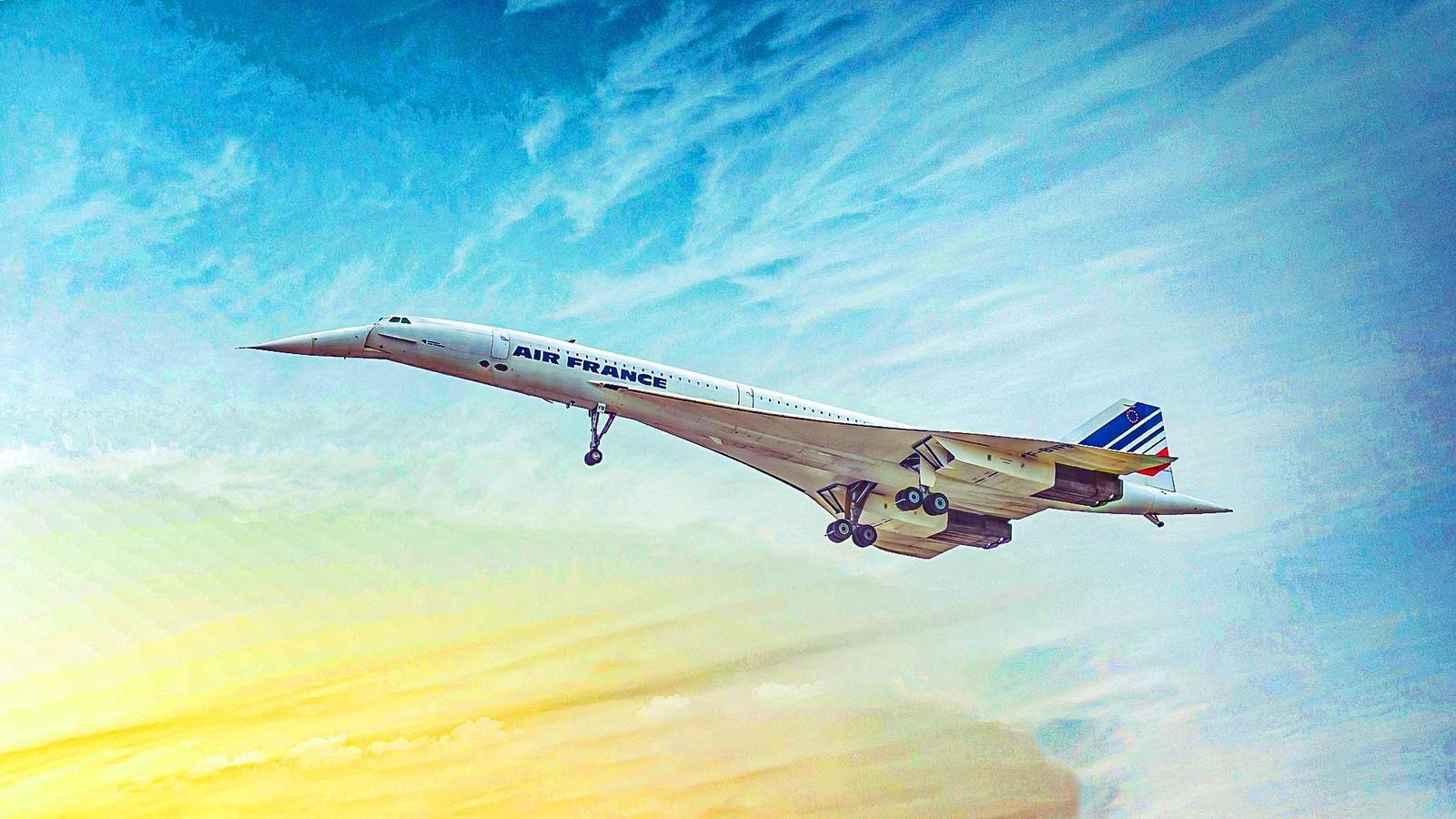
Concorde's Droop Nose Solved A Problem Its Delta Wing Created
⏷ This article is from 2026-08-16 • More recent news →
xCruzo Brief
Concorde’s distinctive “droop nose” wasn’t just a visibility trick. The aircraft’s flight manual imposed a strict rule: below 250 knots (463 km/h), the nose had to move to the lowered position on schedule, regardless of pilot preference. That requirement was built into a triple-redundant hydraulic system with four fixed positions. Engineers at Aérospatiale and BAC accepted the unusual mechanism because Concorde’s slender delta wing, optimized for sustained Mach 2.04 cruising, had limited space for conventional high-lift devices. The wing relied on vortex lift at low speed, and flaps or slats would disrupt the airflow structure.
xCruzo quick-read summary • Source: Simple Flying • Read the full article for complete information.
 xCruzo

Operación Huésped: la trama que intentó esconder a Gadafi en México
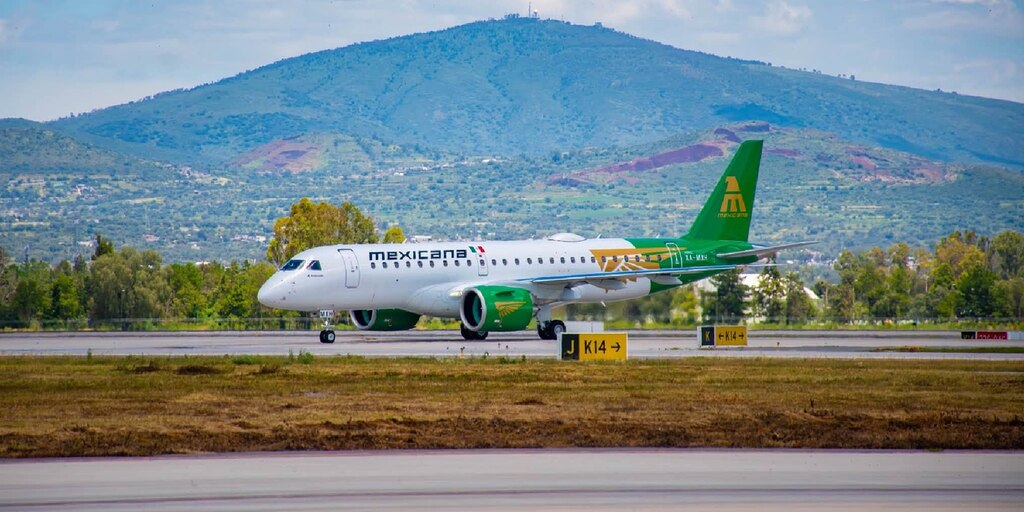
Mexicana de Aviación recibe su octavo avión Embraer E190-E2 y prepara nueva ruta a Zacatecas

Jets activate 366-pound defensive monster ahead of 2026 season

The 5 Worst US Navy Aircraft Carriers of All Time
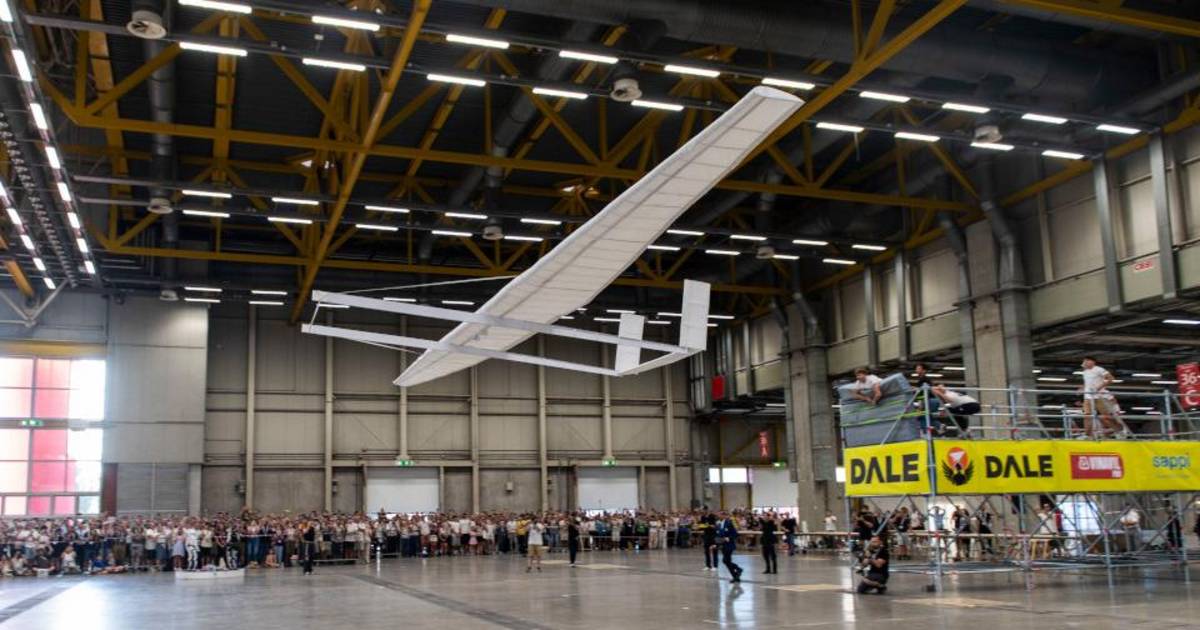
Un avión de papel para la historia | El Dia

Fuerzas Armadas 2024-2026: Abinader marca una etapa de modernización, presencia territorial y desafíos de mejora

China busca el avión comercial C919 frente al Airbus y Boeing
Pilot and 3 passengers killed in crash of Yute Commuter Service plane near St. Mary's