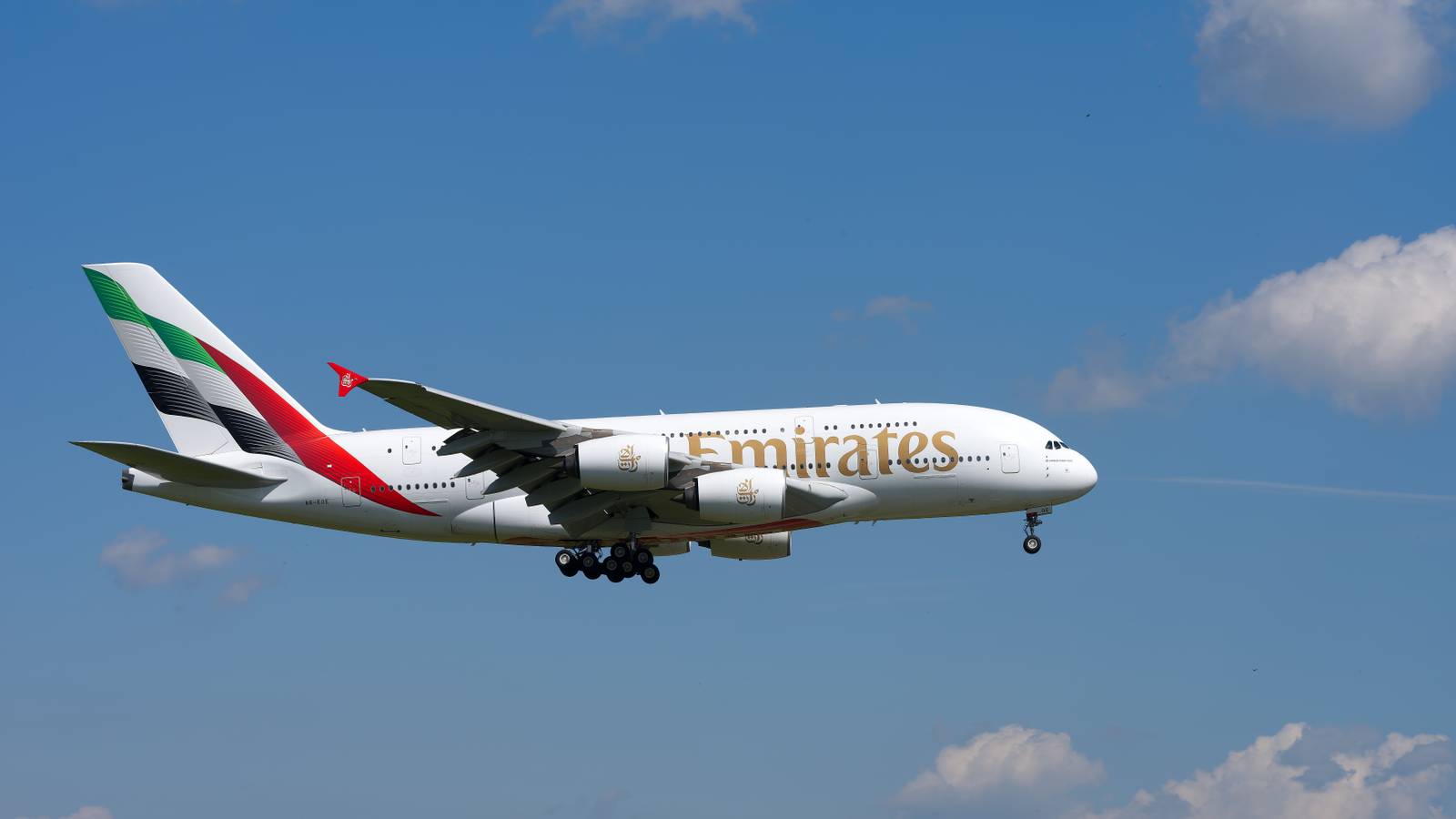
How food waste is becoming clean-burning jet fuel
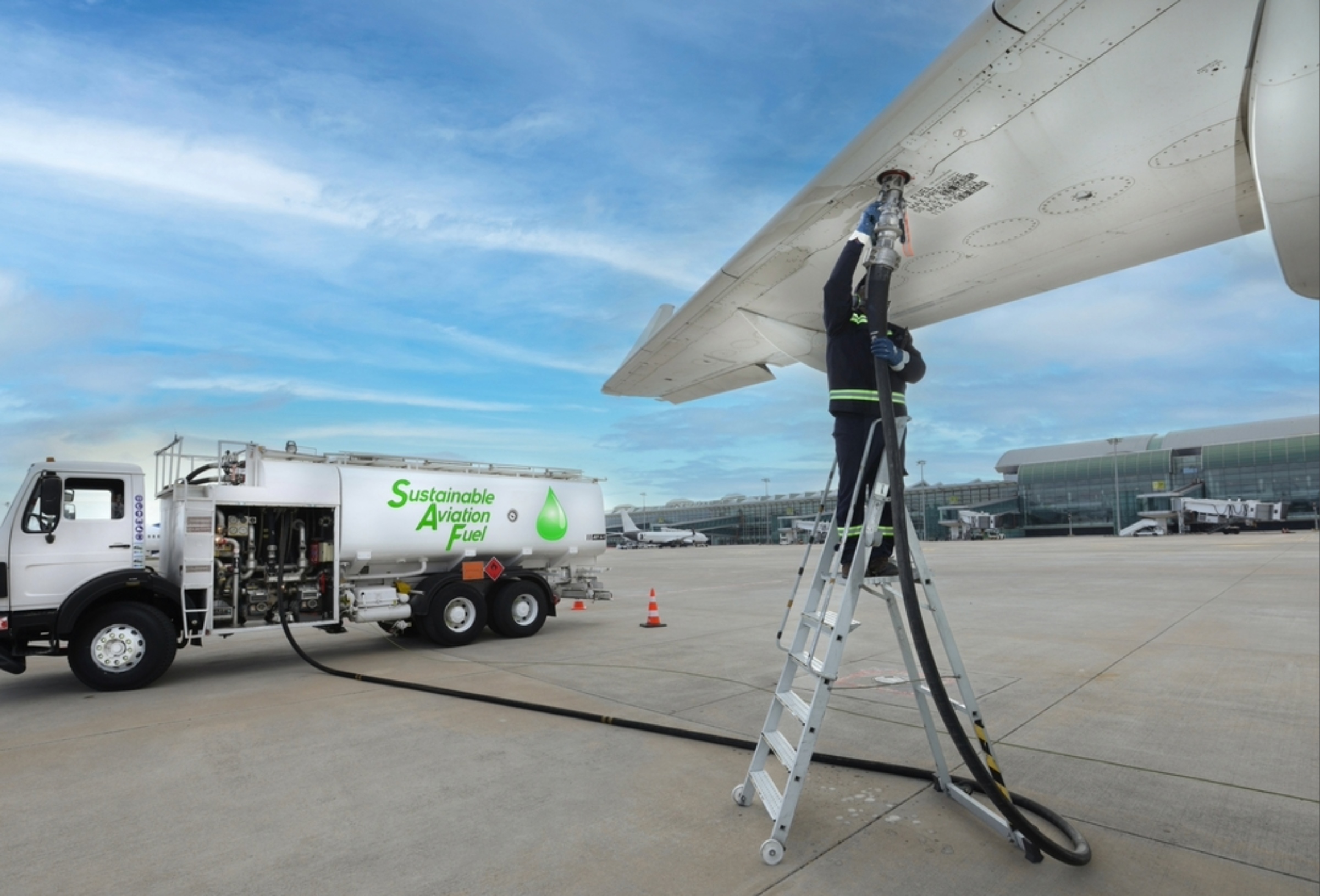
How food waste is becoming clean-burning jet fuel explains research converting discarded food into a sustainable aviation fuel that can meet standards without blending with conventional fossil fuels. The article says landfilled food waste decomposes and releases methane, while aviation’s decarbonization is constrained by the lack of battery options for long-distance flights. Researchers led by Yuanhui Zhang at the University of Illinois Urbana-Champaign use hydrothermal liquefaction—heat and intense pressure in minutes—to create a thick oily liquid, followed by a catalyst refining step to reach sustainable aviation fuel requirements. In tests, the fuel met benchmarks for flash point and viscosity, theoretically allowing 100% use in a jet engine without fossil blending. The chemistry includes ring-shaped cycloalkanes making up about 70% of the blend, supporting energy density and stability. Compared with Jet A, it reportedly carried more energy per gallon and remained liquid at lower temperatures, improving cold tolerance at altitude and passing aviation authority checks.
 xCruzo



![Only 57% Full: The 10 Shockingly Empty Europe-US Airline Routes [List & Map]](https://static0.simpleflyingimages.com/wordpress/wp-content/uploads/2026/06/united-airlines-boeing-787-london-mock-up.jpg?w=1600&h=900&fit=crop)