How one organization is working to help keep water in rivers during extreme drought
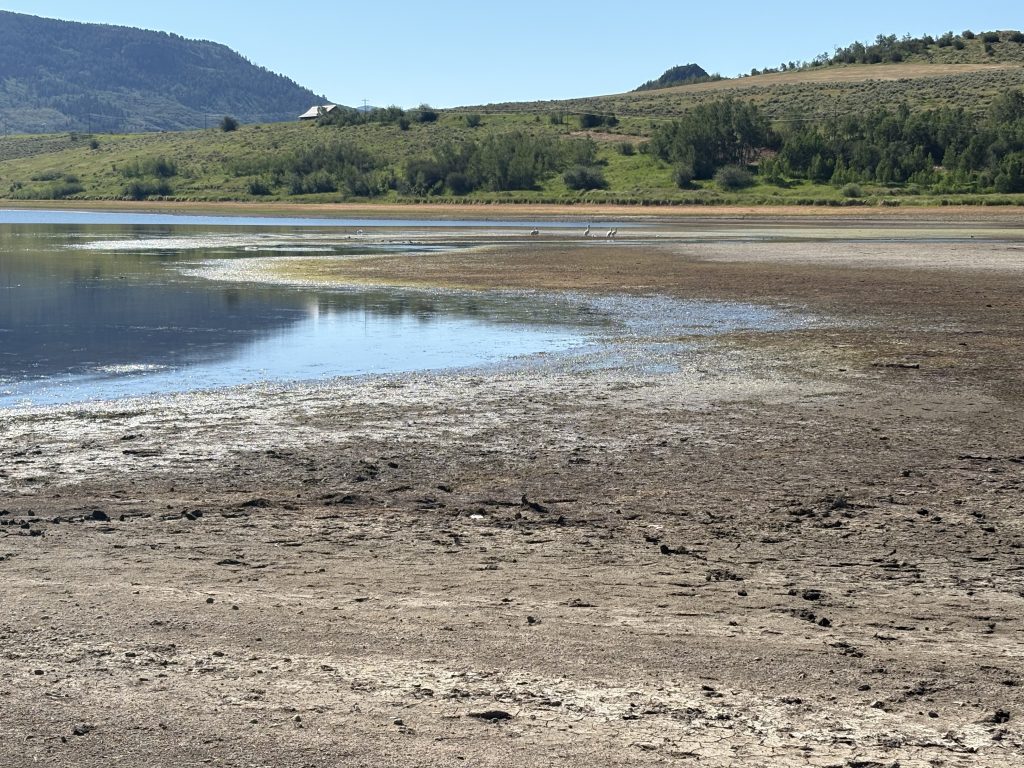
An online discussion in Colorado focused on why some rivers keep flowing during extreme drought while others run dry, linking conditions to water rights, geography, and operational decisions. Hosted by Water Education Colorado on Thursday, July 9, the session featured experts from the Upper Yampa Valley Water Conservancy District and Colorado Water Trust. Danielle Snyder, a water resources specialist with Colorado Water Trust in Durango, said releases from reservoir operators, leases arranged by project partners, and evaluations by Colorado Parks and Wildlife can determine where water remains. The nonprofit, founded in 2001, reported negotiating agreements that returned more than 32 billion gallons of water to streams. Colorado Water Trust’s executive director, Kate Ryan, said nearly half of the water added back in larger rivers such as the Yampa and Colorado comes through such efforts. She also explained that Colorado’s “first in time, first in right” doctrine can leave even relatively senior rights short during severe drought, and that instream flow rights authorized in the 1970s are comparatively junior. The drought cuts off junior users first as flows decline.
 xCruzo