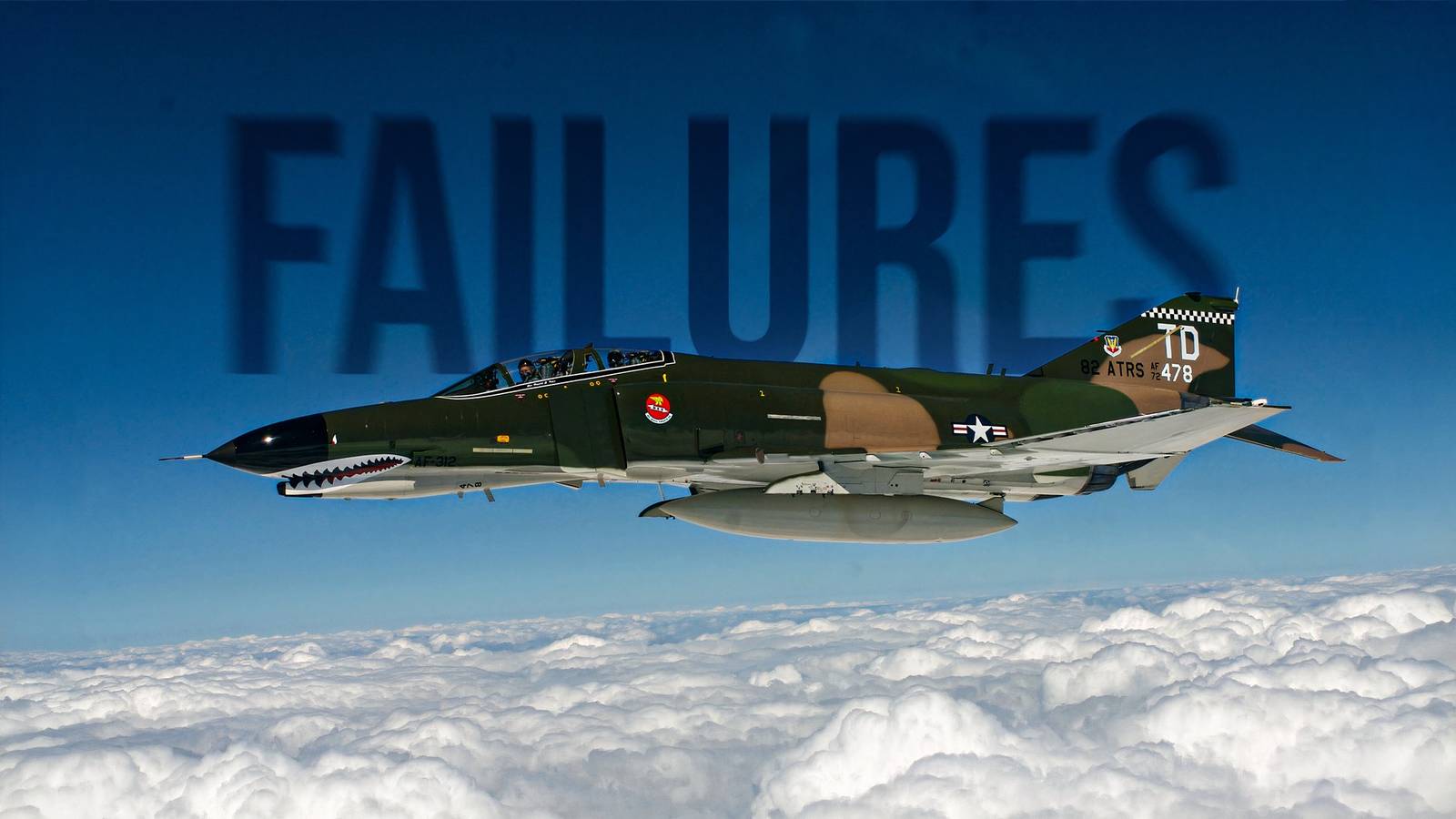
How The F-4 Phantom's Failures Forged The F-15, F-16, & Top Gun
The failures of the F-4 Phantom helped shape later U.S. fighters such as the F-15 and F-16 by revealing gaps in Vietnam-era air combat doctrine and hardware expectations. In the early Cold War, the U.S. Navy sought a high-speed, all-weather aircraft to protect carrier battle groups from Soviet bombers armed with anti-ship missiles, and McDonnell Douglas won the 1958 design competition. The F-4 Phantom II entered service in 1960 with the U.S. Navy and by the mid-1960s was adopted by both the U.S. Marine Corps and the U.S. Air Force. Powered by two General Electric J79 engines, it could exceed Mach 2.2 and carry more than 18,000 pounds (8,400 kg) of weapons on nine external hardpoints. However, despite strong interceptor, strike, and reconnaissance capabilities, it was not optimized for close-in turning fights that became common in Vietnam. The article links difficulties to unreliable early missiles, limited emphasis on maneuver training, and rules of engagement requiring visual identification, while MiG-17 tactics often exploited low-altitude positions.
 xCruzo
![Hour Flights: Turkish Airlines Eyes Brand-New Ultra-Long Route [Map]](https://static0.simpleflyingimages.com/wordpress/wp-content/uploads/2026/06/320-turkish-airlines-airbus-a350-mc-mediastudio-_-shutterstock.jpg?w=1600&h=900&fit=crop)