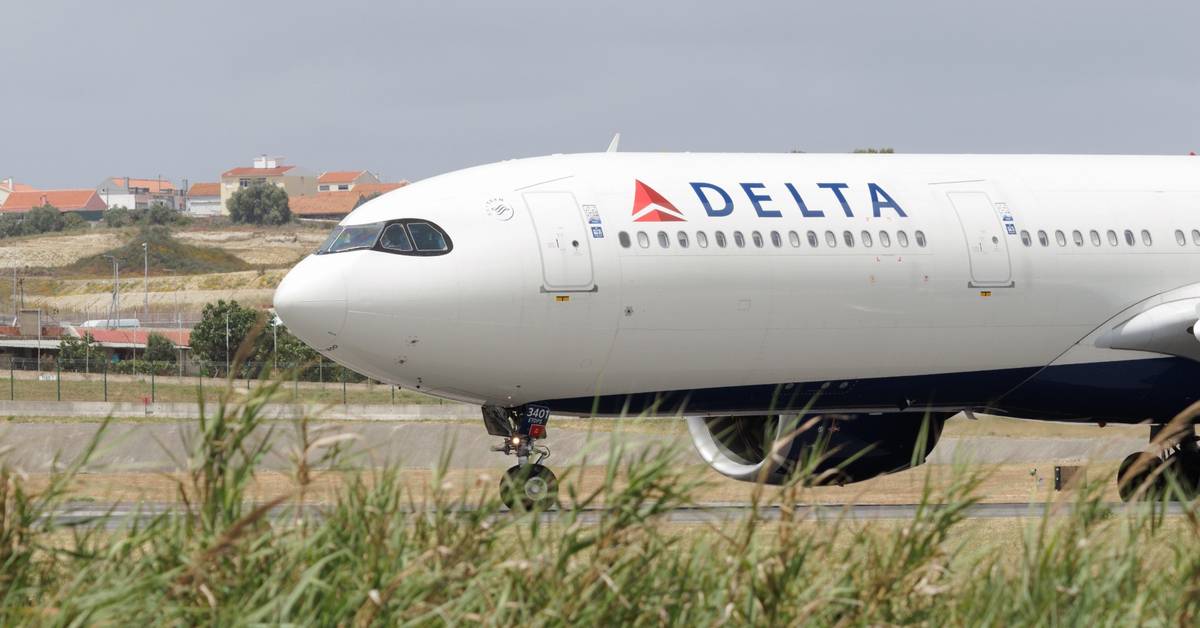
Rolls-Royce's Most Notable Engines That Changed Long-Haul Flying Forever
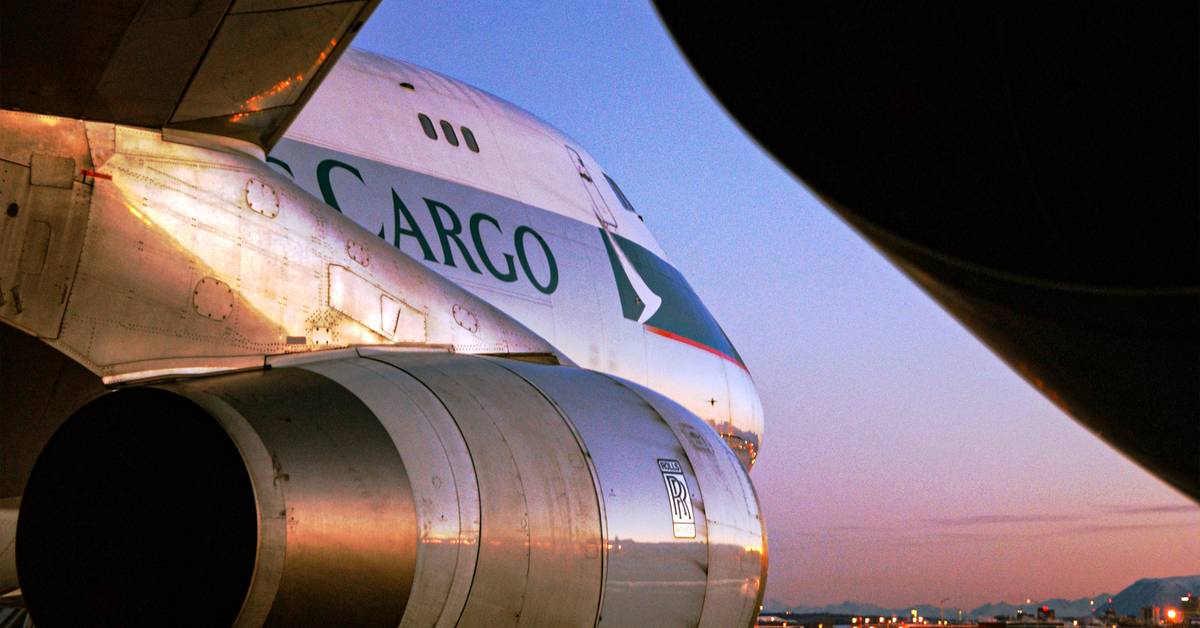
Rolls-Royce’s engine breakthroughs over the past six decades helped make long-haul air travel faster, farther, and less fuel-hungry—transforming both airline economics and global connectivity. The article traces key generational leaps, starting with early turbojets such as the Pratt & Whitney JT3C and Rolls-Royce Avon, whose high-temperature, high-velocity exhaust limited efficiency on long-range missions. It then highlights the mid-1950s Rolls-Royce Conway, developed on the bypass principle: about 30% of cold air is routed around the core to reduce exhaust velocity and specific fuel consumption, while lowering jet-mixing noise. Entering service in 1960, Conway-powered variants enabled nonstop transatlantic payloads on early 707 and DC-8 models, before later Rolls-Royce architectures followed.
 xCruzo