Why A Boeing 737 Pilot's Muscle Memory Becomes The Enemy On Their 1st Approach In The 787
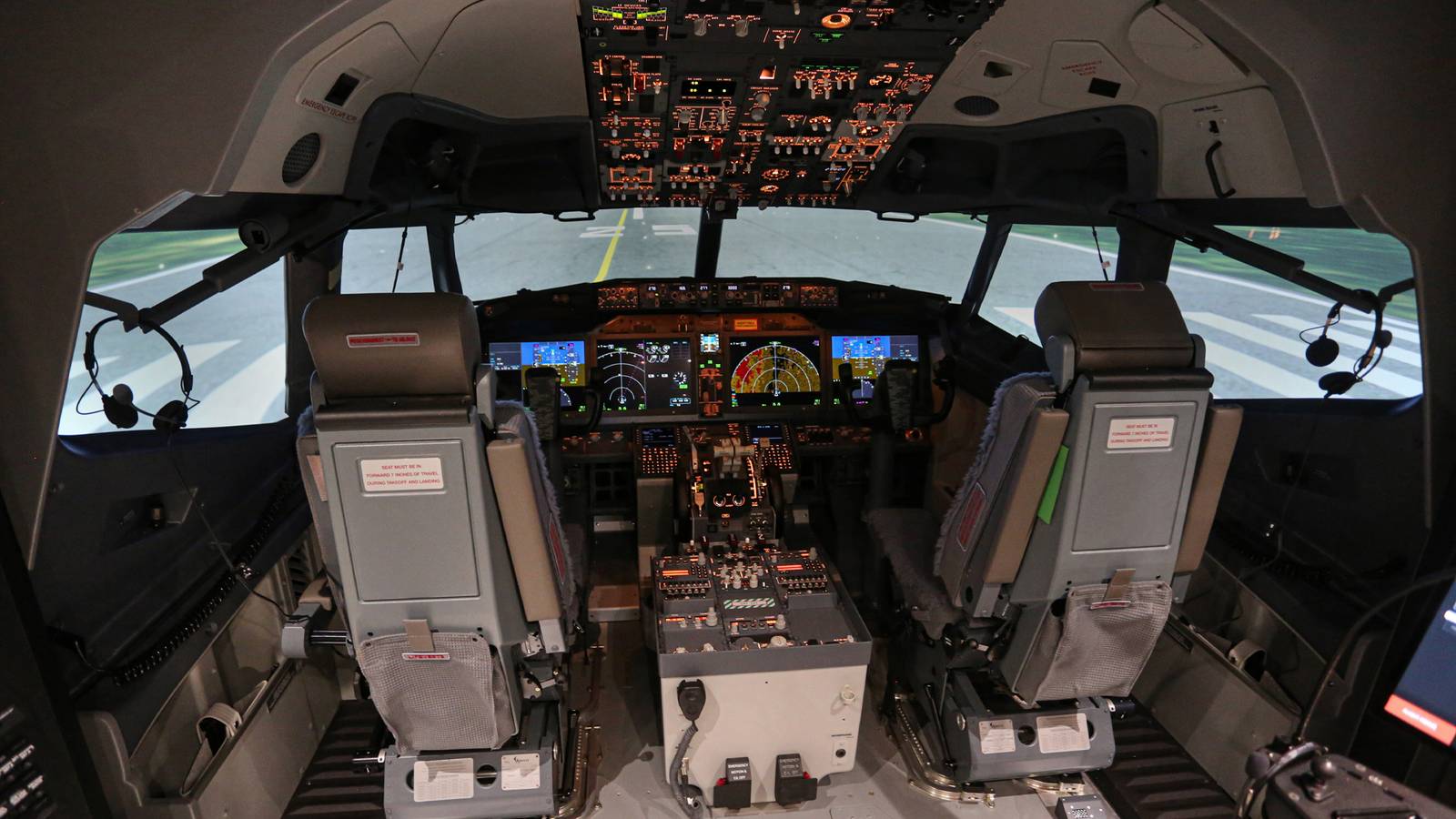
Why A Boeing 737 Pilot's Muscle Memory Becomes The Enemy On Their 1st Approach In The 787 centers on how ingrained habits from one aircraft can complicate a transition to the Boeing 787 Dreamliner. The article explains that cockpit commonality may ease system learning, but first approaches can still trigger pilot-induced oscillation (PIO), a timing-related human factors issue. Citing the Aircraft Owners and Pilots Association (AOPA), PIO occurs when pilots apply corrections that are mistimed or excessive, worsening deviation instead of stabilizing it. The cycle begins with a small attitude change as a pilot perceives drift, applies a correction, then responds again after the aircraft reacts differently than expected. The risk rises during type transitions because reflexes are calibrated to a different control response profile, forcing pilots to override instinct with conscious corrections.
 xCruzo