Why Do Contrails Form Behind Some Aircraft But Not Others?
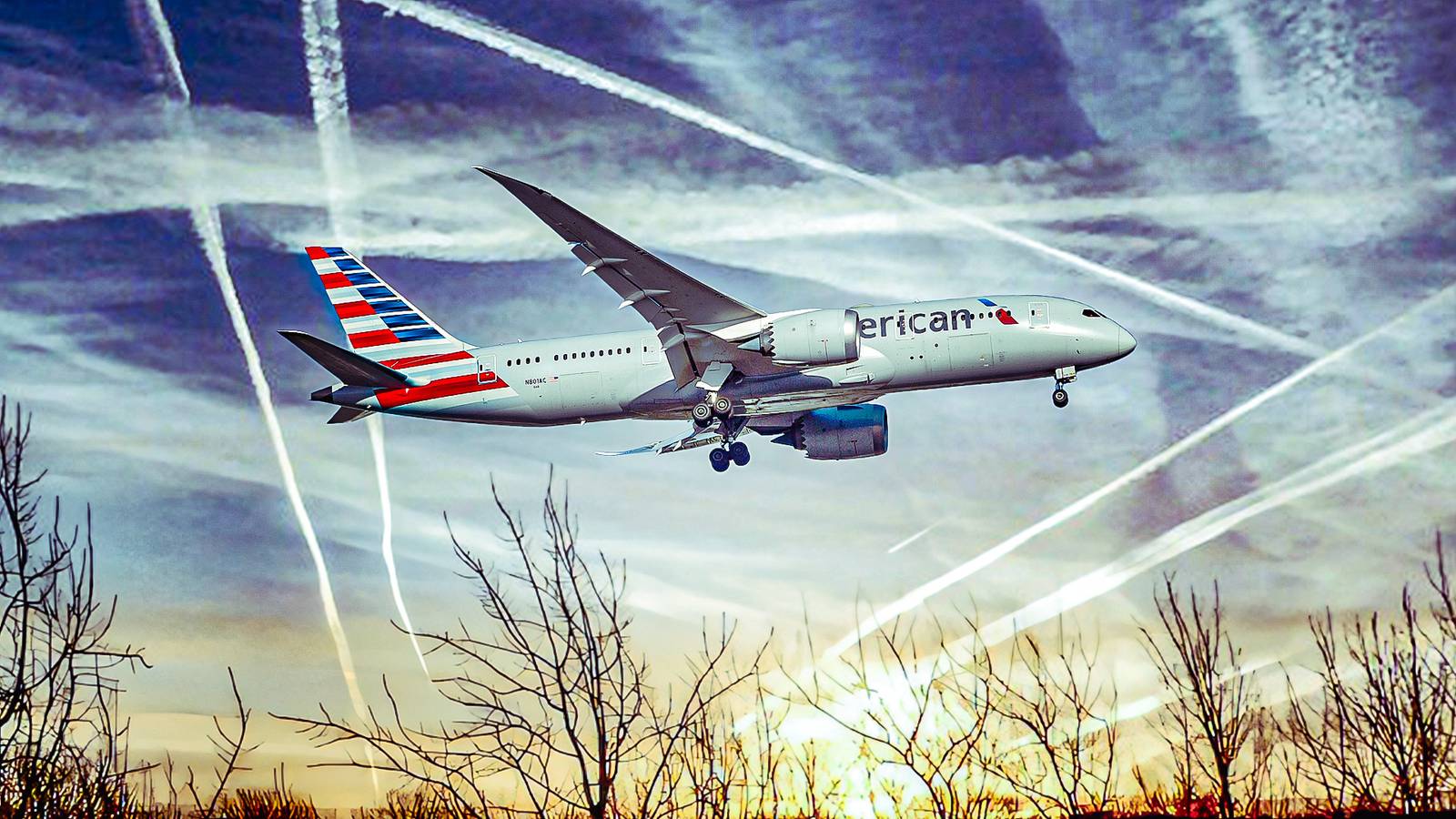
Contrails form behind some aircraft but not others, a phenomenon this article expands by detailing how engine exhaust and local atmosphere interact to create ice crystals. A commercial jet emits water vapor and soot, but whether those emissions become a visible cloud depends on the surrounding air. Contrails form when the air is extremely cold and highly humid, forcing vapor to freeze quickly into ice. If the air is dry or slightly too warm, the byproducts stay invisible and dissipate within milliseconds. The result is driven by microclimate, not by engine type, so two planes on similar paths can leave markedly different footprints. Ultra-high-bypass engines have subtly shifted the contrail production window, a change highlighted by researchers seeking to understand what planes leave behind. The article notes that carriers are increasingly using predictive AI to nudge flight paths toward drier pockets of air, in effect rewriting routes to minimize visible clouds. This development matters because contrail suppression could influence fuel efficiency, weather forecasting, and the assessment of climate impact. The piece frames contrails as a tangible intersection of atmospheric science, technology, and aviation policy in the 21st century, with ongoing implications for operational decisions and sky cleanliness.
 xCruzo