Why It Took The X-59 Nearly A Year Of Flights To Finally Break The Sound Barrier
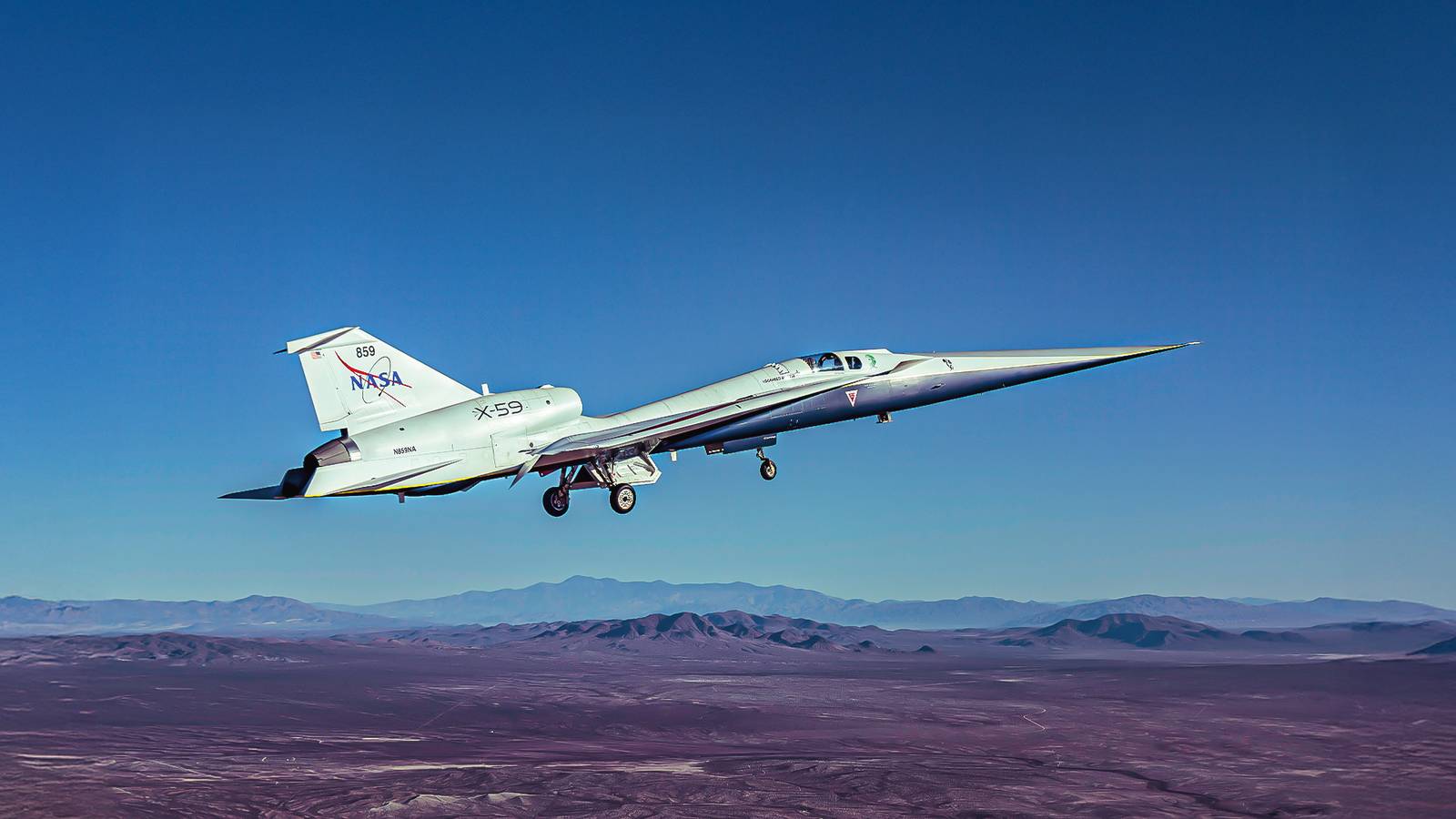
The NASA X-59 Quesst, built by Lockheed Martin Skunk Works, took about seven months from its first flight on October 28, 2025 to break the sound barrier safely for the first time on June 5, 2026. NASA said the aircraft’s pace was driven by “envelope expansion,” a step-by-step process required to keep an experimental vehicle safe and controllable as engineers gradually test limits. Prior to the supersonic attempt, NASA carried out 16 subsonic flights to verify basic airworthiness, engine performance, handling qualities, and structural integrity. The X-59’s specially contoured airframe is designed to prevent pressure waves from combining into a traditional sonic boom. After breaking the barrier, NASA will scale up to a design cruise speed of Mach 1.4 and gather feedback on the aircraft’s quiet “sonic thump.”
 xCruzo