Great Barrier Reef Hosts Its Own Diverse Microbiome
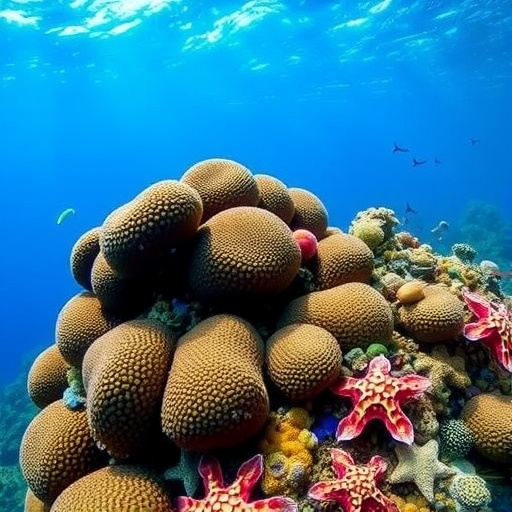
A new Nature study maps the Great Barrier Reef’s open-water “planktonic microbiome,” showing how unseen microbes underpin reef health. Using advanced DNA sequencing, an international team generated more than 800,000 microbial genomes from seawater samples collected across 48 reefs. Led by The University of Queensland and the Australian Institute of Marine Science (AIMS), the research uncovered over 500 bacterial species not previously reported, along with hundreds of thousands of viral types, including Crassvirales. The study identified 5,283 bacterial and archaeal genomes (876 species), with about two-thirds absent from public databases, and recovered complete chromosomes from key microalgae genera. The researchers say the dataset supports reef monitoring as conditions change during events like bleaching, storms and sediment impacts, and they released a Great Barrier Reef Microbial Genomes Database via IMOS.
 xCruzo