Japanese Flying Squid Find Spawning Habitat but Larvae Hit Record Low, Study Shows
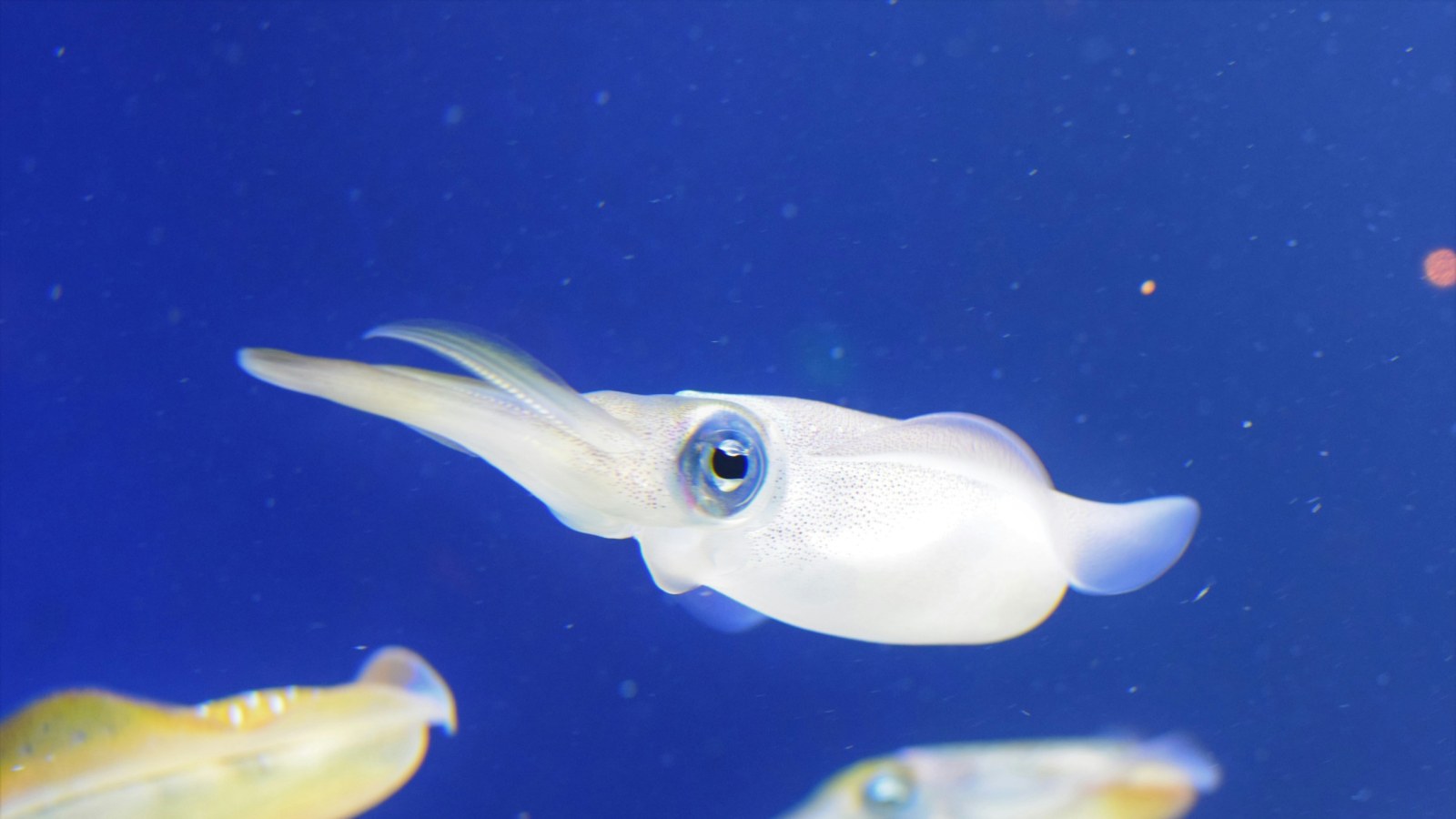
A Korean government study published September 3 in Frontiers in Marine Science finds that the East Sea still provides suitable warm-water conditions for Japanese flying squid to spawn, but survival of the next generation is collapsing. Researchers combined 20 years of ocean temperature mapping with a fishery-independent count of baby squid at spawning grounds, uncovering a recruitment crisis that standard catch data may miss. Sea-surface temperatures in the spawning domain rose 0.32 to 0.52°C per decade between 2000 and 2025—twice to four times the global ocean rate—and warming extended down to 100 meters. Thermal spawning habitat shifted north about 27 km per decade without shrinking overall, yet larvae reached record-low levels over seven years.
 xCruzo