Mediterranean Study Maps Coastal Vulnerability to Operational Marine Oil
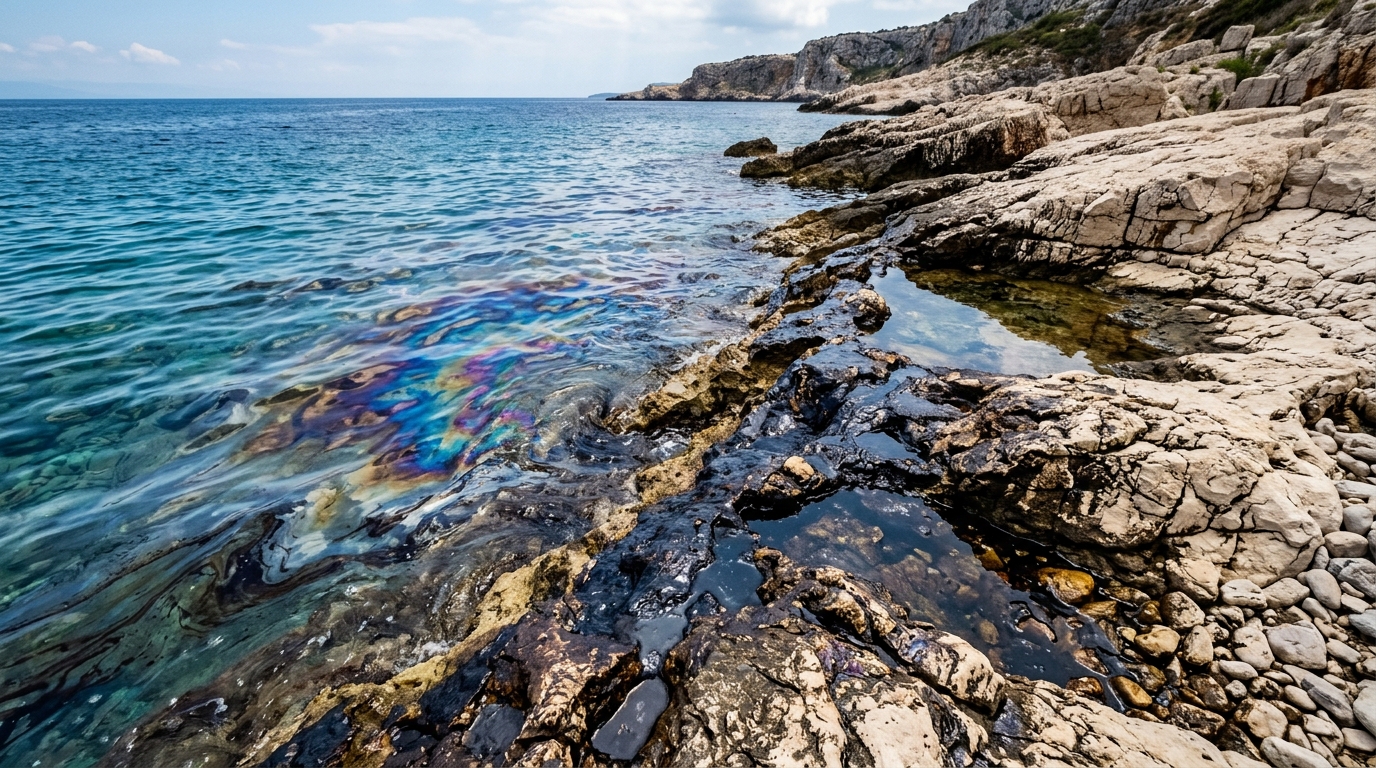
A five-year numerical modeling study published in Frontiers in Marine Science says routine operational oil discharges across the Mediterranean can create coastal contamination patterns with “heavy tails,” meaning extreme beaching events happen far more often and at higher concentrations than traditional Gaussian models predict. Researchers focused on frequent releases tied to commercial shipping—such as oily ballast water, machinery bilge water, fuel oil sludge, and engine lubricants—arguing that these regular inputs can amount to more total hydrocarbon pollution than rare, high-impact tanker accidents. Using the MEDSLIK-II model, they ran ensemble simulations from January 1, 2018 to December 31, 2022, tracking 20.4 tons of fuel oil residue per release over 120 hours to quantify coastal physical vulnerability across 18 Mediterranean nations.
 xCruzo