Michigan livestock operations produce billions of gallons of waste as water quality declines
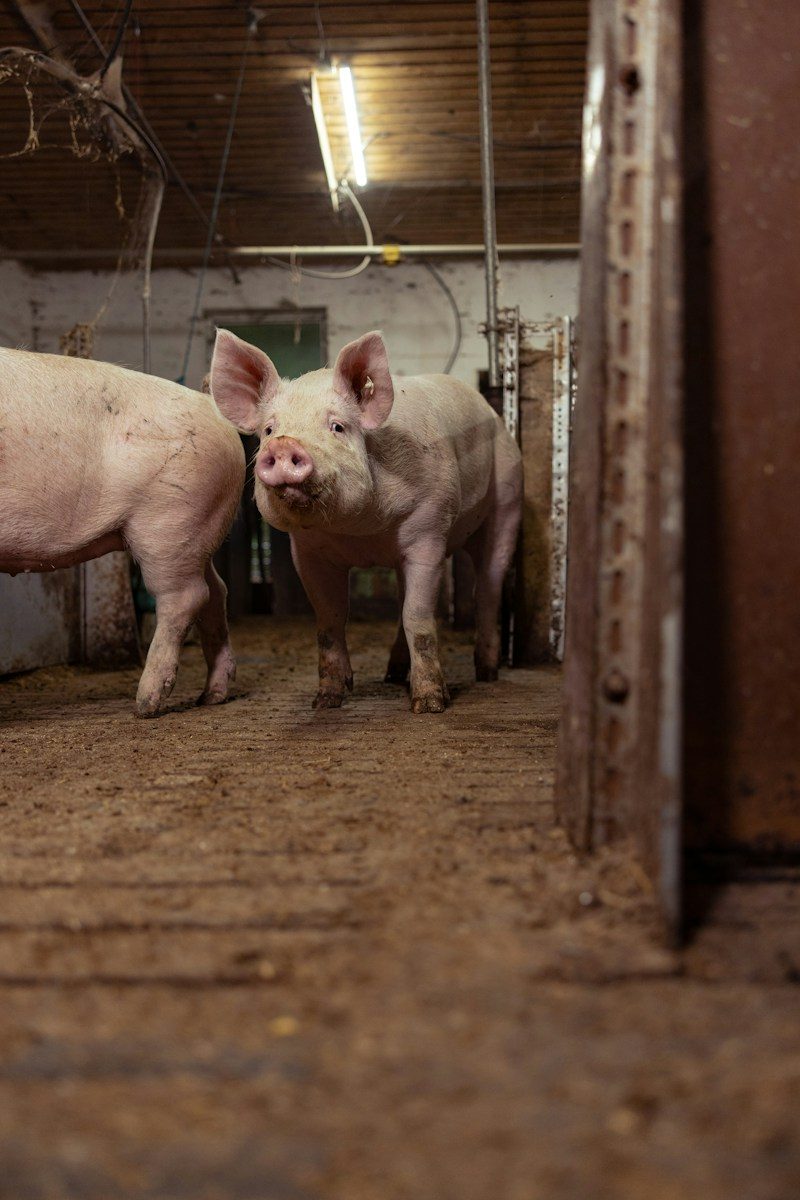
Michigan’s fast-growing industrial livestock sector is being linked to worsening water quality, according to reporting from WOWO and Bridge Michigan. Residents around the Pine River in Gratiot County say they have pulled docks, sold boats, and stopped swimming as bacterial levels rise and thick weeds make parts of the river harder to navigate. The issue spans the state: about three-quarters of Michigan’s rivers and streams show human or animal waste levels above state standards. Environmental groups tie the decline to concentrated animal feeding operations (CAFOs), with Gratiot County holding 24 regulated CAFOs—more per square mile than anywhere else in Michigan. Bridge Michigan estimates those CAFOs generate roughly 420 million gallons of animal waste annually in the county. Samples reportedly show E. coli spikes after rainfall, with antibiotic-resistant bacteria and increased phosphorus contributing to algae and oxygen depletion.
 xCruzo