Navy to continue low-frequency sonar training in Hawaiian waters
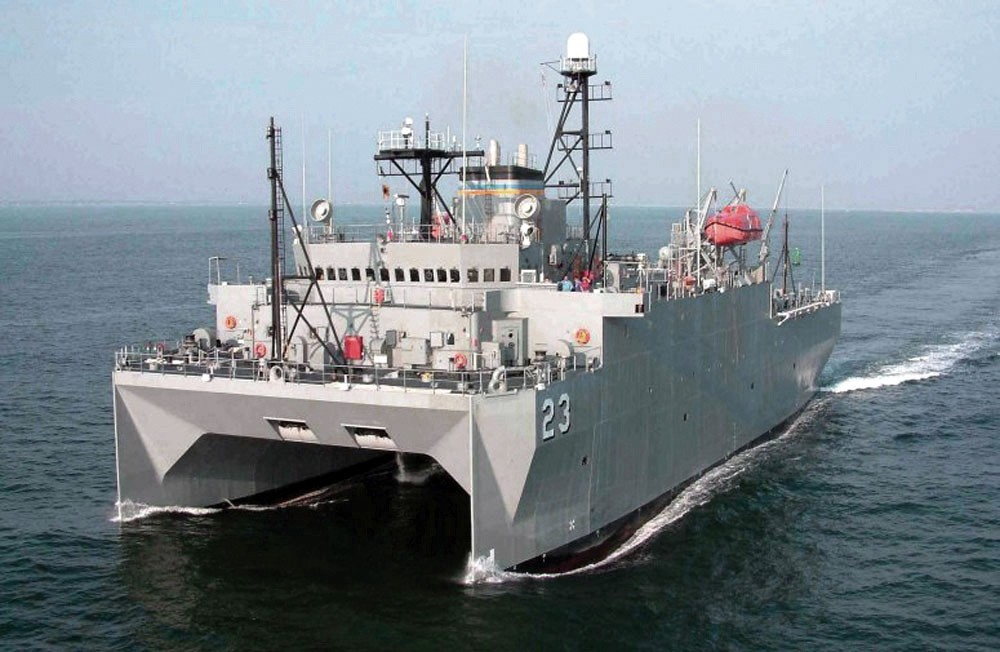
The U.S. Navy will continue low-frequency active sonar training and testing in Hawaiian waters and other parts of the Western and Central North Pacific and the Eastern Indian Ocean. The plan is set out in a record of decision tied to the SURTASS LFA final supplemental environmental impact statement, selecting the Navy’s preferred alternative from several options reviewed. The sonar is towed by surveillance ships and is used to detect, track, and report diesel- and nuclear-powered submarines over long distances. The Navy says operational boundaries and mitigation zones remain unchanged from 2019, including a 12-nautical-mile buffer from land, while it added protections for Offshore Biologically Important Areas and updated some seasonal restrictions. Annual transmission hours rise to 1,100 from 592 analyzed in 2019, attributed to changes in measurement method rather than expanded operations. The Navy cites updated marine mammal data, a new acoustic modeling system (NAEMO), and public input, with documents available on its NEPA website.
 xCruzo