New Method Yields High-Quality Chromosomes from Dead Marine Fish
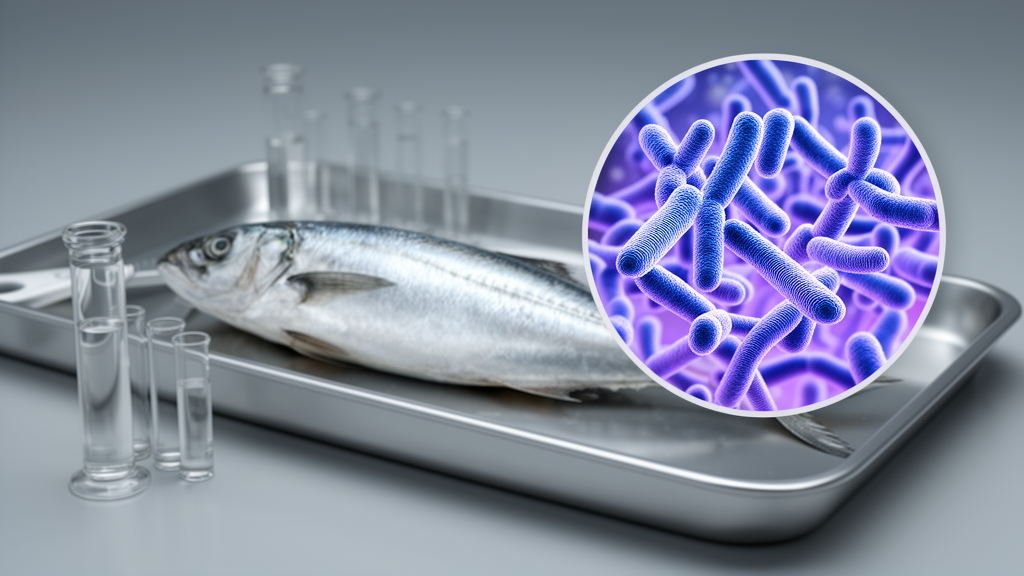
Researchers reported a short-term in vitro method to extract high-quality chromosomes from marine fish samples even after the specimens are no longer alive, addressing a major bottleneck in fish cytogenetics. Using a culture medium called PB-MAX™, scientists produced clear metaphase spreads from kidney tissue of two species—the Mediterranean horse mackerel (Trachurus mediterraneus) and the black scorpionfish (Scorpaena porcus)—within a few hours of postmortem collection. The study, published in Acta Ichthyologica et Piscatoria, focused on fish that are difficult to keep alive in labs, expanding cytogenetic research to taxa previously inaccessible to in vivo culture methods. The protocol involved a kidney tissue incubation at 4°C for about three to four hours, colchicine treatment for metaphase arrest, followed by hypotonic treatment and fixation, then Giemsa staining and C-banding and Ag-NOR banding. Updated karyotypes were obtained, including a diploid number of 48 for the horse mackerel.
 xCruzo