New Study Identifies "Vertical Marine Heatwaves" in Chesapeake Bay and
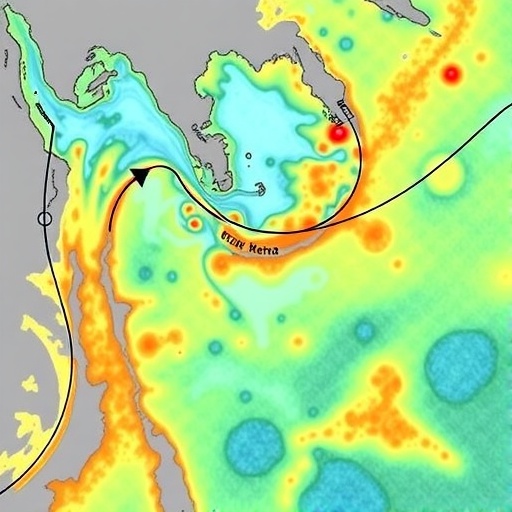
A new study from the Virginia Institute of Marine Science and the Batten School of Coastal & Marine Sciences shifts how scientists view marine heatwaves by adding a three-dimensional perspective. Published in the Journal of Geophysical Research: Oceans, the work analyzes Chesapeake Bay heatwaves from 1985 through 2023, using high-resolution simulations that reveal subsurface dynamics previously hidden by surface-only metrics. Led by Nathan Shunk with advisor Piero Mazzini, the project introduces a 'vertical marine heatwave' classification that tracks heat-crest propagation across depth and time. The approach yields a visual scheme for managers to assess initiation points, coverage, and co-occurrence of surface and bottom anomalies, informing prediction and resilience efforts.
 xCruzo