The fish behind America's fish sticks is fueling a fight over trawling in Alaska

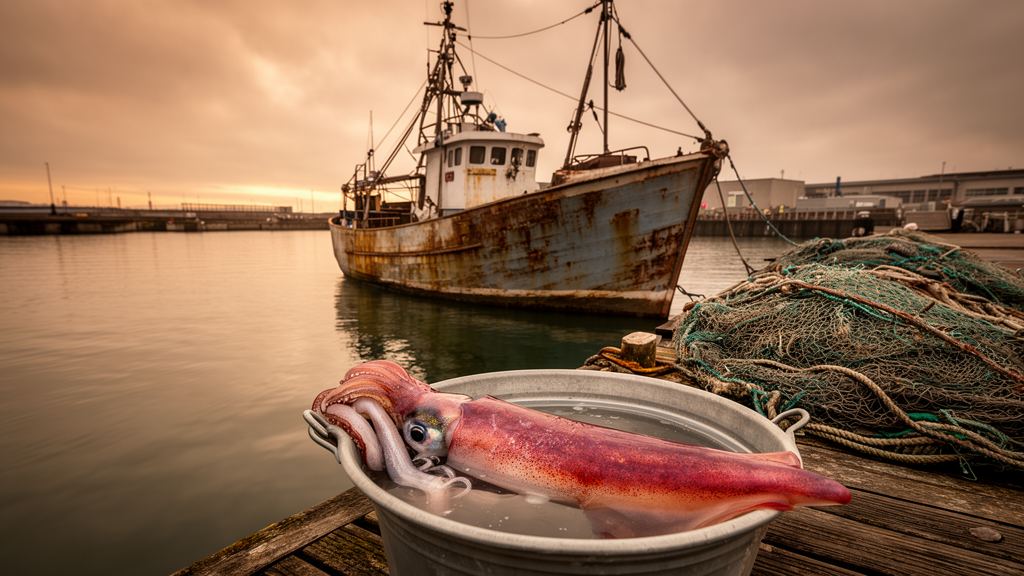
Industrial trawling in Alaska’s Bering Sea is at the center of an escalating political and cultural dispute, driven by concerns over bycatch of salmon. The story follows a pollock trawler fishing Alaska pollock—described as the second-largest fishery on Earth and used in products such as McDonald’s Filet-O-Fish and fish sticks. While operators say their methods aim to minimize environmental impacts, the nets also catch other species. Bycatch accounts for 2% of the pollock fishery’s total catch, and at the scale of billions of pounds harvested annually, that can translate into hundreds of thousands of salmon. Over the last decade, trawlers averaged about 18,000 Chinook and 288,000 other salmon annually, mostly chum. The backlash intensified as salmon runs collapsed across western Alaska, affecting dozens of Native communities and also smaller commercial and charter fishers. Critics argue salmon declines stem from warming waters and changing ocean conditions rather than trawling, but others say bycatch is controllable. The report notes Alaska and Canada imposed a seven-year Chinook fishing ban on the Yukon River in 2024 to allow depleted populations to rebuild, alongside other closures and restrictions.
 xCruzo