This Boat Motor Advice Wisdom Or Myth? - Jalopnik
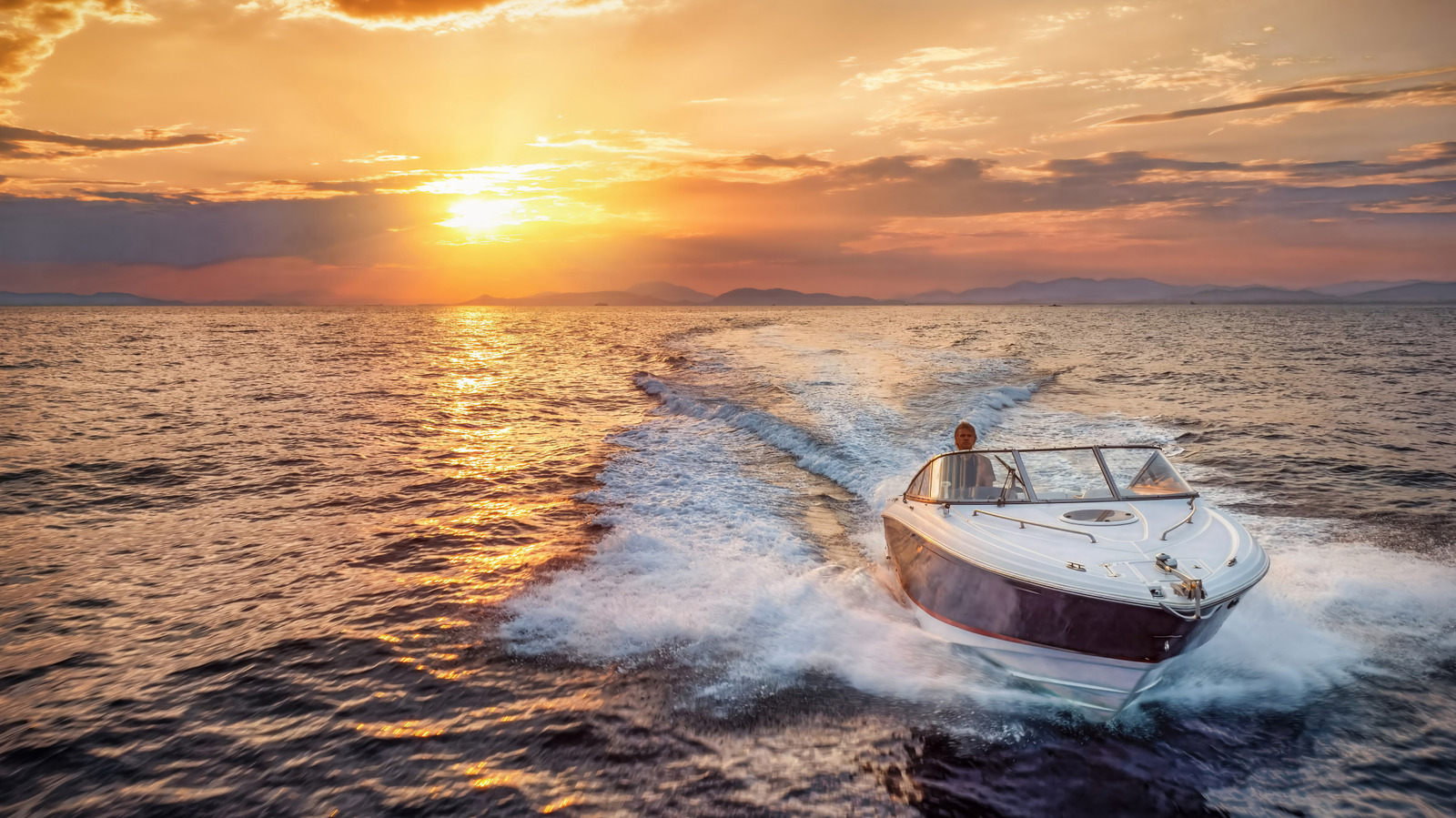
Boat motor purchasing often hinges on hours, not just price, a theme this Jalopnik piece expands by comparing used marine engines to other high-usage machines. The article notes that many buyers still follow the rule of thumb to avoid engines with more than 1,000 hours, but it stresses that this threshold is only a starting point. Whether the engine is inboard or outboard, the remaining life depends more on how those hours were accumulated and how diligently the unit has been serviced. Critics and enthusiasts alike argue that the 1,000-hour rule is a myth in disguise, with maintenance and technology evolution able to extend reliability beyond the marker. The piece highlights ongoing improvements in materials, diagnostics, and electronics that can keep older powerplants competitive. Readers are urged to look beyond total hours and investigate the entire maintenance narrative. A thorough log of service intervals, winterization history, and evidence of repairs can be more telling than the odometer reading alone. The author emphasizes how usage patterns—whether hours came from long, single trips or many short runs—shape wear and heat cycles, influencing future performance. In practice, the decision becomes a balance between hours, condition, and future plans for the vessel. As engine technology advances, even higher-hour installations may prove reliable if cared for with modern maintenance standards. Ultimately, the takeaway is nuanced: there is no universal magic number; the value of a used motor rests on a holistic assessment rather than a single statistic. Buyers should seek a detailed maintenance history and a professional inspection to verify condition. As technology advances, a well-kept higher-hour unit can still be a sensible purchase when paired with good records.
 xCruzo


