What failure of COP31 reveals about a divided world
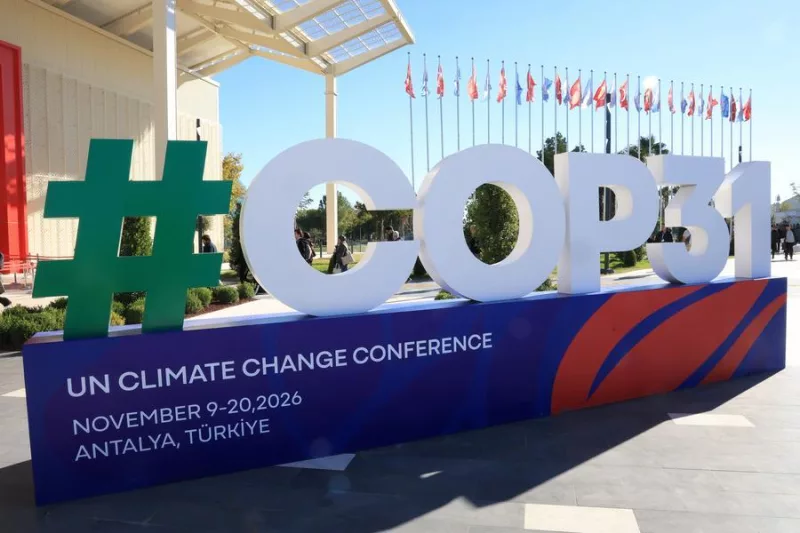
COP31 collapsed in Antalya, Turkey, after disputes over whether any new pact should explicitly mention fossil fuels—long described as the main cause of global warming. The failure reflected both stalled climate diplomacy and a more divided geopolitical environment, with Chris Bowen saying talks faced “unbridgeable red lines.” Turkey’s environment minister Murat Kurum argued governments shouldn’t “get hung up” on a single word. Critics of the Antalya Pact said leaving out fossil fuels would undercut the shift agreed at COP28 in Dubai, where countries backed a transition away from them. Oil-producing nations cited their limited role in historical emissions, while Russia warned that cutting oil and gas supply before demand falls would cause shortages, higher prices and energy poverty. The U.S. also lacked an official delegation, as leaders issued a separate declaration in Shenzhen tied to increased refined petroleum production.
 xCruzo