Britain Tried to Cancel Its Two Aircraft Carriers and Found They Were Cheaper to Build Than to Scrap
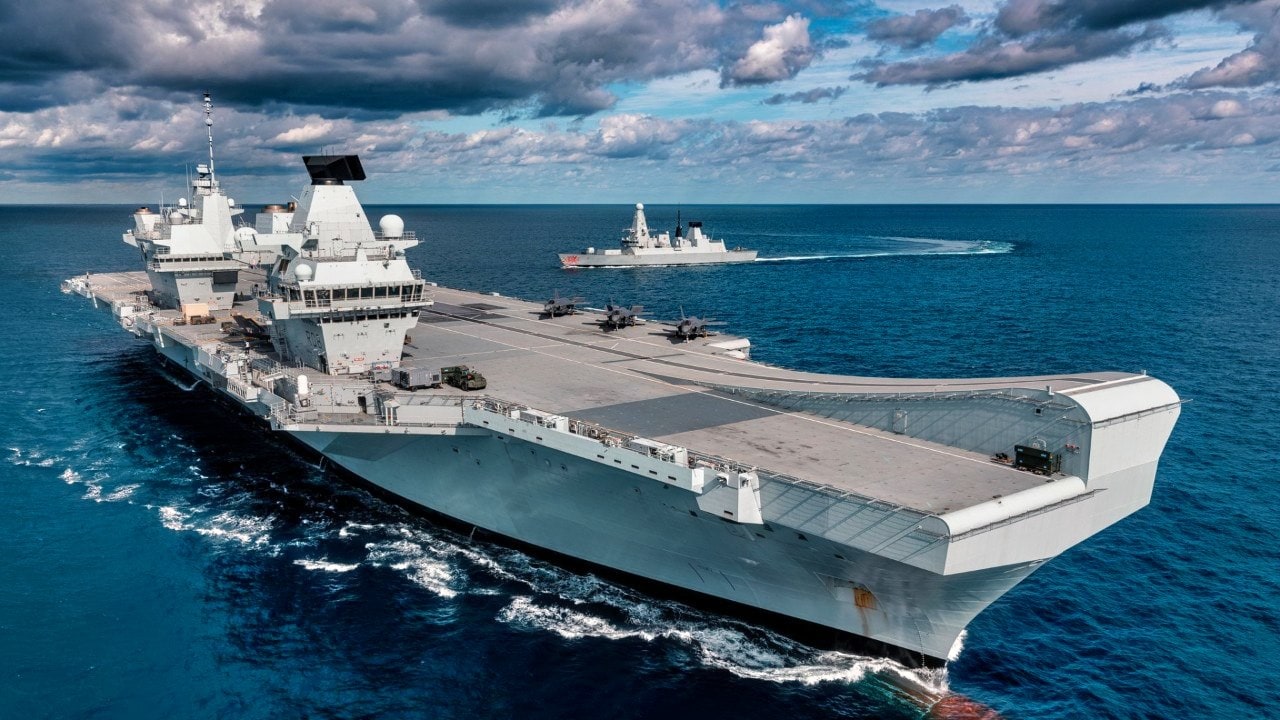
Britain tried to cancel its two aircraft carriers and found they were cheaper to build than to scrap highlights how cost calculations reshaped the Royal Navy’s carrier program. In October 2010, David Cameron presented the defense review after examining cancelling at least one of the two Queen Elizabeth-class aircraft carriers under construction. He told Parliament that canceling the second ship would cost more than building it. The National Audit Office later complicated that claim, estimating that canceling one carrier could still save around £200 million, while canceling both might save about £1.2 billion, despite penalties that could add close to £1 billion in the short term. The article attributes the continued existence of the two 65,000-tonne ships largely to a 15-year Terms of Business Agreement signed in 2009 with BAE Systems, which guaranteed work to sustain British warship building. It explains the carriers’ construction across multiple yards—BAE, Babcock, A&P Tyne, and Cammell Laird—with final assembly at Rosyth due to dock size.
 xCruzo