Why the waltz still rules the world
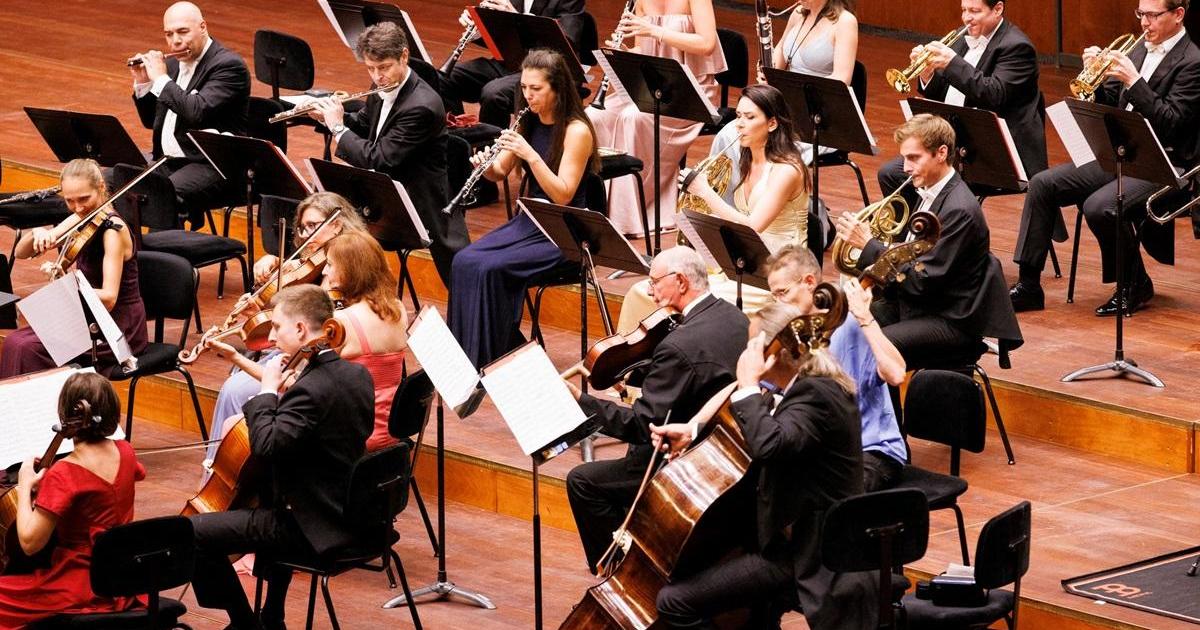
Why the waltz still rules the world explores why Johann Strauss remains a global draw despite being composed more than 150 years ago. The article argues that Strauss offers a universally understood sense of joy, providing immediate warmth that listeners can feel without musical theory. It frames the programme as The Golden Age of Johann Strauss, presenting Vienna in the late 19th century as a “living portrait” through waltzes, polkas, and operetta highlights. It says audiences in Malta can expect a night of Viennese charm that moves beyond a museum presentation into an interactive celebration. The piece also discusses performance style, describing the “Wiener Schmäh,” a subtle rhythmic lilt passed between musicians. Finally, it links interpretation to place, noting the Schloss Schönbrunn Orchestra’s identity shaped by Schönbrunn Palace’s Habsburg history and its links to Mozart and Maria Theresa.
 xCruzo