Five Faces of Fear: How Cancer Patients Cope When War Comes to the Hospital
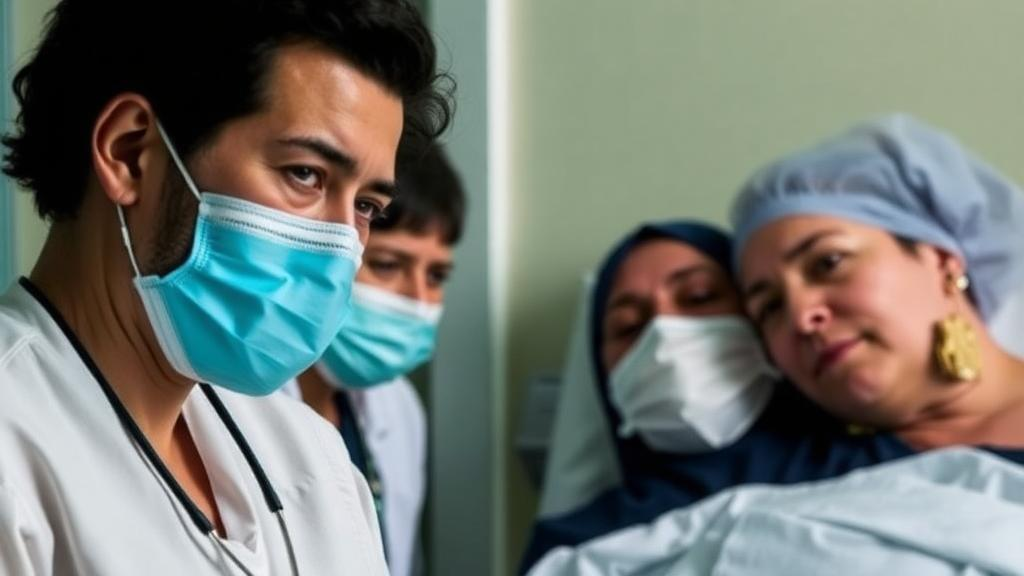
A new study in Supportive Care in Cancer describes how adult oncology patients in Bahrain responded psychologically when cancer treatment coincided with acute regional conflict. After missile strikes in the Gulf in early 2026, researchers at a tertiary cancer center documented five response patterns using frontline psycho-oncology observations rather than retrospective surveys. The work, led by Subathra Jeyaram of the Bahrain Oncology Centre within the Royal Medical Services, argues that standard screening tools may miss the shifting nature of distress during fast-changing security conditions. Patients ranged from an “adaptive/defiant” group that sustained treatment and engagement, to an “overwhelmed” group in which the combined uncertainty of war and diagnosis destabilized coping capacity. The study frames how clinicians can recognize distress dynamics in real time.
 xCruzo


:format(png):quality(99)/f.elconfidencial.com/original/c68/2e4/e38/c682e4e38ca1347a32d671d73f111fd5.png)