Fungal Gene-Editing Breakthrough Yields 3 Novel Anti-Cancer Candidates
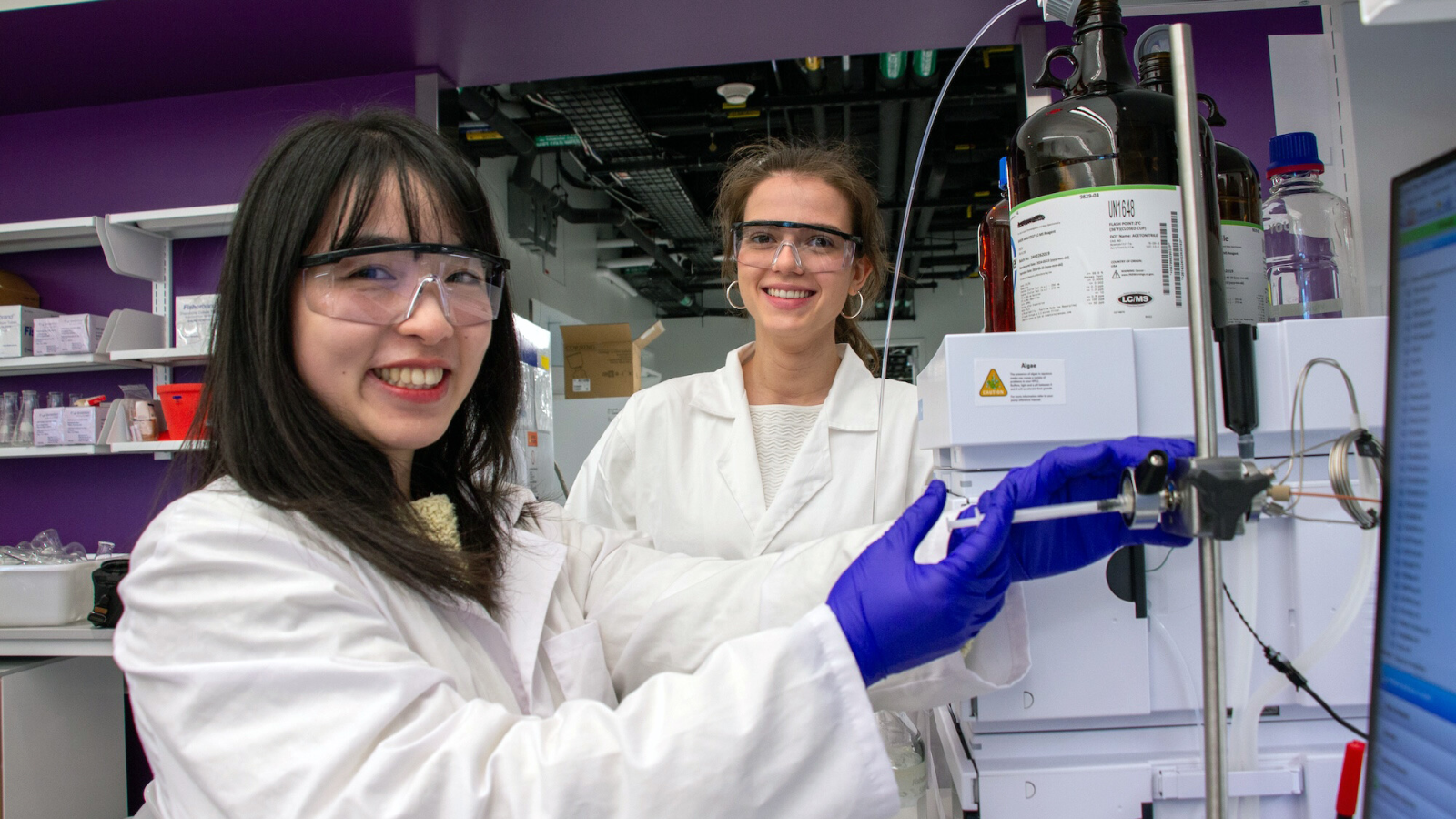
A fungal gene-editing platform reported in Nature Biotechnology aims to unlock anti-cancer molecules by rewriting fungal DNA without traditional double-strand breaks. Developed by Xue “Sherry” Gao and colleagues at the University of Pennsylvania’s School of Engineering and Applied Science, the tool—fPE7max—was published July 2, 2026. The researchers adapted prime editing, a precision method, to filamentous fungi and reported reaching 90% efficiency while generating 18 complex molecules from previously dormant chemical pathways. Eight of the molecules had not been described in the scientific literature. Three candidates showed selective toxicity against cancer cells in laboratory assays, including one active against human breast, hepatic, and leukemia cell lines. The work positions filamentous fungi—long used to derive penicillin, statins, and cyclosporine—as a largely untapped source of pharmaceutical chemistry with gene clusters that often remain inactive in experimental settings.
 xCruzo