How a Swiss lab is finding new cures in old drugs
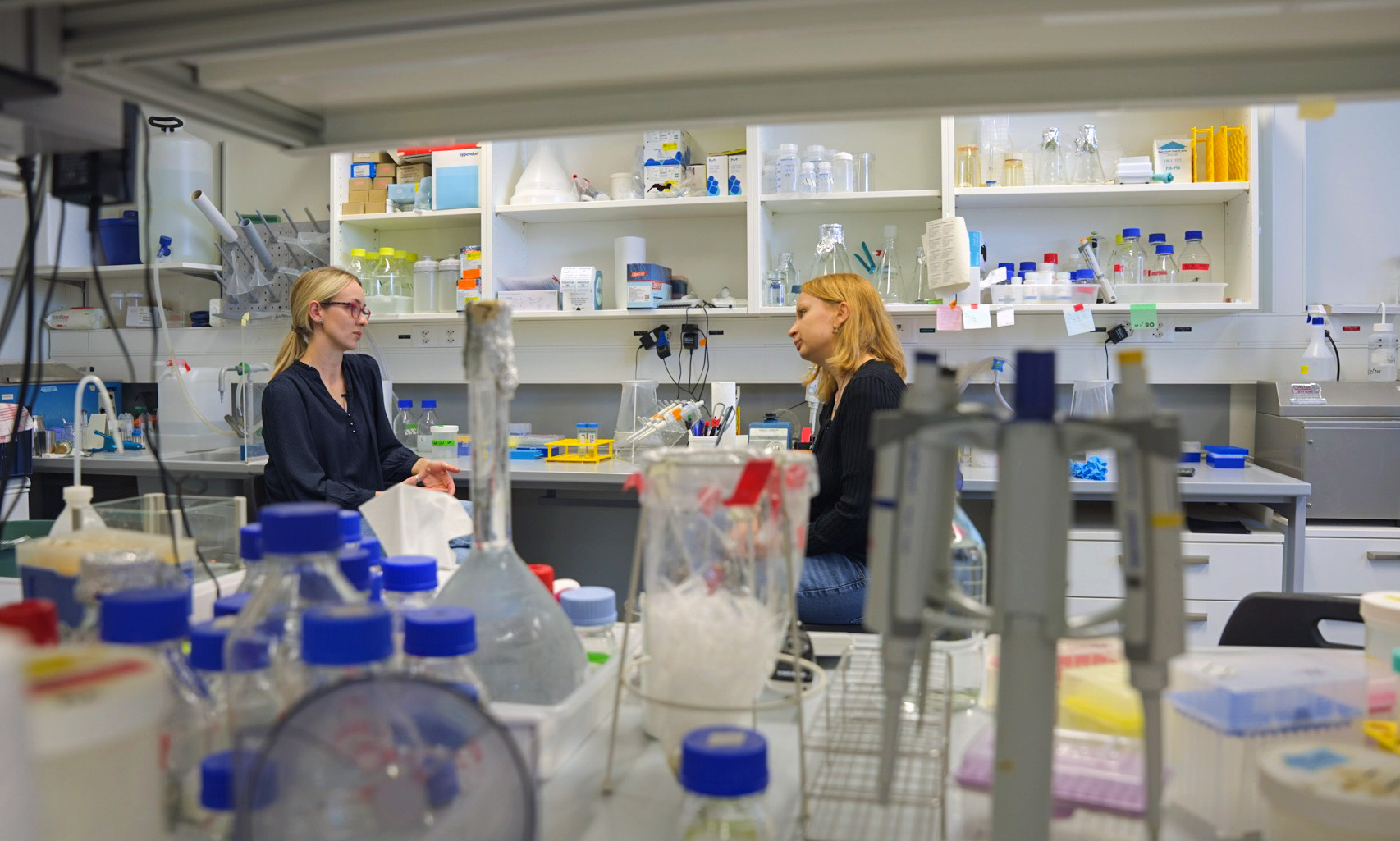
A Swiss laboratory is exploring new treatments for rare neurological disease by repurposing existing drugs, after a breakthrough in zinc-salt therapy. At the University of Geneva, professor Vladimir Katanaev’s lab found that zinc salts—approved in the US in 1997 for Wilson disease—may also treat a life-threatening disorder linked to mutations in the GNAO1 gene. These mutations affect about 400 people globally and can cause seizures, developmental delays, and movement problems. The team received about CHF175,000 ($215,000) from foundations and patient associations to map how the mutations disrupt the Gαo protein by displacing the glutamine 205 amino acid and impairing the “off-switch” GTPase activity. Instead of building a brand-new drug, researchers focused on whether an already approved medicine could restore the dysfunctional protein. The article notes drug development typically costs $1–2 billion (CHF810 million–1.6 billion) over a decade or more, creating barriers for tiny patient populations.
 xCruzo