Learns to Spot Swallowing Disorders Before They Turn Deadly
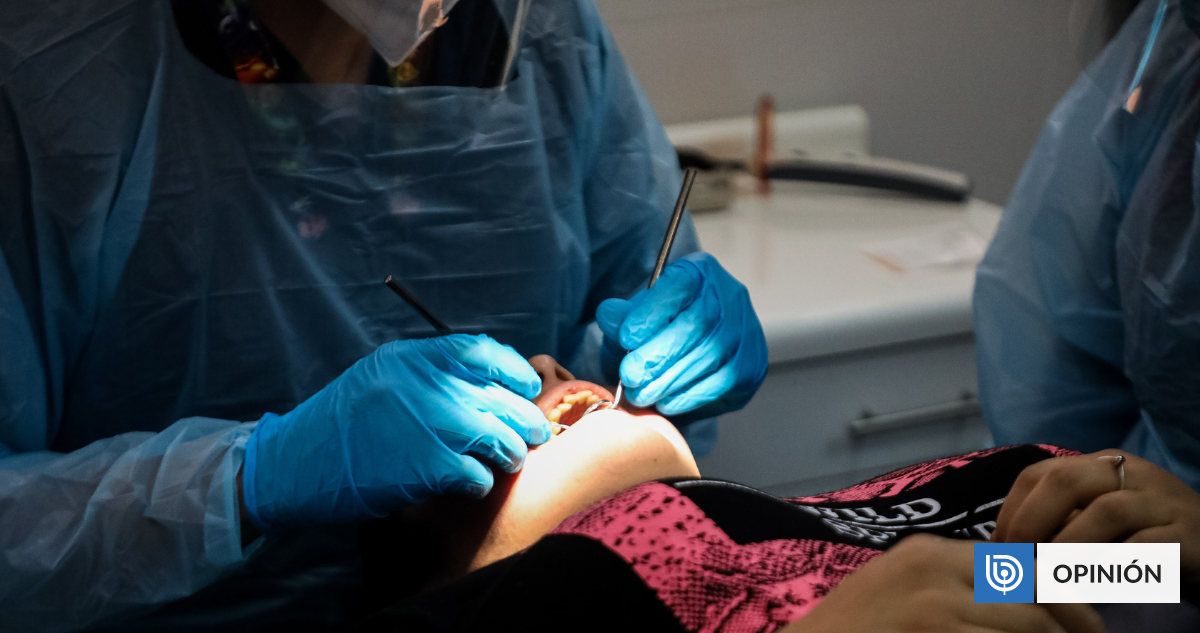
A PLOS Digital Health study led by Rafaela Soares Rech and colleagues in Brazil is testing whether a short questionnaire plus machine learning could flag people at risk of oropharyngeal dysphagia before complications occur. The exploratory cross-sectional diagnostic accuracy study enrolled 465 older adults and adults, with 153 confirmed dysphagia cases. Each participant first underwent assessment by a speech therapist and then videofluoroscopy swallowing studies—the gold-standard imaging test—were used as ground truth. Instead of analyzing images, the model uses 15 quickly collected variables covering personal characteristics, general health, and oral health. Researchers compared eight algorithms, including Naive Bayes, random forests, SVMs, and CNNs. The study suggests accuracy rivaling conventional screening tools.
 xCruzo