How scientists found a weakness in one of the deadliest 'undruggable' cancers
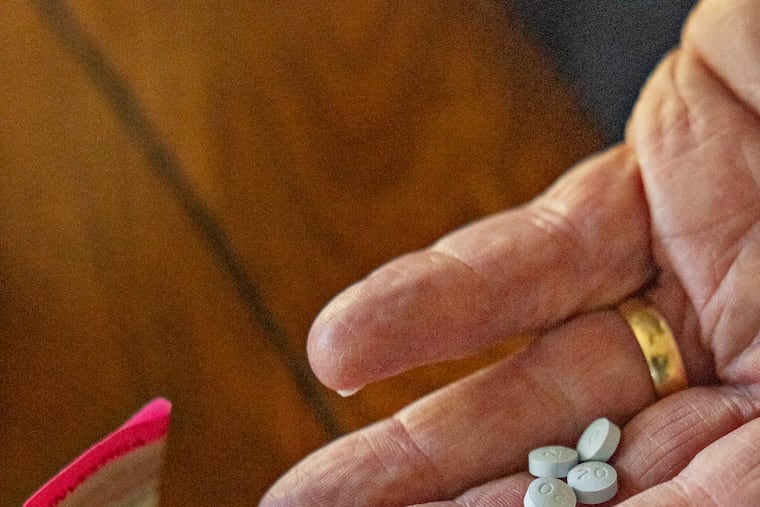
Scientists have identified a vulnerability in pancreatic cancer, long considered one of the deadliest and most difficult cancers to treat. The focus is the KRAS protein, a driver mutated in nearly all pancreatic tumors, which resisted traditional drugging because its surface is smooth. In April, Revolution Medicines reported that its experimental pill, daraxonrasib, produced a median survival of 13 months—roughly double the 6- to 7-month benchmark associated with standard chemotherapy. Regulators have widened access to the drug ahead of full FDA review, and the findings will be presented at the American Society of Clinical Oncology meeting in Chicago next weekend. The report also honors patients like Alyson Luck, who participated in early trial and died in 2025, whose husband Michael Shafrir recalls the year of improved function. Behind the advance is decades of chemistry, beginning with Kevan Shokat of the University of California, San Francisco, who began tackling KRAS in 2008, pushing through repeated failures with support from the Howard Hughes Medical Institute. The work, born of collaboration across academia and biotech, signals the potential to extend KRAS-targeted approaches to lung and colorectal cancers and to drive a broader wave of drug development for previously undruggable targets.