This AI tool promises a 'second pair of eyes' to clinicians. Did patients benefit?

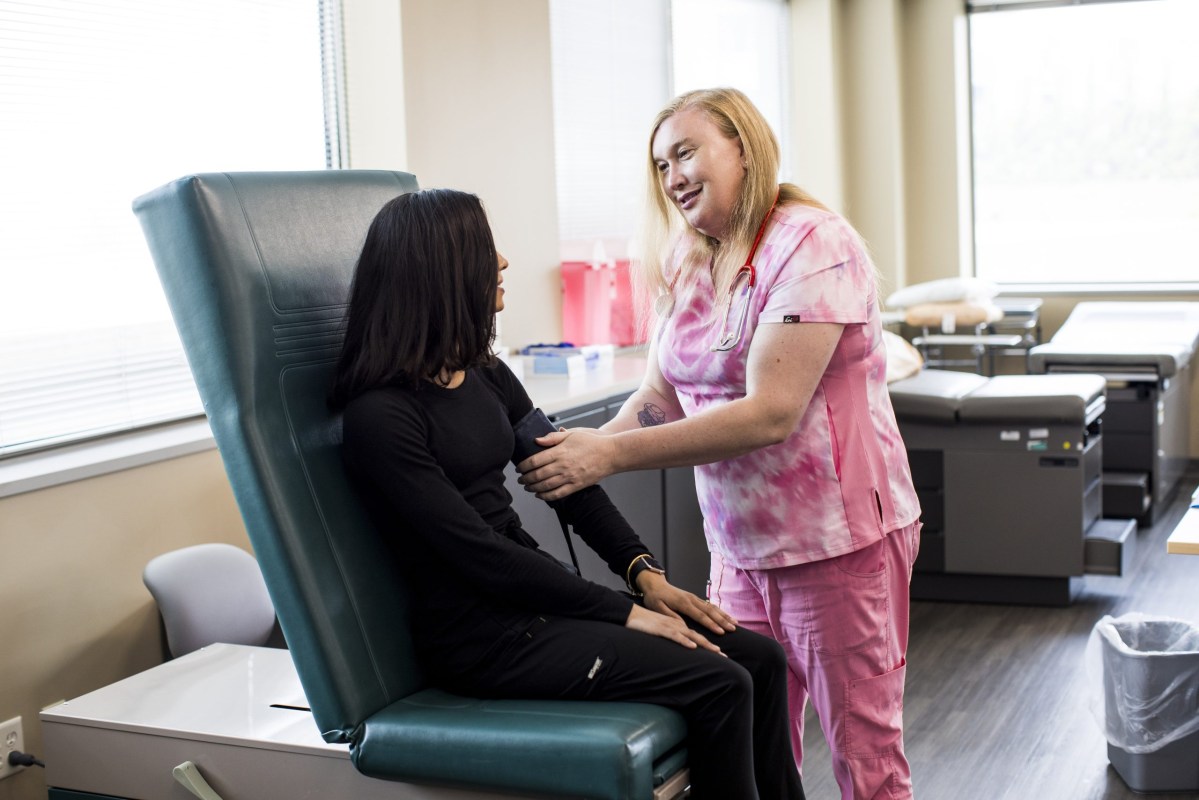
This AI tool promises a “second pair of eyes” for clinicians, and a new randomized study examined whether it actually improved patient care. In Nairobi, Kenya, registered clinical officer Vyonne Njeri used AI Consult while treating a young patient whose heart rate was elevated; the system flagged a concern suggesting a possible congenital heart defect. Njeri referred the child to a specialist, who confirmed the diagnosis and started medications, with surgery potentially needed. Researchers tested AI Consult across nearly 10,000 encounters in 16 Penda Health primary clinics, published in Nature Medicine. Half the clinicians entered notes with OpenAI’s GPT-4o checking in the background, while the control group used note-taking without the tool. An independent panel of six family physicians rated improved diagnoses and treatment plans, but the study did not show statistically significant outcome improvements. Treatment failures fell 23% but were too rare; detecting meaningful effects would require about 139,000 participants. The trial was supported by the Gates Foundation.
 xCruzo

:format(jpeg):quality(70)/https://ecosdiarioscdn.eleco.com.ar/media/2026/07/de_la_mano_de_paredes_boca_se_ilusiona_en_todos_los_frentes.webp)