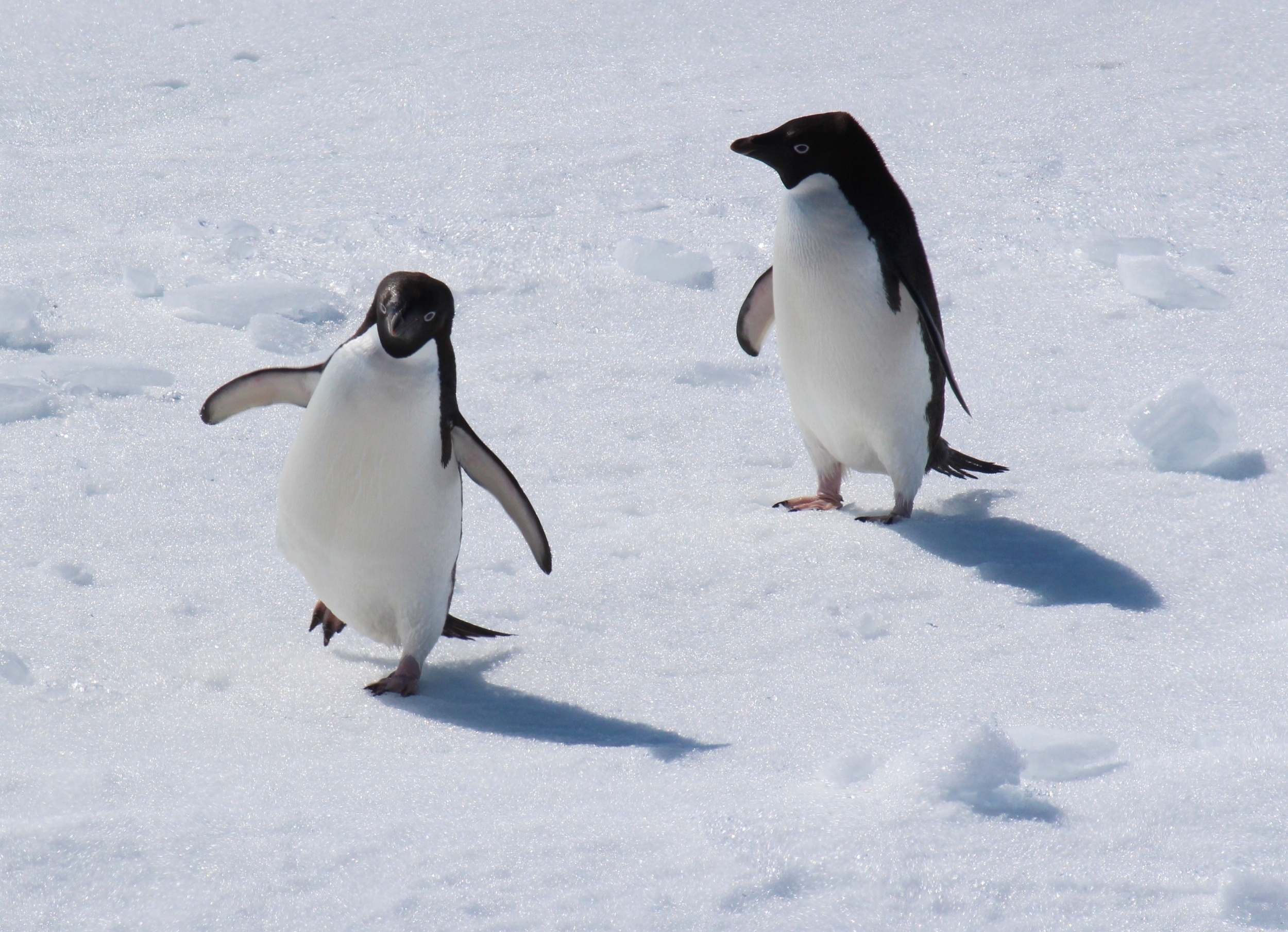
Hungry penguins follow successful neighbors to find food
Penguins rely on memory to pick feeding patches during breeding season, but a new study shows social learning shapes their foraging. Researchers tracked more than a third of a breeding Adélie colony on Antarctica’s coastline, equipping adults with small biologging devices that logged GPS positions and dives across 653 sea trips. The data confirmed that while most returns went to familiar spots, hungry birds were more likely to abandon old haunts and tail a departure-mate to where that neighbor had recently found fish. In one in six trips, the follower fished where a partner had been more successful than bird’s history.
When researchers swapped real travel companions for random colony-mates, the effect vanished, indicating that actual shared departures are required for this social cue to matter. The team, led by Toshitaka Imaki of The Graduate University for Advanced Studies (SOKENDAI), tagged more than a third of the breeding adults and logged both location and prey dives. The resulting pattern suggests the colony functions as a living information board, allowing birds to learn productive areas without blind exploration. The finding adds nuance to longstanding theories about crowding in penguin colonies, where social learning may offset costs like disease and competition.