Mangrove Landscapes Evolve Over Decades, Recovering Naturally Beyond
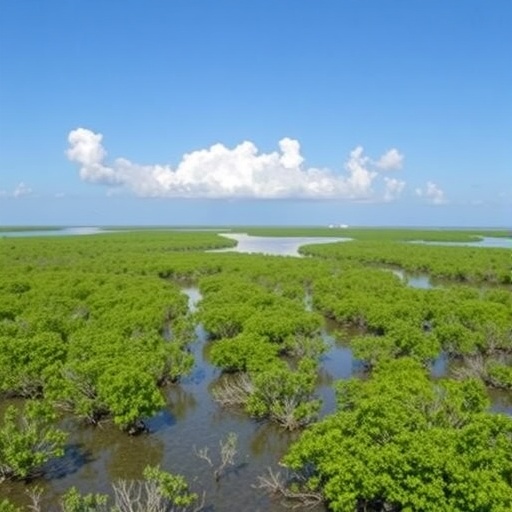
A new study in Communications Earth & Environment says mangrove recovery may be more natural—and geographically broader—than conservation maps suggest. Researchers led by U. Pimple, D. Simonetti and S. Thongdon-um examined how mangrove landscapes evolved over multiple decades, including forests regenerated beyond legal protected boundaries. Mangroves sit in a narrow land-sea zone where tides, sediment, freshwater, storms and people constantly reshape conditions. While roads, aquaculture, ports, agriculture and urban expansion can disrupt tidal flows or remove regeneration conditions, the paper describes how abandoned developments can reconnect tides and allow colonization and structural forest recovery over time. The key point: protection may not be the only path to resilience.
 xCruzo