Physics-informed graph model flags leapfrog tripping risk in simulated PV
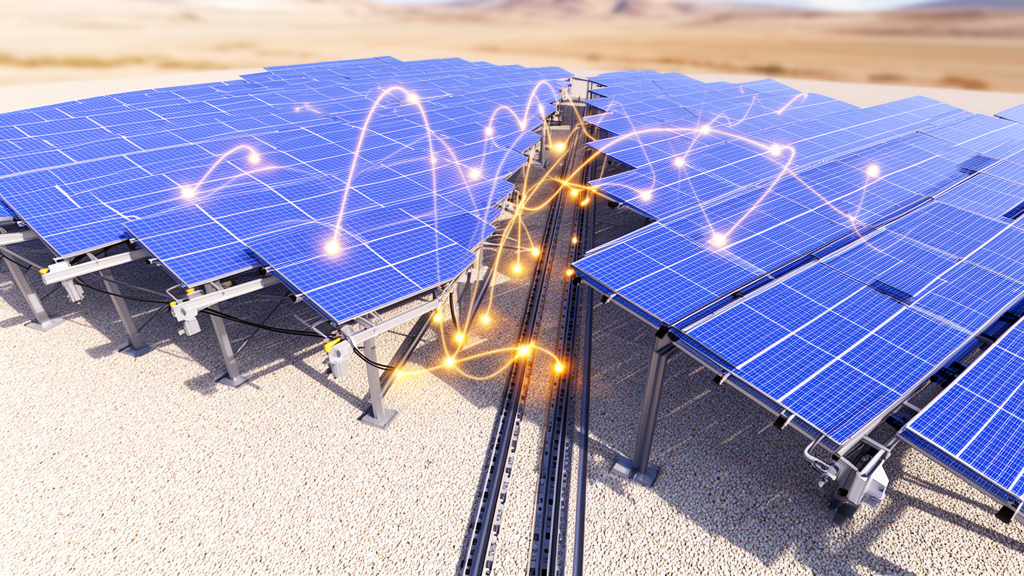
A study reported that a physics-informed spatiotemporal graph neural network (PI-STGNN) detected higher-risk “leapfrog tripping” cascades in simulated photovoltaic (PV) plants more accurately than several deep-learning baselines. Using 500 electromagnetic fault scenarios, the model classified low-, medium- and high-risk collector-line conditions with 0.972 overall accuracy and a macro-averaged F1 score of 0.943 on an independent test set. For the high-risk category, precision reached 0.92 and recall 0.91. The paper models a 100 MW plant, and it has not yet been validated across operating PV facilities. Leapfrog tripping occurs when a fault on one branch triggers upstream protection, disconnecting healthy branches due to inverter behavior and weak fault currents.
 xCruzo