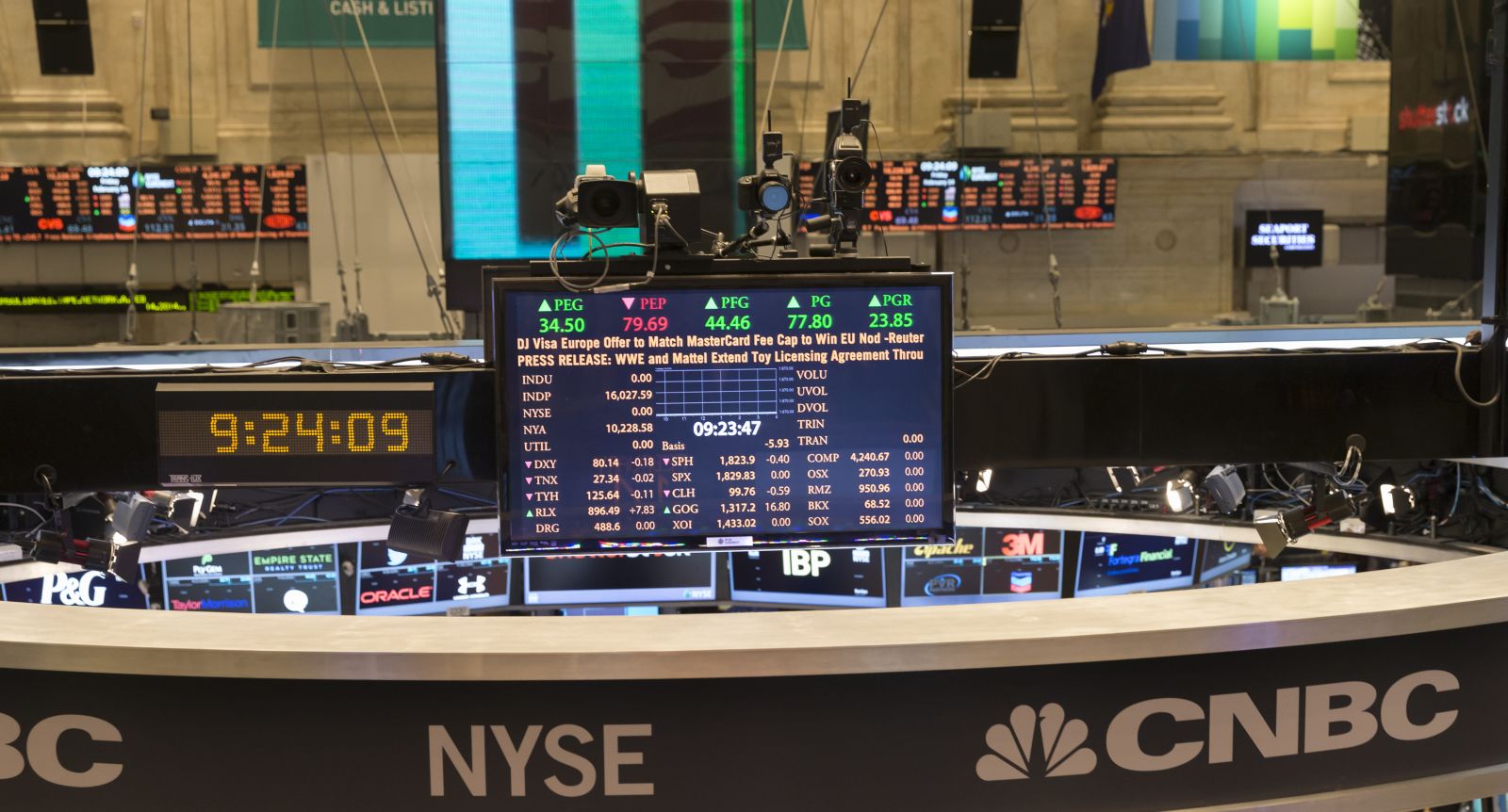
Hormuz Tensions Jolt S&P 500 as Oil Reprices Inflation Risk
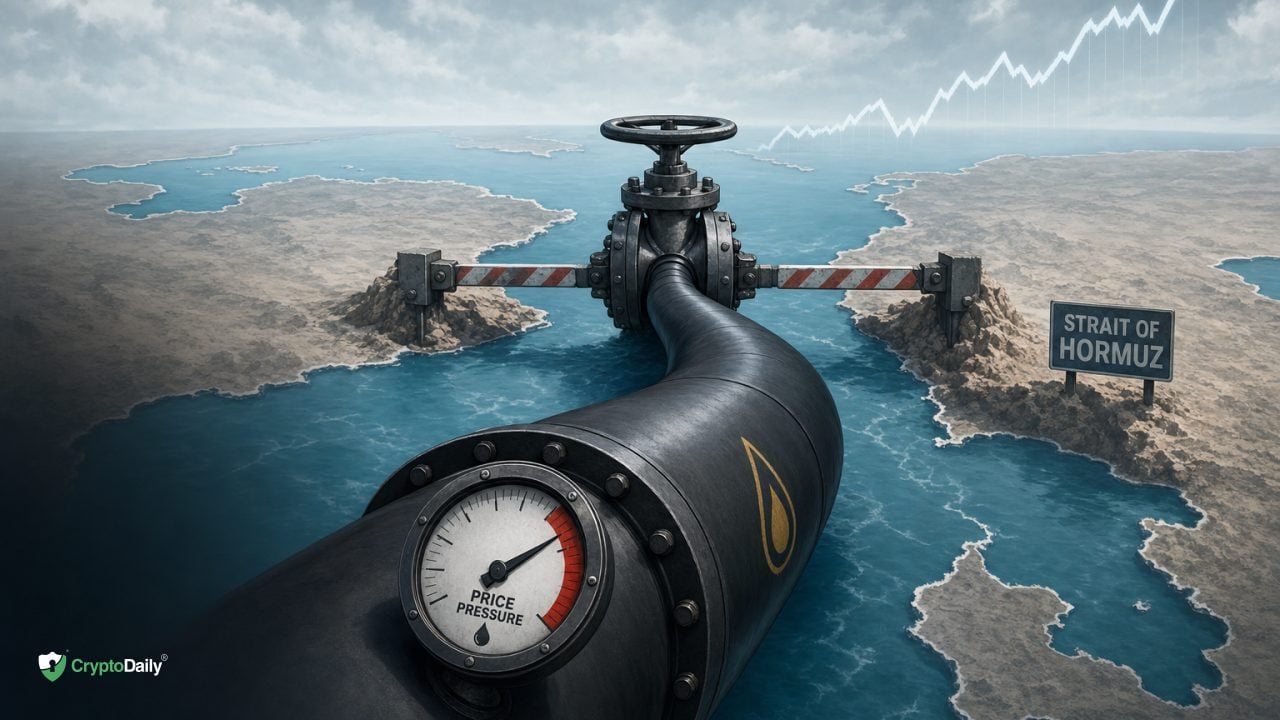
Tensions around the Strait of Hormuz jolted equity markets and raised focus on oil-driven inflation risks, shaking the S&P 500’s outlook. After U.S. Central Command said American forces struck on July 7 in response to Iranian attacks on three commercial vessels, Washington removed a general license that had allowed certain Iranian crude sales and introduced a wind-down period. Brent settled up $2.17 to $74.16 on July 7, with WTI up $1.89 to $70.44, as traders repriced supply risk; subsequent headlines pushed Brent to about $77.98 the following morning. The S&P 500 closed down about 0.45% on July 7 at 7,503.85, with chip stocks leading the decline alongside oil’s jump. The article explains how faster fuel prices can affect CPI headline components like gasoline and later feed into broader freight and goods costs, potentially lifting inflation expectations and slowing rate-cut assumptions. It frames the competitive context as markets priced for smooth disinflation and a “clean landing,” while oil spikes increase uncertainty.
 xCruzo