How climate change is causing 'the gentrification of seafood'
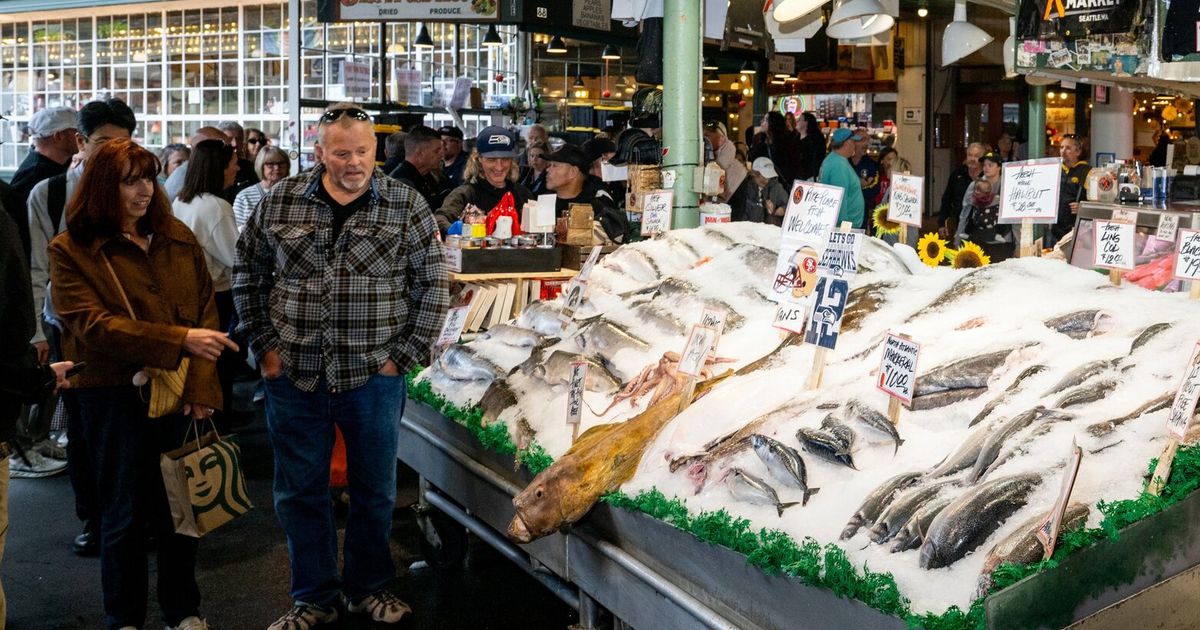
Warmer summers and shifting marine conditions are reshaping seafood supply across the Pacific Northwest, the article reports, including what people can afford and what can be safely harvested. David Leck of Elliott’s Oyster House, who grew up collecting oysters from Hood Canal beaches, says oysters once seemed abundant but are now scarce and pricier. As harvest seasons shrink, the higher cost of buying from restaurants and farmers who test for hazards is reflected in prices: oysters rising from about $1 each to $4.50. The piece cites major disruptions tied to climate-related events, including Bristol Bay’s marine heat wave contributing to a crash in red king crab populations, with prices reaching $150–$160 per pound. Alaska’s Copper River king salmon have fallen for nearly 20 years, and a single 25-pound fish has cost about $2,000.
 xCruzo





:max_bytes(150000):strip_icc()/paperairplane-56a128df3df78cf77267f189.jpg)