How Wall Street analysts think the midterms could affect the stock market
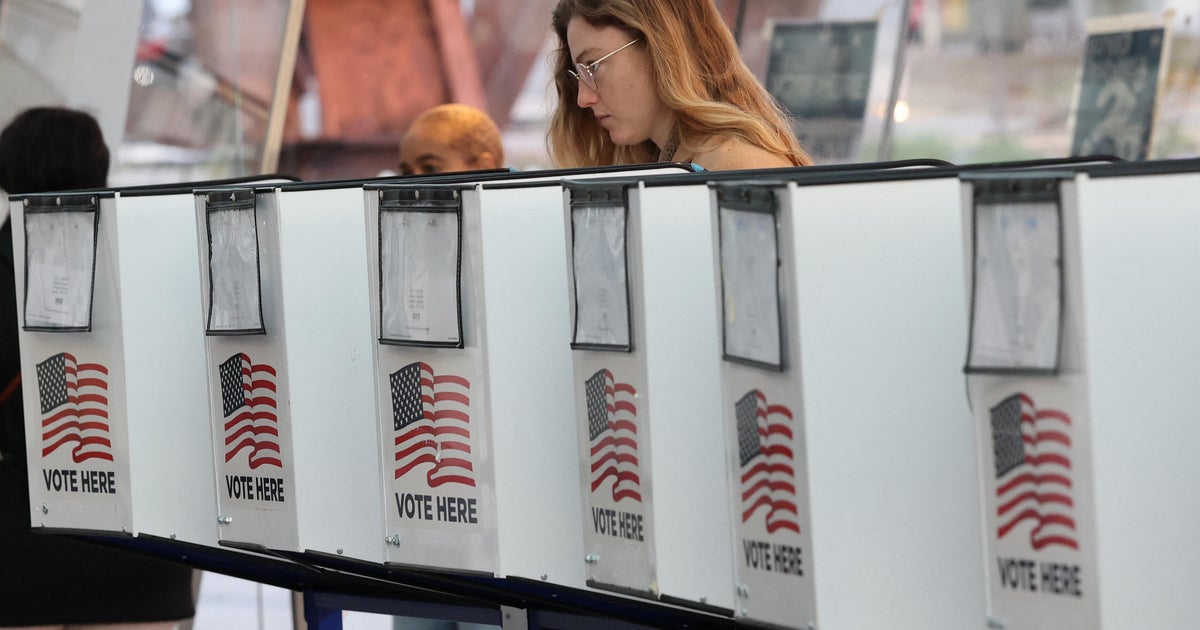
Midterm elections could reshuffle Congress amid persistent inflation, high energy prices and rising fiscal debt—while also shaping how investors position for market volatility. Edward Jones data shows the S&P 500 rose an average of 1.7% in the month after each of the last 14 midterm races dating to 1970, and returned an average of 15.5% over the six months after elections. Analysts say volatility around the vote is possible, but markets have often performed well in the following year as political uncertainty fades. With divided government, gridlock could limit sweeping tax and spending changes, though debt standoffs may worry bond investors as Treasury yields rise. Analysts also flag the role of President Trump’s executive actions and regulatory decisions if Democrats win control.
 xCruzo