Canada's UNESCO Sites Hold Most of Its Species and a Quarter of Its
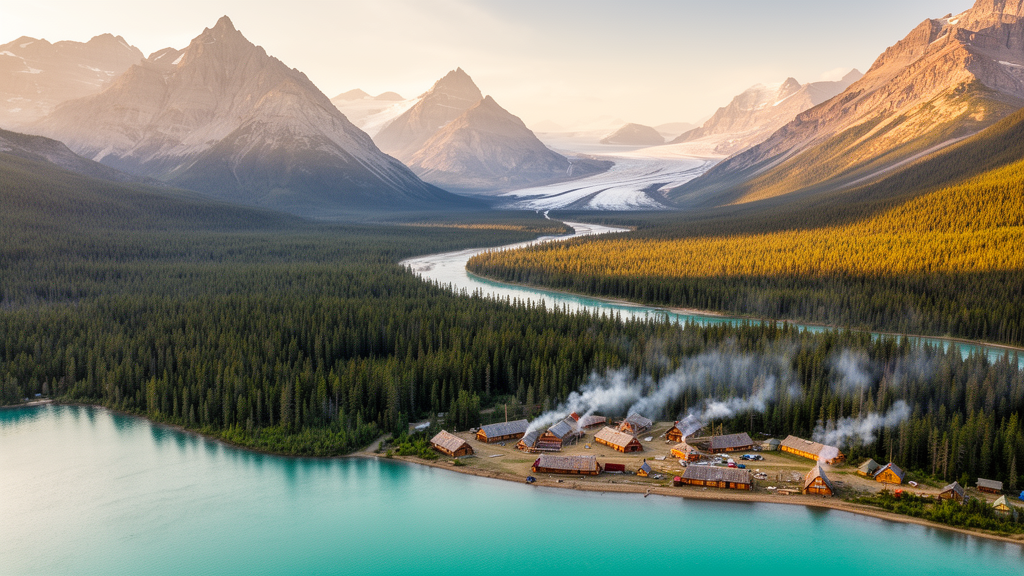
A new spatial analysis of Canada’s protected areas finds a strong overlap between its biological and cultural assets. Published in Discover Conservation, the study examined 35 UNESCO-designated sites, including Natural World Heritage Sites, Biosphere Reserves and Global Geoparks. Although the sites cover less than 5% of Canada’s land area, they overlap the geographic ranges of nearly 90% of the country’s amphibians, birds, terrestrial mammals, plants, reptiles and selected freshwater species, and the territories of more than a quarter of its Indigenous languages. Researchers say the results point to a biocultural conservation strategy: protecting shared space could deliver benefits for both nature and language. The analysis combined GIS boundaries of UNESCO sites with species range data and language territories from Ethnologue.
 xCruzo