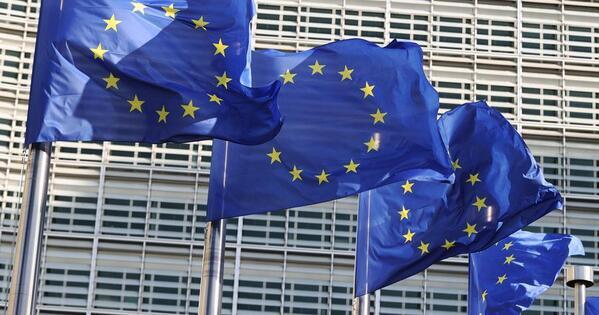
Lengthy disputes over Russia, budget expose EU's strategic fault lines
The EU summit in Brussels ended with leaders divided over Russia policy and the bloc’s 2-trillion-euro budget framework, with several key elements postponed for further talks. The dispute over Russia highlights divergent national interests and strategic views that analysts say could weaken Europe’s influence in any future peace process involving Moscow and Kyiv. European Council President Antonio Costa said he would open a diplomatic channel with Moscow through his office, prompting mixed reactions among members. Analysts cited varied historical experiences and geographic realities across EU members as roots of the rifts, with Germany favoring a limited E3 format while others resist centralized diplomacy. A short-term commitment to support Ukraine remains, but fractures threaten a cohesive European role in long-term settlement efforts.
The discussions also reflect tensions between NATO reliance and varied threat perceptions within the union, suggesting the bloc will continue to navigate complex strategic fault lines as it pursues a unified foreign policy.