Saint, sinner or feminist icon: Mary Magdalene through time
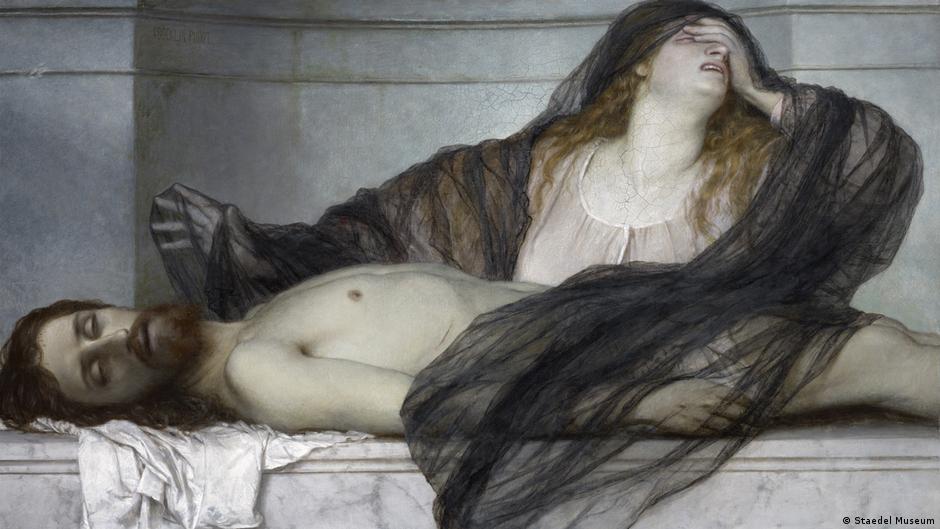
A new exhibition, “Mary Magdalene: Sin. Pray. Love,” at Frankfurt’s Städel Museum revisits how Mary Magdalene’s identity has been repeatedly rewritten in art and history—long after the limited accounts in the Bible. The show traces portrayals from early Christian interpretations through the Renaissance and Baroque, citing works by Titian, El Greco and Georges de la Tour, and later interpretations by Rembrandt and Max Beckmann. It highlights the role of Pope Gregory the Great, who around 600 AD merged Magdalene with other women mentioned in the Gospels, including an unnamed “sinner,” shaping her reputation as a penitent prostitute despite “no evidence in the Bible,” per the curator Bastian Eclercy. The exhibition also covers the long-running relic legend placing her remains in France, claimed by Vezelay and Saint-Maximin-la-Sainte-Baume, and notes shifting views after the Reformation and the Second Vatican Council.
 xCruzo





:format(jpg):quality(99)/f.elconfidencial.com/original/f1c/142/030/f1c1420308de897dbcfdfc2cb216b48a.jpg)