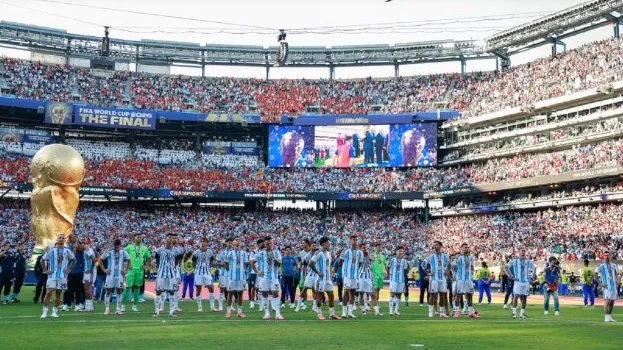
World Cup 2026: Expansion, Profit and the Price of Access An Economic Reading of Football's Biggest Tournament and the Growing Debate Over Fairness and Inclusion

World Cup 2026 is set to be the biggest tournament ever, but the article examines who can afford access as much as on-field expansion. The 2026 FIFA World Cup began June 11 across the United States, Canada, and Mexico, becoming the first hosted jointly by three nations and the first with 48 teams. It features 104 matches and is projected to deliver nearly $13 billion in revenue, including about $8.9 billion during tournament year. Broadcasting rights are estimated at roughly $4 billion, up around 34% from Qatar 2022, while ticket sales are expected to exceed $3 billion. The winner is set to receive $50 million, and each participating federation is guaranteed at least $12.5 million, though the article notes many smaller associations face costs that can exceed $20 million. A key controversy highlighted is dynamic pricing, with early “entry-level” tickets around $21 in some cases, but average group-stage prices in cities like Miami and Los Angeles often above $1,000.
 xCruzo