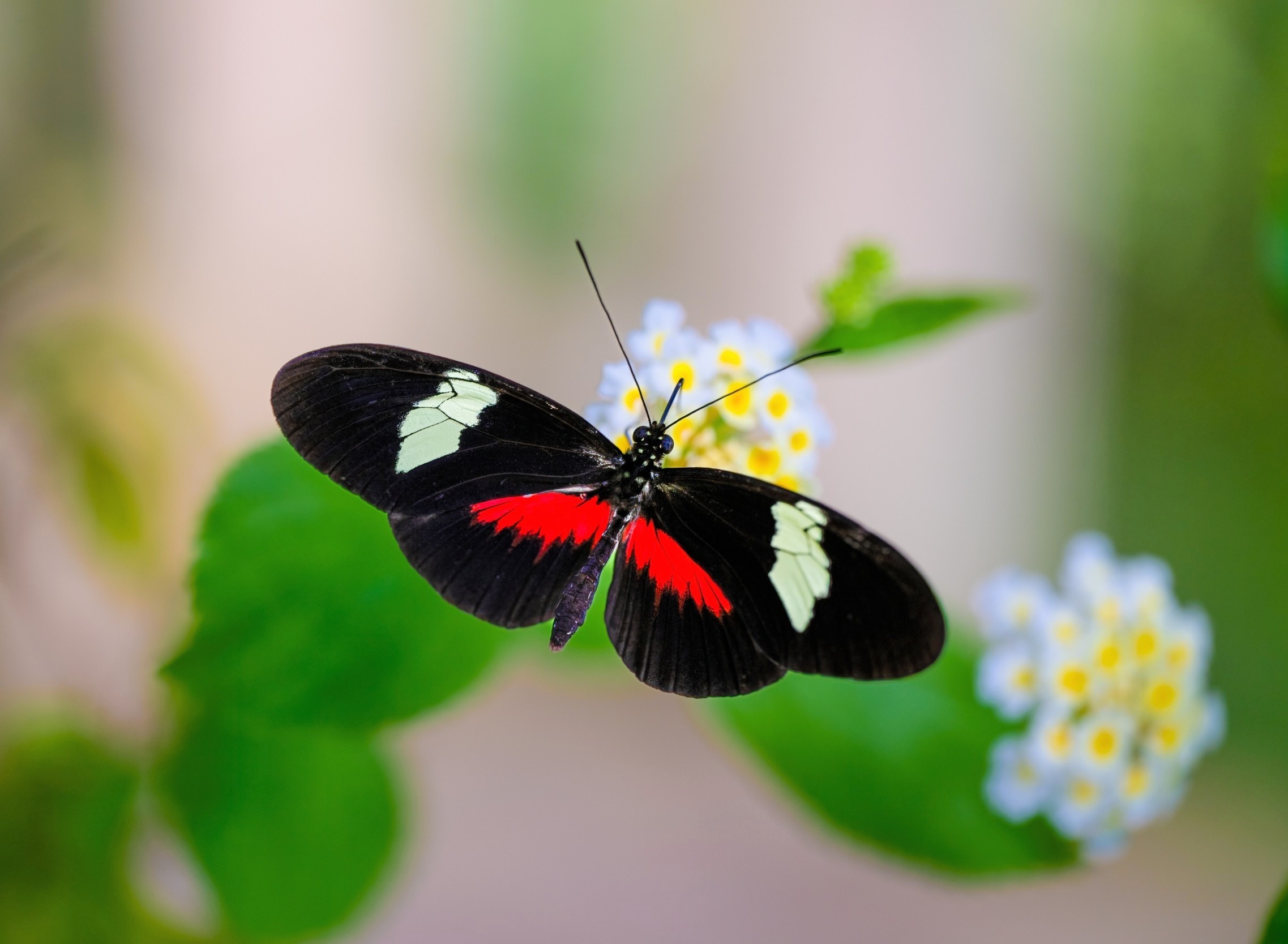
Butterflies that live for a year appear to resist aging
Butterflies that live for a year reveal a striking deviation from typical aging patterns among butterflies. The Heliconius group, studied by Jessica Foley and colleagues from the University of Bristol and Smithsonian Tropical Research Institute, shows lifespans averaging about three times longer than close relatives. The longest-lived among them, Heliconius hewitsoni, reached 348 days, while Dione juno lived as little as 14 days, a 25-fold gap. Remarkably, several Heliconius species also displayed slower aging and lower baseline mortality across the group. In a key physical test, grip strength did not decline with age in Heliconius hecale, contrasting with age-related decline seen in Dryas iulia. Researchers used data from butterfly houses, mark-release-recapture studies and controlled insectaries to compare lifespan and aging across Heliconiini and propose pollen-based diet as a potential contributor to delayed aging.