Euclid telescope spots oldest quasars ever discovered, adding to "perplexing" space mystery
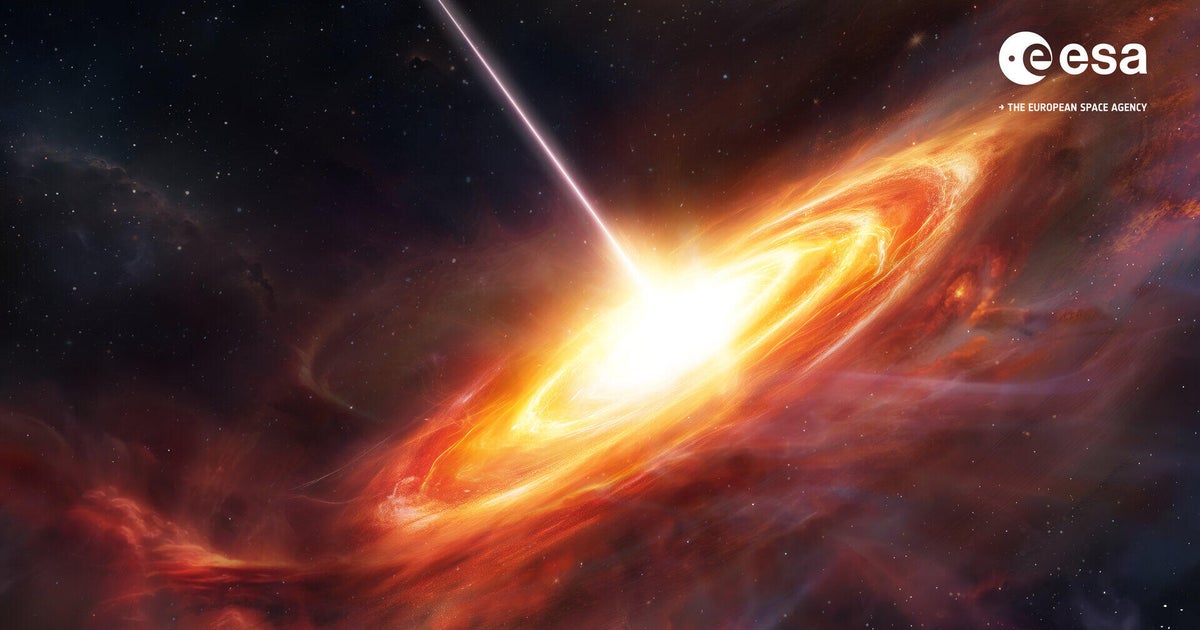
The Euclid space telescope has spotted the oldest quasars ever discovered, adding to a long-running mystery about how massive early galaxies formed so quickly. In a study published Monday, an international team reported finding 31 quasars using Euclid, including the two oldest observed to date. The telescope sits about 1.5 million kilometers from Earth and revealed that the light from the oldest pair was emitted when the universe was roughly 670 million years old, about 5% of its current 13.8 billion-year age. That surpasses the team’s 2021 record by around 20 million years and doubles the number of ancient quasars known in just two years. Quasars are powered by supermassive black holes and are tied to the epoch of reionization. The discovery also intensifies the “perplexing” puzzle that such “monsters” existed at infancy, with scientists now seeking even older examples using instruments like James Webb.
 xCruzo