Star's Pre-Death Mass Loss Choked Its Own Gamma-Ray Burst: SN 2026gzf Shock Breakout Mapped
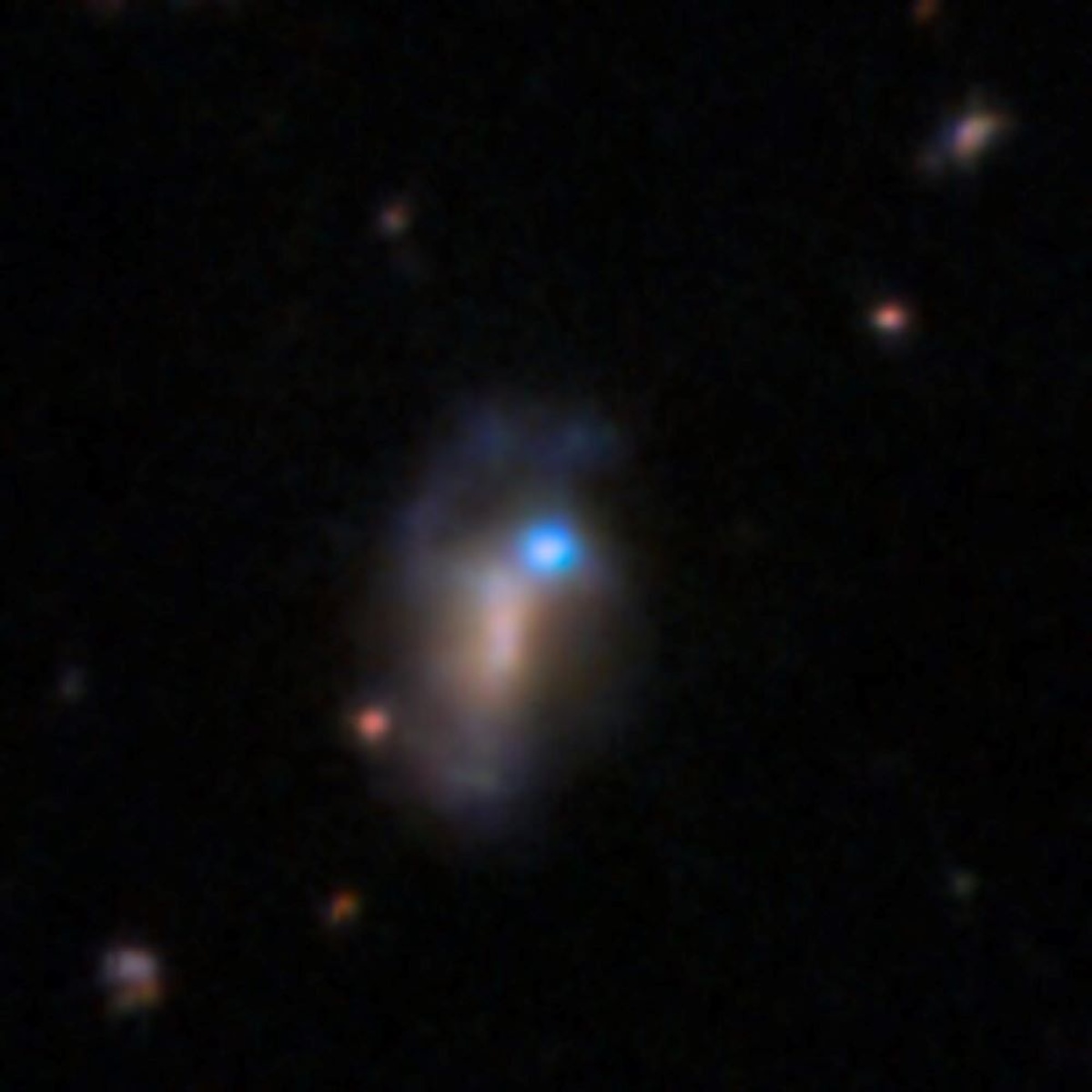
Astronomers have mapped, for only the second time in more than two decades, the earliest light from a dying star—using the Einstein Probe wide-field X-ray telescope. On March 21, 2026, the instrument detected a seven-minute burst of soft X-rays, leading to findings about SN 2026gzf, a supernova about 515 million light-years away. Published August 5, 2026, in The Astrophysical Journal Letters, the study describes SN 2026gzf as the first stripped massive star whose pre-death environment has been mapped, showing that turbulent mass loss before collapse built material that later strangled a would-be gamma-ray burst. The star exploded in a metal-poor environment (about 15% to 20% of the Sun’s metallicity), yet no GRB occurred, suggesting metallicity wasn’t decisive.
 xCruzo