System could save lives by predicting how modern house fires spread
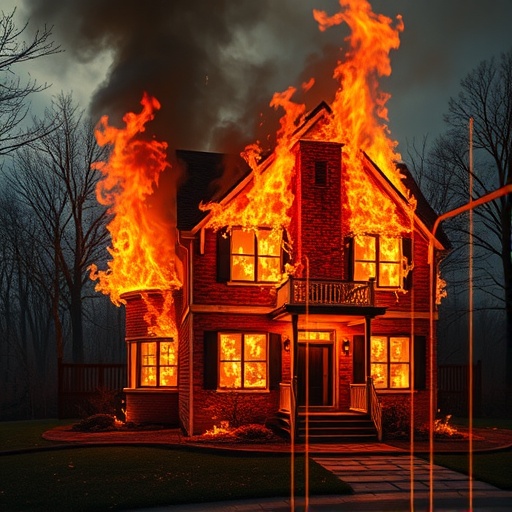
A University of Waterloo research team is using artificial intelligence, data science, and advanced mathematics to better predict how modern house fires develop—work aimed at improving evacuation systems and firefighter decision-making during rapidly changing conditions. The study addresses how today’s homes can be more airtight and rely on synthetic foams, fabrics, and polymers that burn differently than traditional wood and natural fibers. In limited-ventilation situations, the team says the fire chemistry can shift faster than conventional models anticipate. Researchers set off 15 controlled fires in a burn house equipped with up to 175 sensors measuring variables such as temperature, airflow, humidity, burn rate, and gas concentrations. The team built a framework combining statistical modeling and machine learning to detect key transitions, including when a fire begins under-ventilating and producing more dangerous toxic smoke.
 xCruzo