New Scale Measures How Prepared Children Feel Psychologically for Typhoons
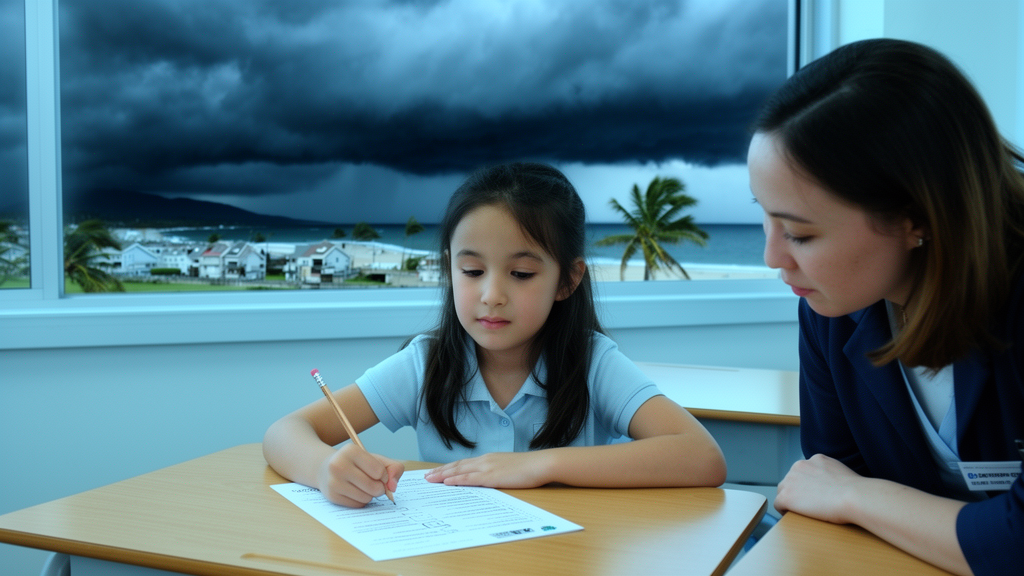
A team in Japan has developed what it says is the first validated measurement tool for psychological preparedness in children facing typhoons, along with a classroom program to teach it. Published in BMC Psychology, the research targets a gap in disaster education that has often relied on fear-based messaging. Psychological preparedness refers to a child’s ability to anticipate emotional reactions to disaster, plan coping strategies in advance, and regulate fear, anxiety, and confusion so they can act deliberately. Led by Takahiro Kubo of Yokohama National University with collaborators from Nagoya, Kyoto, and Ochanomizu universities, the study created the Child Version of the Psychological Preparedness for Disaster Threat Scale (C-PPDTS). After removing one redundant item, 23 items formed an essentially unidimensional structure.
 xCruzo