Second Child, Bigger Pay Gap: How Births Reshape Wages in China
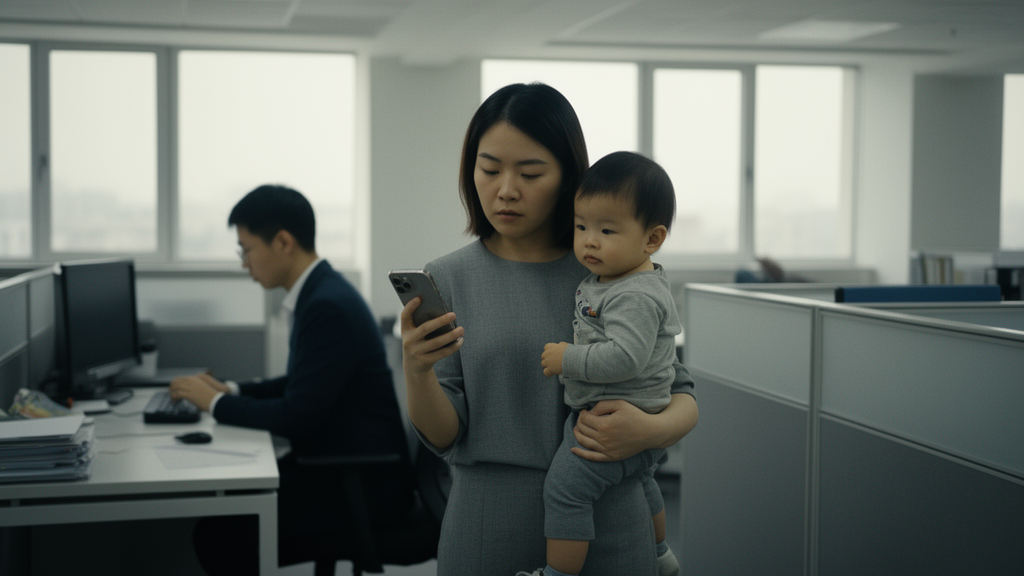
A new study published in Frontiers in Sociology examines how consecutive births affect wages among Chinese urban workers, widening the gap between men and women. Using four waves of the China Household Finance Survey from 2013, 2015, 2017 and 2019, researchers led by Chong Guo of Suzhou Vocational University analyze 38,174 observations for women aged 20 to 55 and men aged 22 to 60. After a first birth, women’s annual wages fall about 10.95%, while men’s rise by about 4.92%. The divergence intensifies after a second child: mothers’ wages drop roughly 19.18%, while fathers’ increase about 12.75%. The authors adjust for staggered timing with a difference-in-differences approach using Callaway and Sant’Anna’s group-time estimator, plus event-study and selection corrections.
 xCruzo
/origin-imgresizer.eurosport.com/2026/10/16/image-ae701a54-e12d-47e8-b987-734921044e53-85-2560-1440.jpeg)