What is Memorial Day and how has it evolved from its Civil War origins?
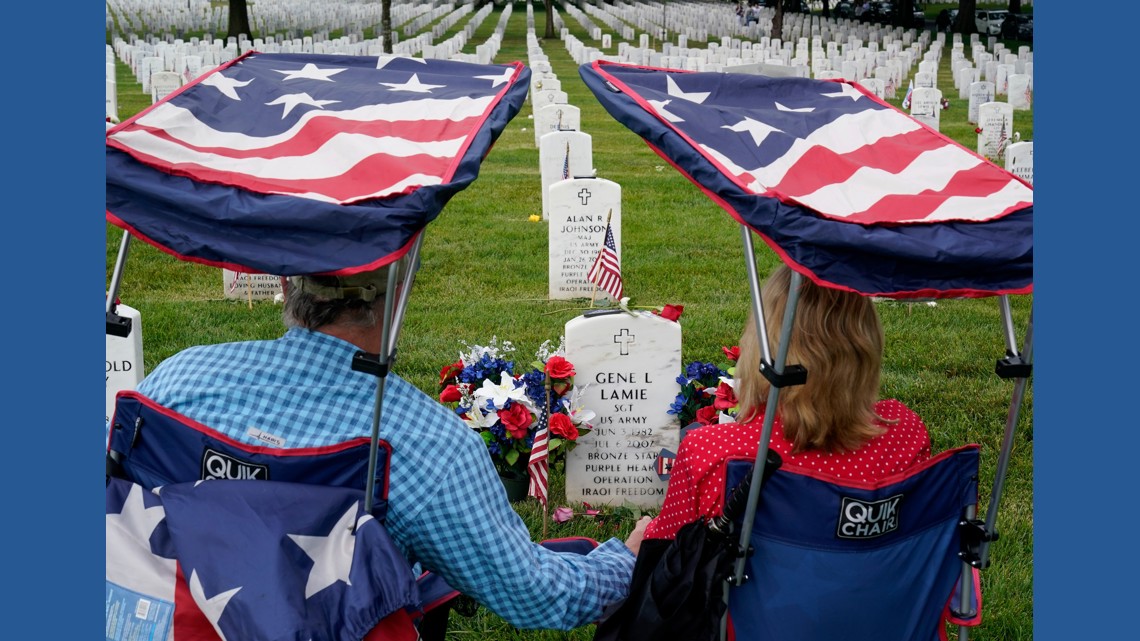
Memorial Day is a U.S. holiday dedicated to mourning those who died serving in the military, with the National Moment of Remembrance urging a 3 p.m. moment of silence. The holiday’s origins lie in the Civil War, which killed more than 600,000 service members, and the first national observance, then called Decoration Day, occurred on May 30, 1868. The birthplace of this tradition is debated: Waterloo, New York, which formally observed it in 1866, and Boalsburg, Pennsylvania, traced to October 1864. Historians cite Charleston, South Carolina, where in 1865 thousands gathered to dedicate graves, including Black citizens, a reminder of the war’s lasting legacy. Over time Memorial Day broadened into a long weekend that marks the unofficial start of summer, while debates about memory and meaning have persisted. The article notes that roughly 180,000 Black men served in the Union Army, challenging a monolithic memory of the war. It also recounts concerns that the holiday sometimes became a predominantly white observance, especially in the Jim Crow era, and cites Frederick Douglass’s 1871 Arlington speech urging Americans to remember slavery’s central role. The piece closes by highlighting the National Moment of Remembrance and the ongoing effort to balance solemn remembrance with the holiday’s evolving public rituals.
 xCruzo




:max_bytes(150000):strip_icc()/GettyImages-953412214-a39abc083dfc4f16aa52af2a1b56ae69.jpg)