
This guide is the same in all 50 states See the US rule →
Pre-purchase inspection: what they check, what it costs and how to choose the mechanic
Between $100 and $250 that can save you thousands. What a good inspection includes and how to read the result.
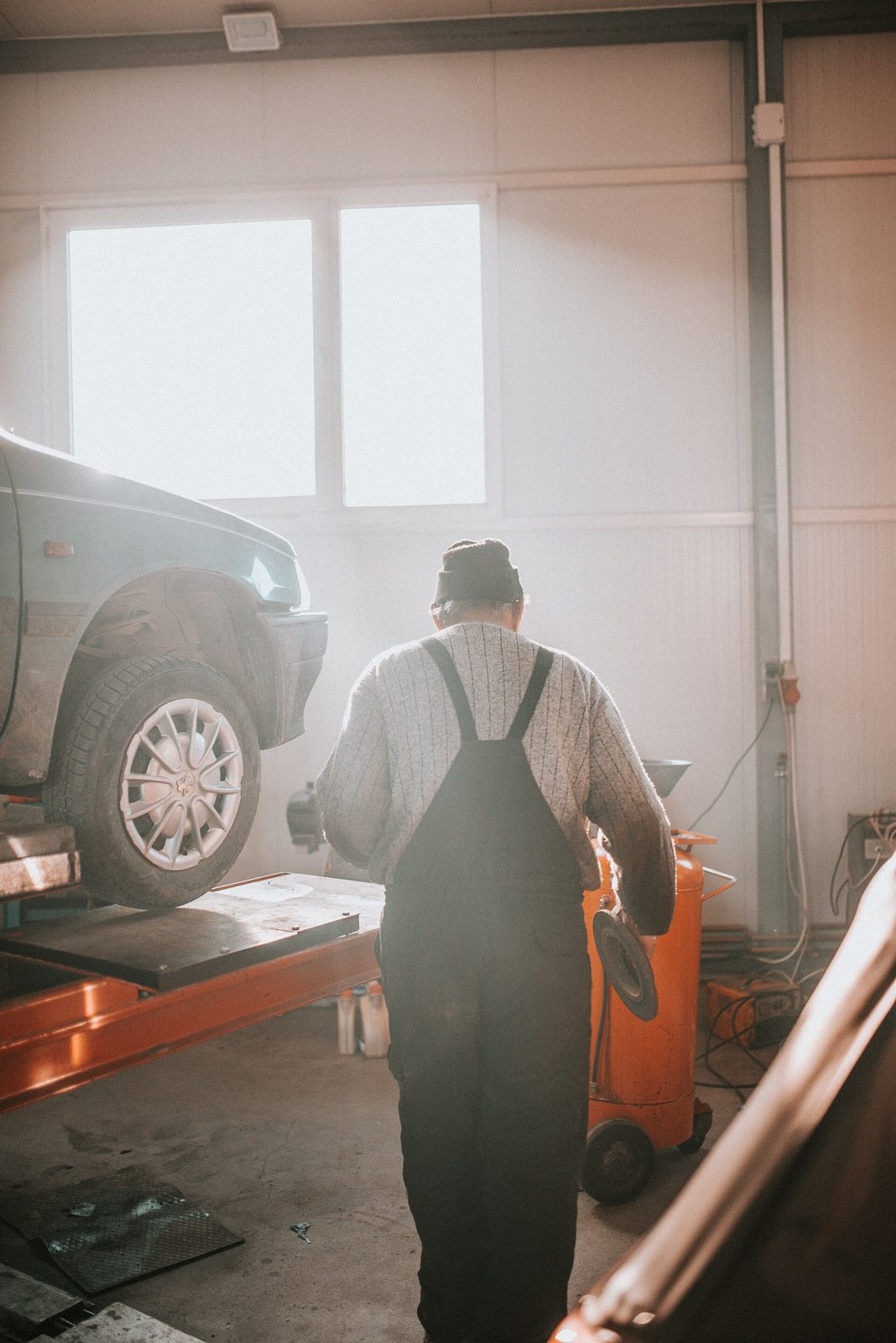
A pre-purchase inspection (PPI) is an hour of an independent mechanic checking the car you want to buy, before you pay for it. Not the seller, not a friend of the seller. You arrange it, with someone who gains nothing whether you buy or not.
What it costs and how long it takes
In most US cities, between $100 and $250 for a general inspection of 60 to 90 minutes. A full electronic diagnosis or a specialist check (hybrids, EVs, European cars) can reach $300–$400. Mobile mechanics come to the lot for a similar fee plus travel.
What it must include
| Area | What is checked | What it uncovers |
|---|---|---|
| OBD-II scanner | Active and cleared fault codes, emissions monitors "ready" or not. | A code just cleared to hide a fault. If monitors are "not ready," someone disconnected the battery or cleared codes recently. |
| Engine | Leaks, noises, smoke, belts, hoses, mounts. | Expensive repairs coming: head gasket, timing chain, oil leaks. |
| Transmission | Fluid level and color, shifts on the test drive, noises. | A slipping transmission costs more than many used cars. |
| Frame and suspension | On the lift: shocks, bushings, ball joints, leaks, rust, welds. | Botched crash repairs, bent frame, parts from another car. |
| Brakes and tires | Pad and rotor thickness, tire DOT date, even wear. | An immediate $400–$1,200 expense that should come off the price. |
| Body | Paint-thickness gauge, panel gaps, overspray, disturbed bolts. | Repainted or replaced panels the history doesn't show. |
| Electrical and flood | Corroded connectors, wiring under seats, modules, moisture. | Water damage that isn't on the title. |
| Air conditioning | Vent temperature, compressor noise, leaks. | An A/C repair can exceed $1,000. |
| Hybrids and EVs | High-voltage battery state of health. | The most expensive part of the car; its degradation is invisible to the eye. |
How to choose the mechanic
- Independent of the seller. Never the "friendly" shop the dealer recommends.
- Experienced with that brand. A Japanese-car specialist and a German-car specialist look at different things.
- ASE certified or a Blue Seal shop. It doesn't guarantee everything, but it filters.
- Delivers a written report with photos and cost estimates. "It's fine" is not a report.
- Speaks your language. You are making a decision worth thousands on what they tell you; understand all of it.
How to read the result
No used car comes out perfect. The report has three mental columns:
- Normal maintenance (tires, brakes, fluids): take it off the price and move on.
- Repairs coming (leaks, suspension, weak A/C): deduct or negotiate; decide whether you want that project.
- Red flags (bent frame, water damage, cleared codes, slipping transmission): not negotiable. You leave.
What the inspection does not replace
The mechanic sees the car today. They don't see the title from two years ago, the odometer at the last sale, or which state it lived in. That is what the VIN history tells. The two together are as close as you will get to buying without surprises.
From a guide to the individual vehicle
Sources
- FTC — Buying a used car: have it inspected
- ASE — Find a certified technician / Blue Seal shop
- NHTSA — Tire age and DOT date codes
- NHTSA — Recalls by VIN
This guide informs; it is not legal or financial advice, nor an offer, quote or appraisal. Every figure carries its source and date; check it is still current before you decide.