
Getting your car ready for winter
In Maine snow comes from late October or November through April, sometimes May. Battery, tires, wipers, half a tank of gas and an emergency kit in the trunk before the first storm.
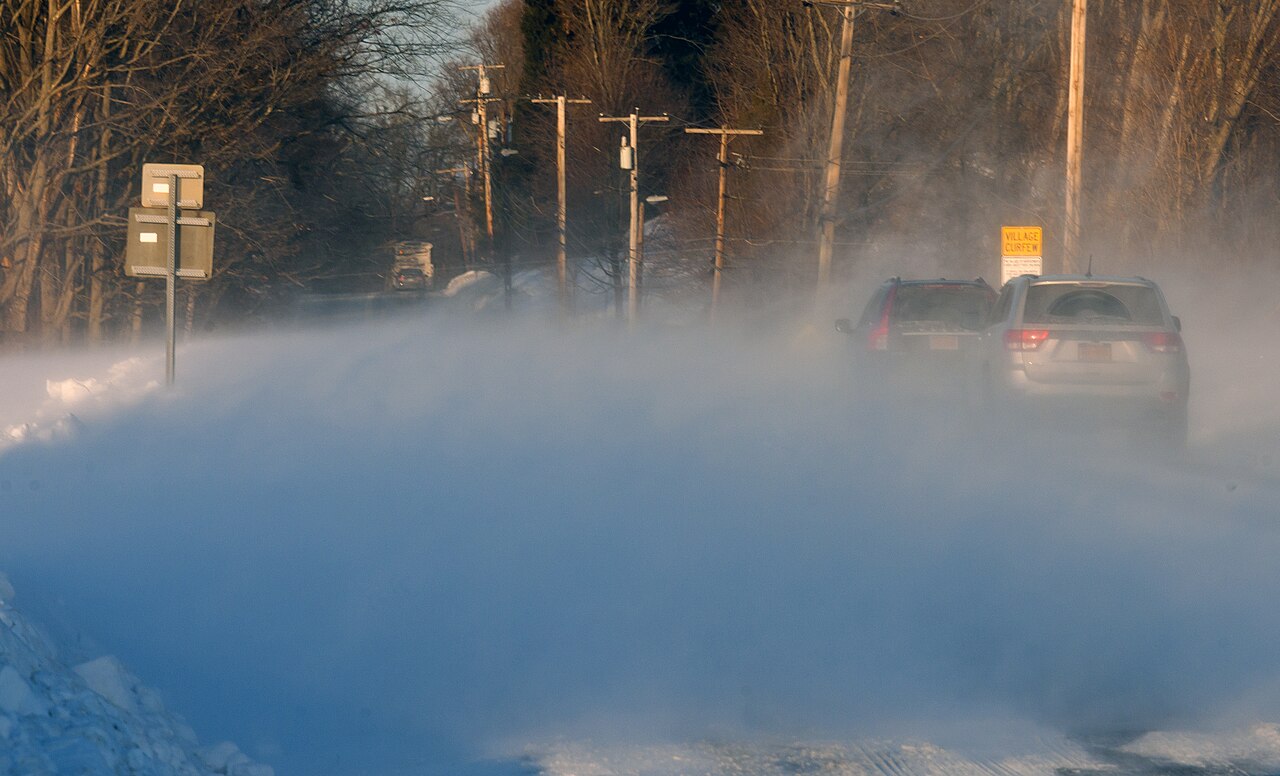
In Maine the car's enemy is not a one-day storm: it is four months of cold, snow and road salt. Cold kills batteries, salt eats the frame and ice turns a curve into a crash. Here is what costs little in October and a lot in January.
Before the first cold (October)
- Battery tested. At 0 °F a battery delivers half its power. If it is over 3 years old, replace it before, not after.
- Winter or all-season tires with real tread (more than 4/32"). Summer tires harden in the cold and don't grip. Where snow is serious, winter tires are not a luxury.
- Coolant at the right level and mix (50/50). Washer fluid rated to −30 °C, not the summer kind, which freezes in the reservoir.
- New wiper blades, lights checked, defroster working.
- Winter kit in the trunk: scraper, brush, small shovel, blanket, gloves, sand or traction mat, jumper cables, flashlight, charger, snacks and water.
- Tank always above half: it prevents condensation and gives you heat if you get stuck.
When it snows
- Clear all of the car before leaving: roof included. Roof snow slides onto your windshield when you brake, or onto the car behind.
- Double your following distance. On ice, triple it. Brake gently and early; in a skid, look and steer where you want to go.
- Bridges and overpasses freeze before the road does.
- If you get stuck: stay in the car, exhaust pipe clear of snow, engine 10 minutes per hour, window cracked. Carbon monoxide gives no warning.
Salt: the damage you don't see
Road salt and brine corrode brake lines, fuel lines, suspension and the underbody. A car that spent winters here without underbody washes can have a compromised frame by year 8 or 10.
- Undercarriage wash every two weeks in winter and a thorough one in spring.
- When buying used in Maine: look underneath with a flashlight. Surface rust is normal; flaking rust or holes in the frame rails and jack points are not.
- Ask where it spent its winters. A "southern" car carries extra value here for that reason.
Keep your vehicle information together
Sources
- MEMA — Severe winter storms
- MEMA / MaineDOT — Car preparedness bag
- National Weather Service — Gray / Portland, ME
- National Weather Service — Winter safety
- NHTSA — Flooded vehicles
- Ready.gov — Prepare your vehicle
This guide informs; it is not legal or financial advice, nor an offer, quote or appraisal. Every figure carries its source and date; check it is still current before you decide.