
Buying a car · Guide for Michigan
Dealer or private seller: pros, cons and traps of each
Neither is better by definition. Each protects you from something and exposes you to something else. Here is what changes.
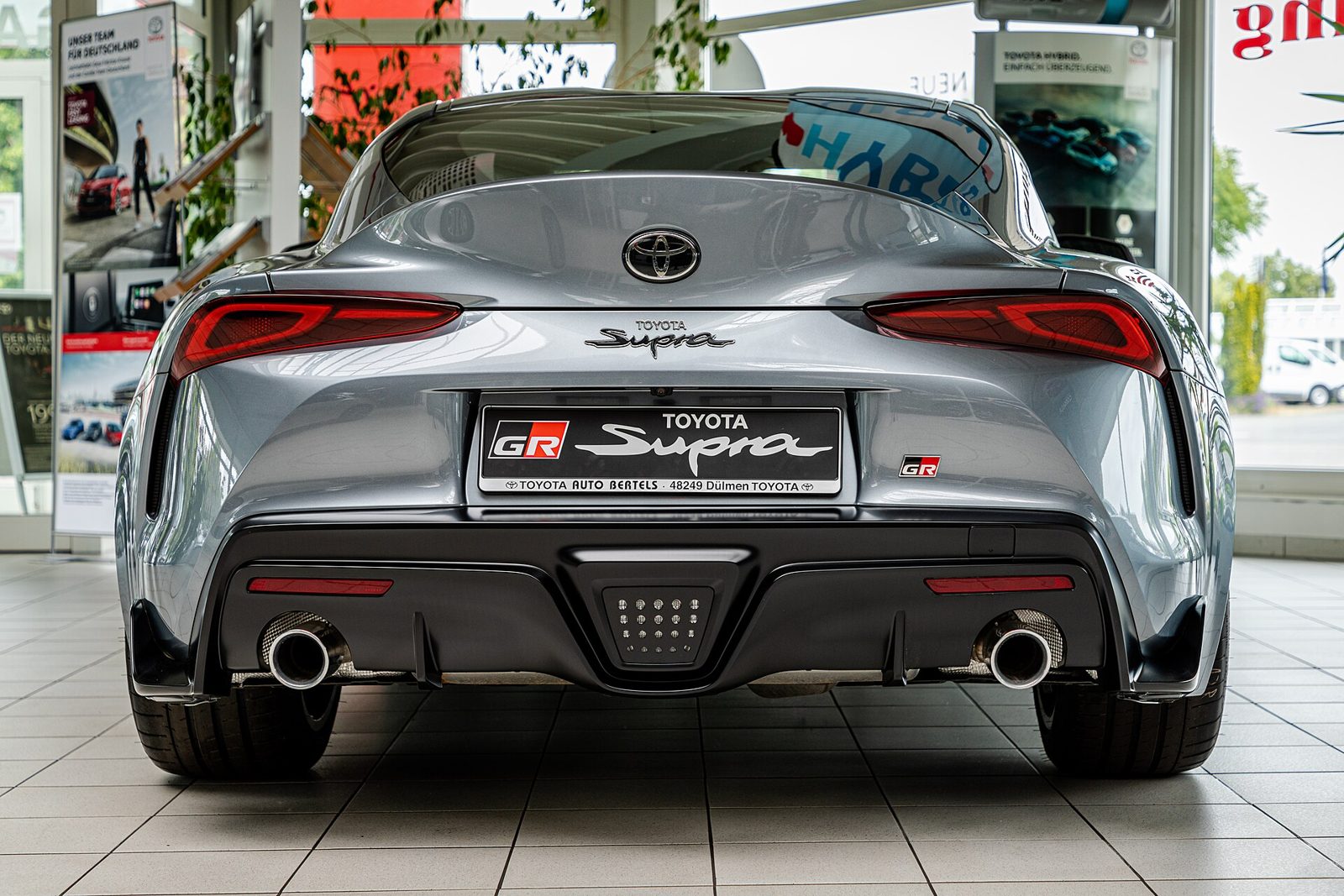
Dealer and private purchases can differ in price, documentation and warranty terms. Compare the complete agreement and vehicle condition before deciding.
Quick comparison
| Licensed dealer | Private seller | |
|---|---|---|
| Price | Compare the written total price and any documentation fee (doc fee). The cap is in the motor vehicle installment sales law: the dealer's documentary preparation fee cannot exceed 5% of the car's cash price or $280, whichever is less (MCL 492.113(2)(a)). DIFS adjusts the dollar amount every 2 years; the $280 comes from Bulletin 2025-03-CF, dated January 28, 2025. That cap is written for installment sale contracts (a financed purchase). Whether you pay cash or finance, ask for the fee to be listed separately on the contract and compare it between dealers. The SOS dealer manual does not allow the fee on motorcycles or trailers, and bars presenting it as required by the State of Michigan. | Compare the agreed price and any applicable taxes or transfer costs. |
| Warranty | The Buyers Guide states dealer warranty coverage where the federal rule applies. Maine and Wisconsin use their own versions; state-law rights may add protection. | Review the contract, remaining warranties and applicable rights; keep promises in writing. |
| Paperwork | Ask which filings the dealer handles, which documents you receive and when you may legally drive. | You do the transfer under the deadline and conditions for your transaction. At a Secretary of State office, by appointment (about 20 minutes). For a sale from one private person to another, with a Michigan paper title and no loan for the buyer, it can also be done online. It cannot be done by mail. Everyone whose name goes on the title must go in person or send an agent with form TR-128. |
| Financing | Compare the written financing offer with alternatives before deciding. | You bring the money or your own loan. |
| If something goes wrong | You have someone to complain to: the dealer's license with SOS, the state deceptive-practices law, reviews. | Complaining is hard and expensive. Your protection is the inspection beforehand. |
| Vehicle history | Check the applicable dealer disclosure rules (MCL 257.217c and MCL 257.217). | Private-seller duties can differ; review the state disclosure information and verify the title yourself. |
| Negotiation | Professional. More practice than you. | Emotional. Sometimes in your favor, sometimes not. |
Dealer traps
- The payment instead of the price. "How much do you want to pay per month?" turns an expensive car into an "affordable" one by stretching the term. Negotiate the total price of the car, then the financing.
- Add-on charges. Doc fee, "prep," "paint protection," "VIN etching," extended warranties. Ask which are optional. The cap is in the motor vehicle installment sales law: the dealer's documentary preparation fee cannot exceed 5% of the car's cash price or $280, whichever is less (MCL 492.113(2)(a)). DIFS adjusts the dollar amount every 2 years; the $280 comes from Bulletin 2025-03-CF, dated January 28, 2025. That cap is written for installment sale contracts (a financed purchase). Whether you pay cash or finance, ask for the fee to be listed separately on the contract and compare it between dealers. The SOS dealer manual does not allow the fee on motorcycles or trailers, and bars presenting it as required by the State of Michigan.
- The yo-yo. They let you leave with the car "approved" and call days later: financing "didn't go through," you must re-sign at a higher rate. Sign nothing conditional; if financing is not closed, the car stays.
- Blended trade-in. They value your car high and raise the price of the new one, or the reverse. Negotiate both separately and in writing.
- "Certified" as a sales pitch. A factory certification has value; the dealer's own "certification" is worth whatever its contract says. Read what it covers.
Private-seller traps
- The curbstoner. Someone who buys cars at auction and sells them as if they were their own, without a license. Signs: the title is not in their name, they are selling several cars, they want to meet in a parking lot. Check whether the activity requires a license and verify the title and identity before paying.
- Title with a lien. The car has an outstanding loan. Confirm with the lender and title agency how the lien is recorded or released before paying.
- Open title. The seller hands you a title signed by a previous owner with the buyer left blank. An incomplete ownership chain can prevent the transfer; confirm the required documents before paying.
- The payment. Don't bring cash to a stranger. Close the transfer at the tax collector or a bank, with the title in hand.
- The solo test drive. For them it is a theft risk; for you, an uninsured car. Both ride along, with the owner's license and insurance current.
What does not change
In both cases: VIN checked, title reviewed, history on the VIN and an inspection by a mechanic you choose. The dealer gives you more paper; paper does not inspect the transmission.
Rule of thumbChoose based on written terms, documentation, an independent inspection and your ability to complete the transfer; seller type guarantees neither price nor mechanical condition.
From a guide to the individual vehicle
Sources
- FTC — Used Car Rule and the Buyers Guide
- FTC — Comprar un carro usado (en español)
- Michigan DIFS — Bulletin 2025-03-CF, Documentary Preparation Fee Adjustment under the Motor Vehicle Sales Finance Act
- Michigan Department of State (Secretary of State)
This guide informs; it is not legal or financial advice, nor an offer, quote or appraisal. Every figure carries its source and date; check it is still current before you decide.
Keep reading
You know what to look for. Now look at that specific car.
Free vehicle identity, no account needed. Reports from $4.99.