Buying a car · Guide for North Carolina
This guide is the same in all 50 states See the US rule →
Checklist before buying a used car in North Carolina
Twenty minutes of checks worth more than any seller's promise. Print it or keep it on your phone.
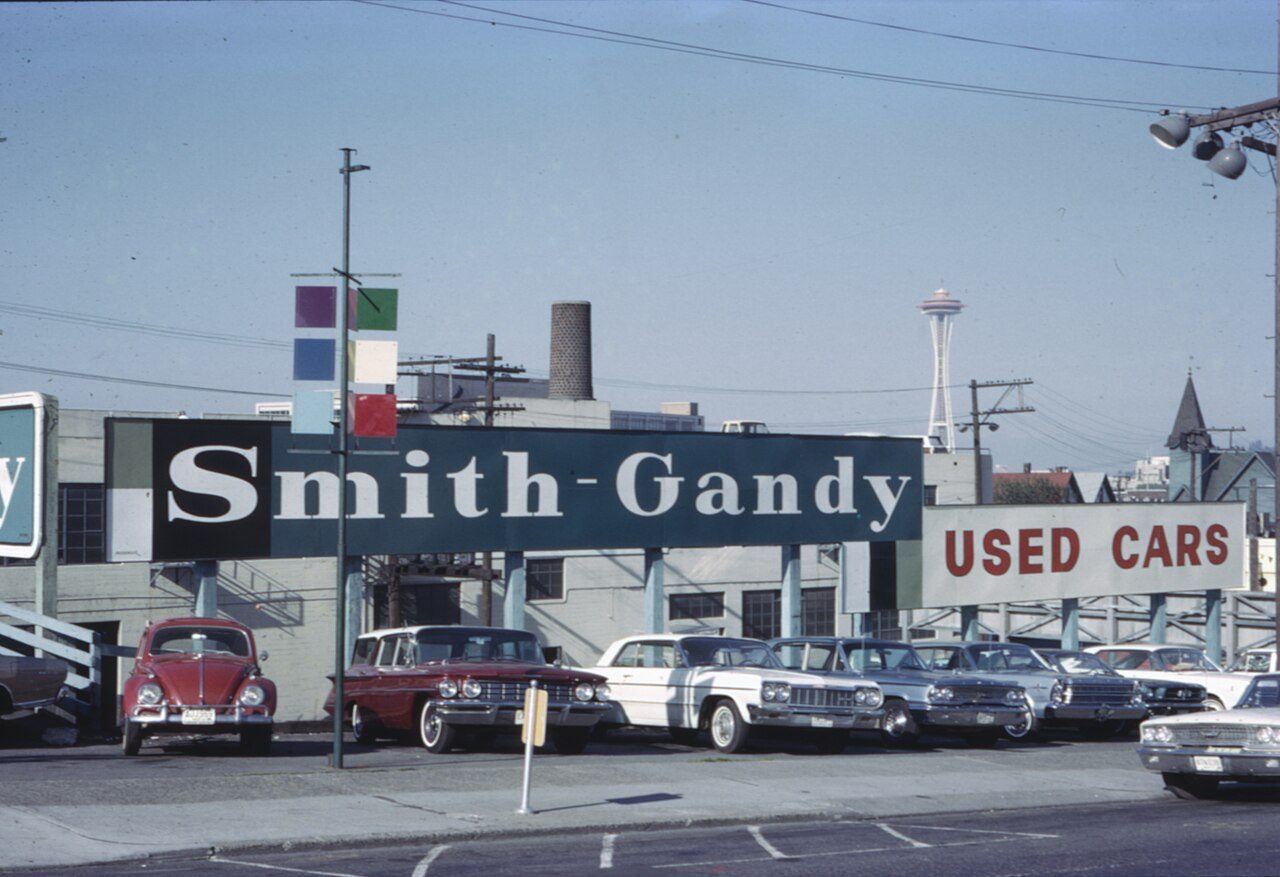
Buying used in North Carolina has its own rules: where to look up the title, which brands the state uses and what the climate leaves on a car. A big market means good prices and also more cars with stories nobody tells. This list runs in order: what you can do from home first, what you check on the lot next, and what you sign at the end.
Before you leave home
- Ask for the VIN by message. If the seller won't give it, you already have your answer.
- Decode the VIN for free and compare it with the listing: year, trim, engine. If it doesn't match, ask why.
- Check for open recalls at NHTSA with that VIN.
- Look the title up at the state's official source: salvage, rebuilt and flood brands, and the title status.
- NCDMV vehicle record (form MVR-605A, by mail or in person): www.ncdot.gov.
- Dealer complaint or inquiry — NCDMV License & Theft Bureau: www.ncshp.gov.
- Vehicle examination (salvage, import, specially constructed) — License & Theft Bureau: www.ncshp.gov.
- Certified copy of the vehicle's NCDMV title history — $16.75, form MVR-605A: www.ncdot.gov.
- Rebuilder affidavits for a rebuilt car — open for review and copying (G.S. 20-71.3(f)): www.ncleg.gov.
- Vehicle property tax and the Tag & Tax Together program — NCDMV: www.ncdot.gov.
- Highway-Use Tax exemption for a family transfer — form MVR-613: www.ncdot.gov.
- Emissions inspection counties and exemptions — NCDMV: www.ncdot.gov.
- Run NICB VINCheck for theft or a total loss declared to an insurer.
- Compare the asking price with the market for that year, mileage and area. A price far below market almost always has an explanation.
- If it's a dealer: look up their license in the state registry and read recent reviews, not the ones on the dealer's own site.
On the lot: outside
- All three VINs match: dashboard, driver's door and title.
- Paint: different gloss between panels, "orange peel" texture or overspray on rubber and trim mean repair.
- Even panel gaps. A misaligned hood or door suggests a hit.
- Tires: even wear, same brand on each axle, DOT date code under 6 years old.
- Underneath: rust is not normal on a local car in this climate; it usually comes from up north or from salt water.
- Lights and headlamps with no moisture inside.
On the lot: inside
- Musty or moldy smell, new carpets in an old car, rust on seat bolts: flood signs.
- Sand, mud or a water line under the dash, in the trunk and in the spare-tire well.
- Dash lit up: every warning light comes on with the key and goes off after start. If one never lights, the bulb may have been pulled.
- Odometer: compare mileage with wear on the pedals, steering wheel and driver's seat.
- Air conditioning cold within 2 minutes (in this climate it is not optional); heater and defroster too.
- Every window, lock, mirror and the screen respond.
Test drive (at least 20 minutes)
- Cold start: metallic noise, blue or white smoke on start-up.
- Brakes: no vibration in the wheel, no pulling to one side.
- Steering centered on a straight road; the car doesn't drift when you let go.
- Smooth shifts, no clunks or slips; in automatics, no delay going from P to D.
- Highway at 60–70 mph: no vibration, no bearing noise.
- Afterward: nothing dripping underneath, no burnt smell from the engine.
Before you sign
- Pre-purchase inspection by an independent mechanic you choose. If the seller refuses, walk away.
- History report on the VIN: titles, odometer, listing history.
- Title in the seller's name, no lien, or with a lien release letter from the bank.
- At a dealer: the "Buyers Guide" on the window says whether it is "As Is" or has a warranty. What that paper says is what counts.
- Everything promised out loud, in writing in the contract.
- Add up the total: price, dealer doc fee, tax, tag and title. Negotiate the total, not the monthly payment.
Two signals to leave without arguingThe seller won't let a mechanic look at it, or the VIN on the title is not the one on the car. No price makes up for either.
From a guide to the individual vehicle
Sources
- FTC — Comprar un carro usado (en español)
- NHTSA — Recalls by VIN
- NICB — VINCheck (robo and pérdida total reportados)
- NCDMV vehicle record (form MVR-605A, by mail or in person)
- Dealer complaint or inquiry — NCDMV License & Theft Bureau
- Vehicle examination (salvage, import, specially constructed) — License & Theft Bureau
- Certified copy of the vehicle's NCDMV title history — $16.75, form MVR-605A
- Rebuilder affidavits for a rebuilt car — open for review and copying (G.S. 20-71.3(f))
- Vehicle property tax and the Tag & Tax Together program — NCDMV
- Highway-Use Tax exemption for a family transfer — form MVR-613
- Emissions inspection counties and exemptions — NCDMV
This guide informs; it is not legal or financial advice, nor an offer, quote or appraisal. Every figure carries its source and date; check it is still current before you decide.
Keep reading
You know what to look for. Now look at that specific car.
Free vehicle identity, no account needed. Reports from $4.99.