
Pick your state to see what changes →
The history of the automobile in 12 cars
From a motorized tricycle to a driverless taxi. Twelve machines that explain why your car is the way it is.
Want the story of your model? Pick it and jump to its page.
A car is 140 years of accumulated decisions: where the engine goes, how it is built, what it costs, what protects you in a crash. This is that story told through twelve cars, one per leap. No dates from memory: every milestone carries its source at the bottom.
1886 · Benz Patent-Motorwagen
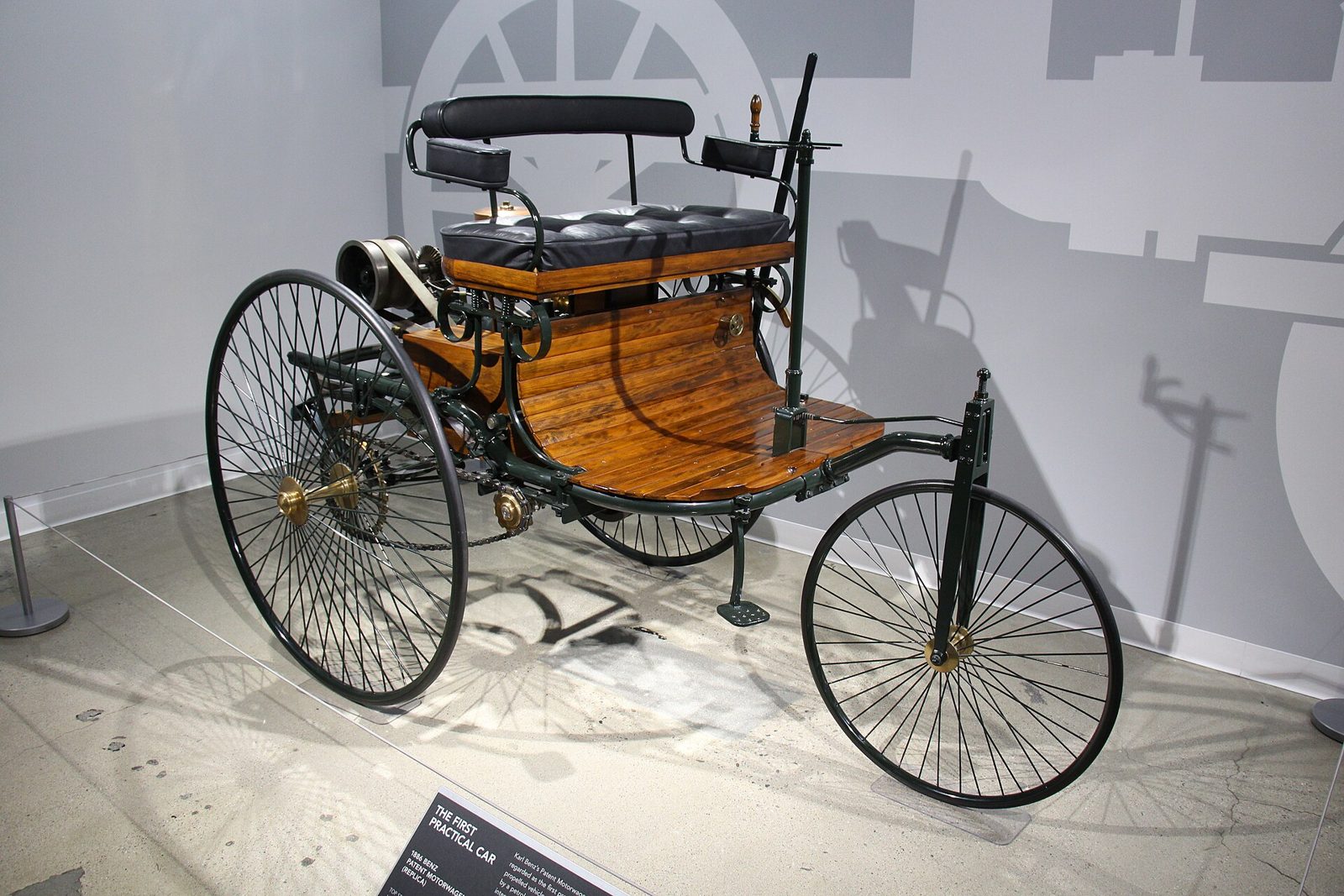
In January 1886 Karl Benz patented a three-wheeled vehicle with a single-cylinder engine of less than one horsepower. It was not the first motorized carriage, but it was the first designed from the ground up as an automobile. In 1888 his wife, Bertha Benz, made the first long trip (about 100 km) to prove it worked.
1908 · Ford Model T
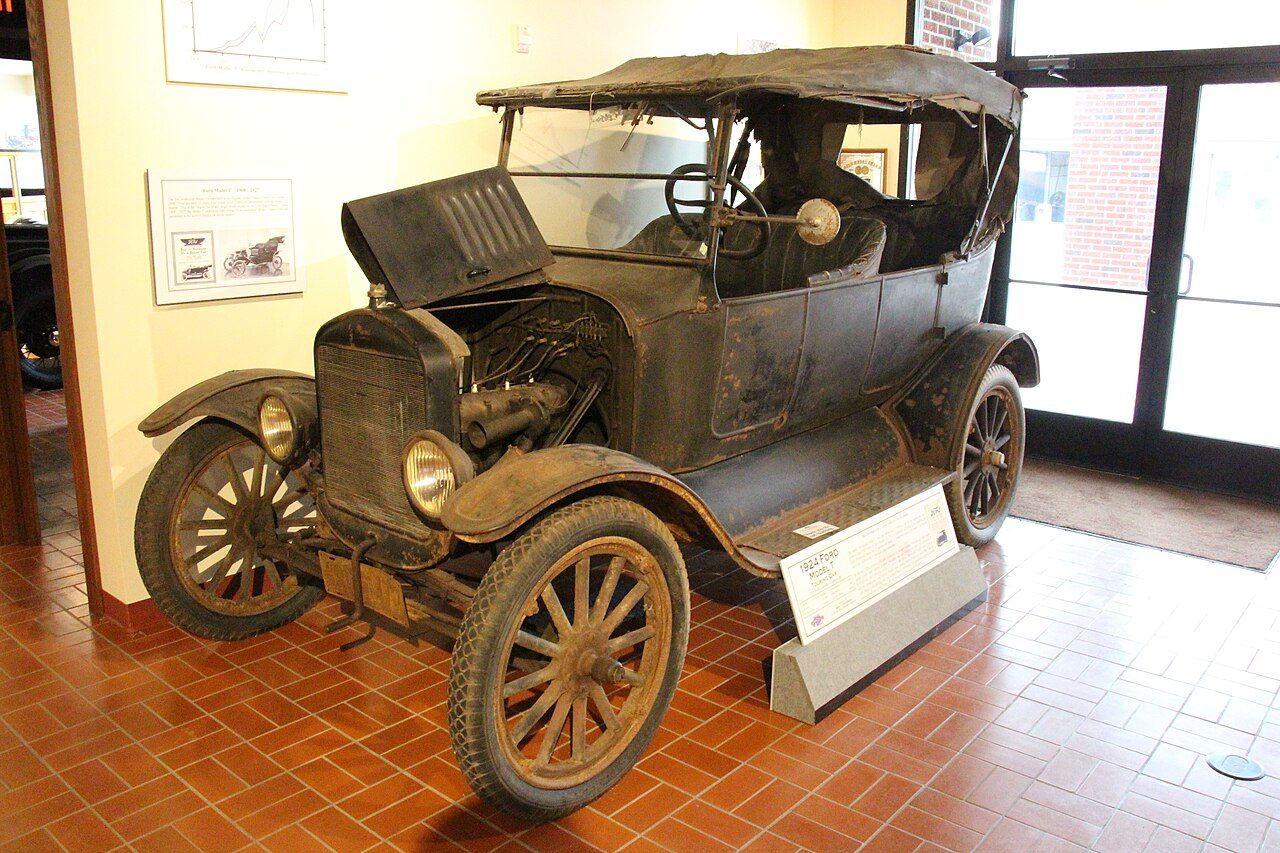
Simple, tall enough for dirt roads and, above all, cheap. The Model T turned the car from a rich man's toy into a family tool. More than 15 million were built through 1927. Its lesson still holds: the car that wins is not the best one, it is the one most people can afford.
1913 · The moving assembly line
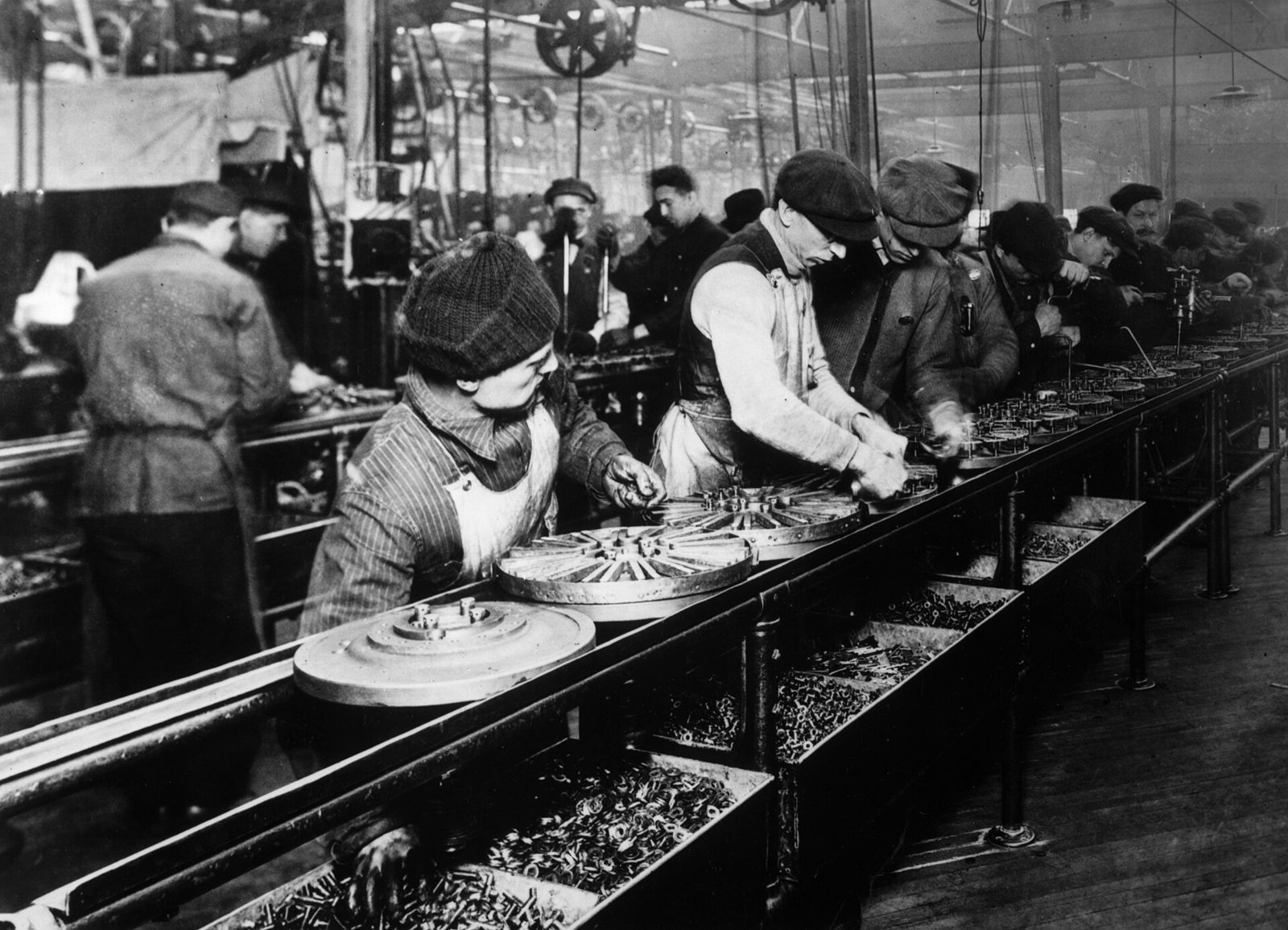
Ford did not invent the car; he invented the way to build them fast. At Highland Park, chassis assembly dropped from more than 12 hours to about an hour and a half. The Model T's price fell year after year. The whole industry copied the method.
1938 · Volkswagen Beetle
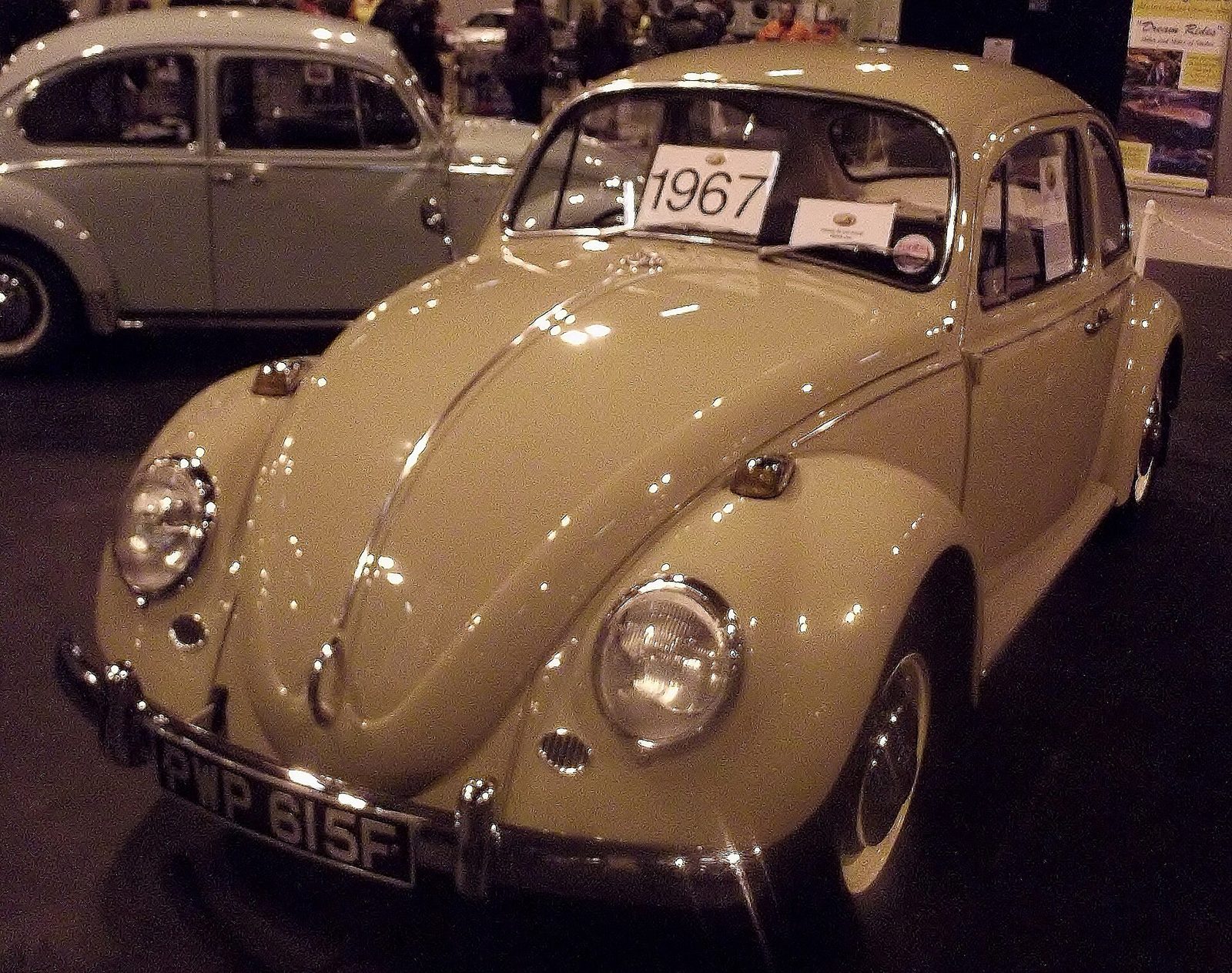
Designed by Ferdinand Porsche as a "people's car," it stayed in production until 2003 with more than 21 million built. Air-cooled rear engine, simple mechanics, cheap parts. Half the world learned to drive in one.
1957 · Chevrolet Bel Air
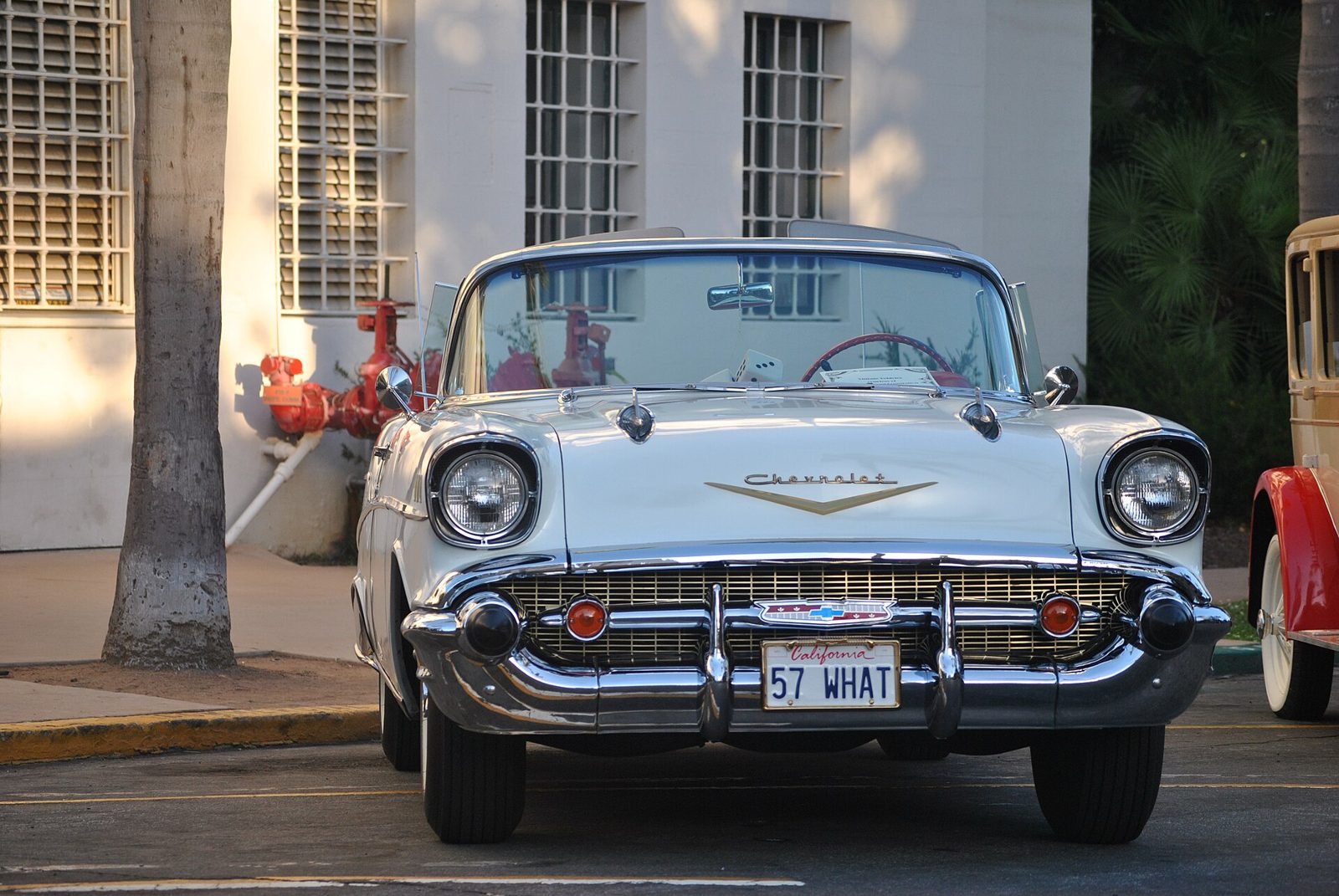
Chrome, fins and a V8. The 1950s in the United States were the decade of the car as a way of life: interstate highways, suburbs, drive-ins. The '57 Bel Air is the poster of that era, and today one of the most sought-after classics.
1964 · Ford Mustang
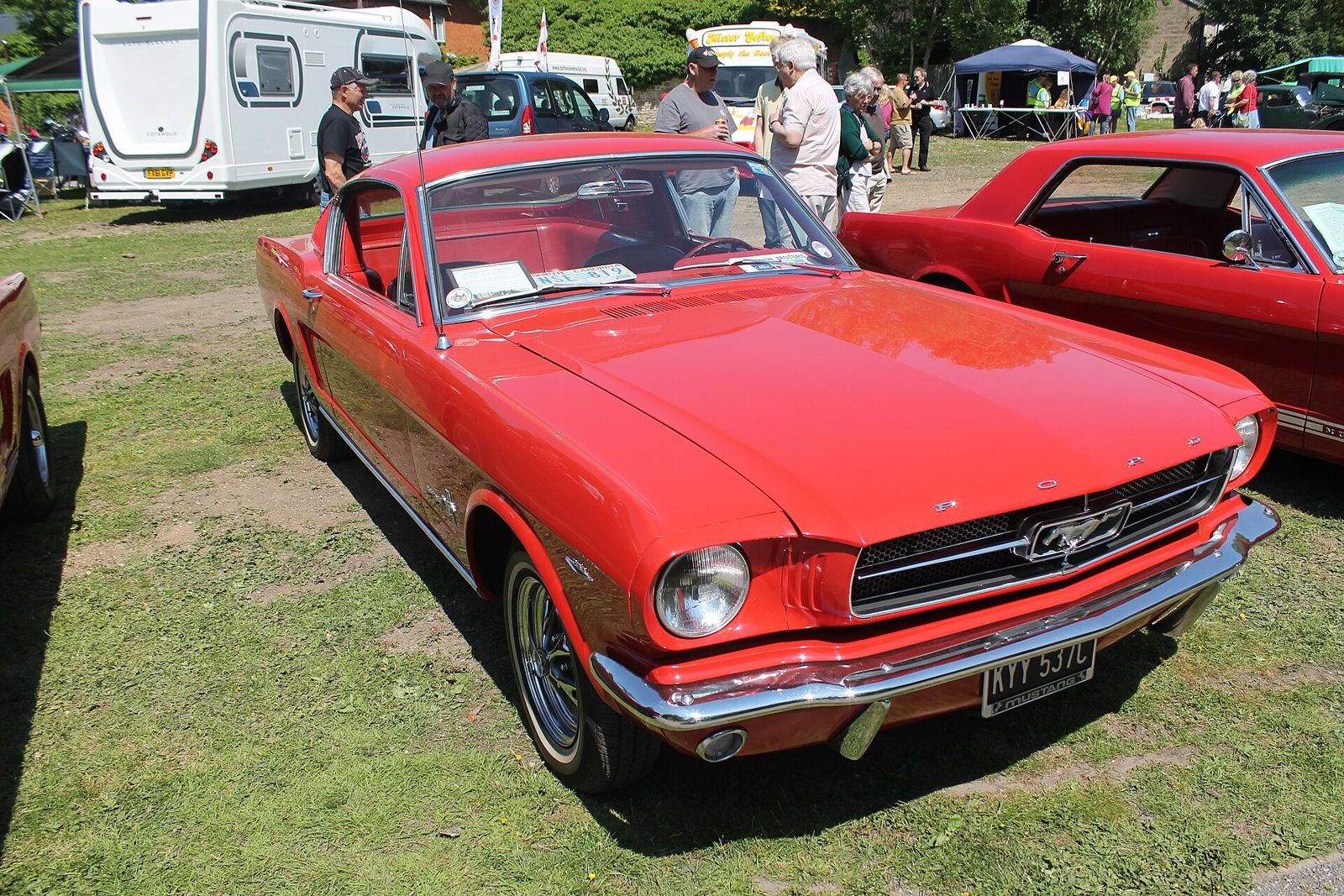
Unveiled in April 1964 at the New York World's Fair, it sold more than a million units in under two years. It invented a category, the "pony car": sporty, affordable and endlessly customizable. It is still in production.
1966 · Toyota Corolla
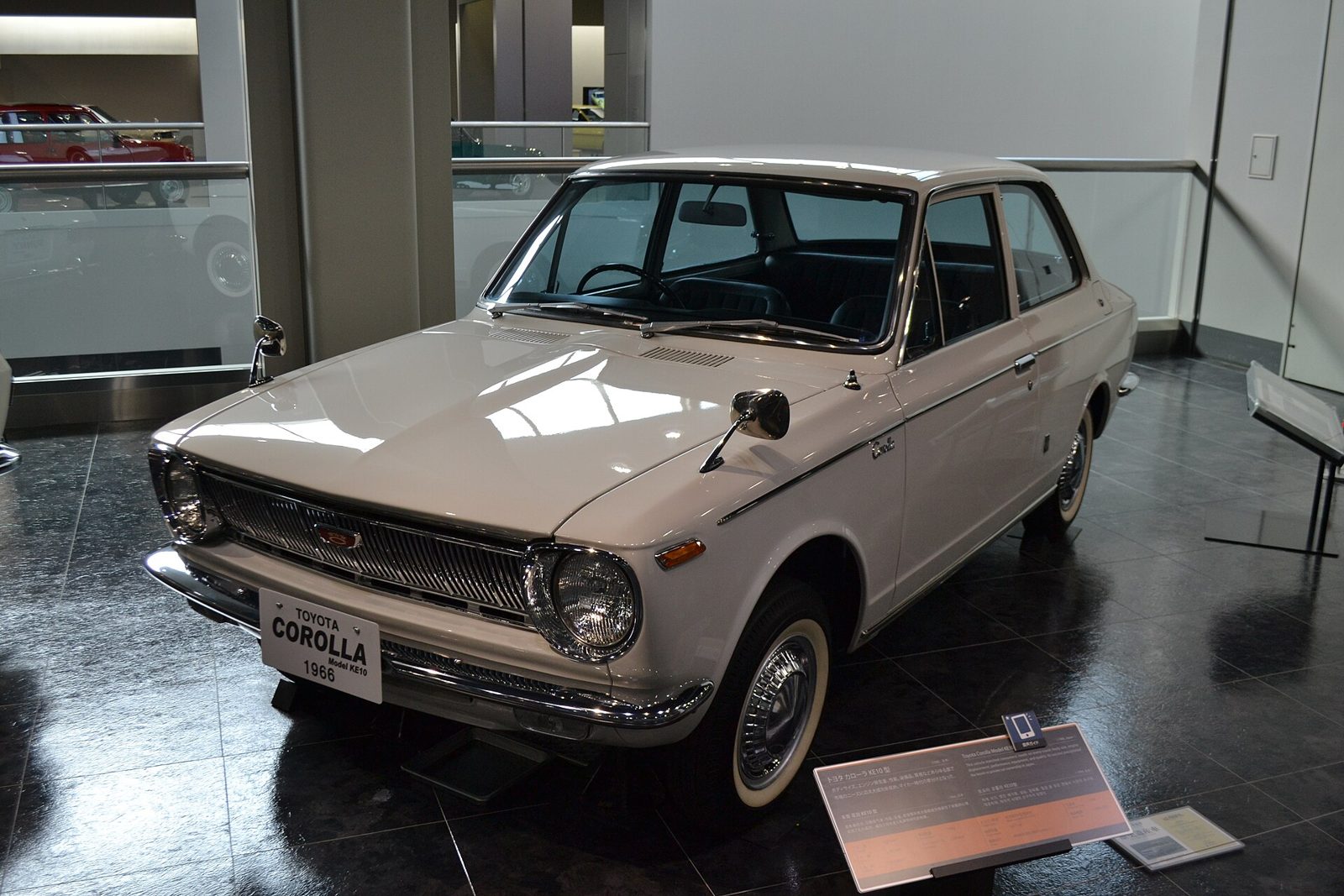
Nobody suspected it in 1966, but the Corolla became the best-selling car in history: more than 50 million. Reliability, low running cost, few surprises. If you now value cost of ownership over horsepower, you owe it to this car.
1966 · Government steps into the car
That same year the United States passed the National Traffic and Motor Vehicle Safety Act, creating the agency that is now NHTSA. Seat belts, recalls and crash standards come from there. In 1981 NHTSA standardized the 17-character VIN we still use to identify every vehicle.
1974 · Volkswagen Golf
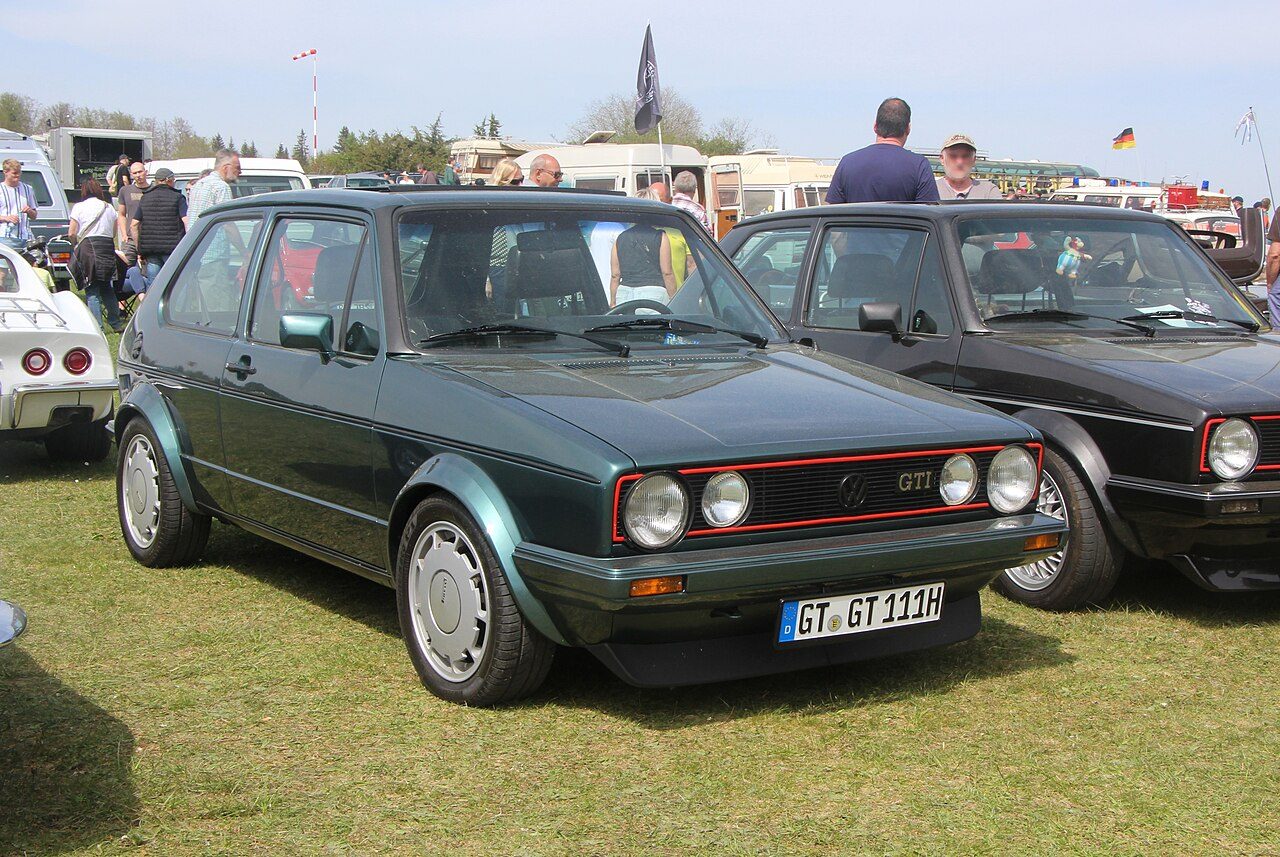
Front engine, front-wheel drive, a hatch, five seats in four meters. The Golf replaced the Beetle and defined the "modern compact": nearly every hatchback you see today follows its formula.
1997 · Toyota Prius
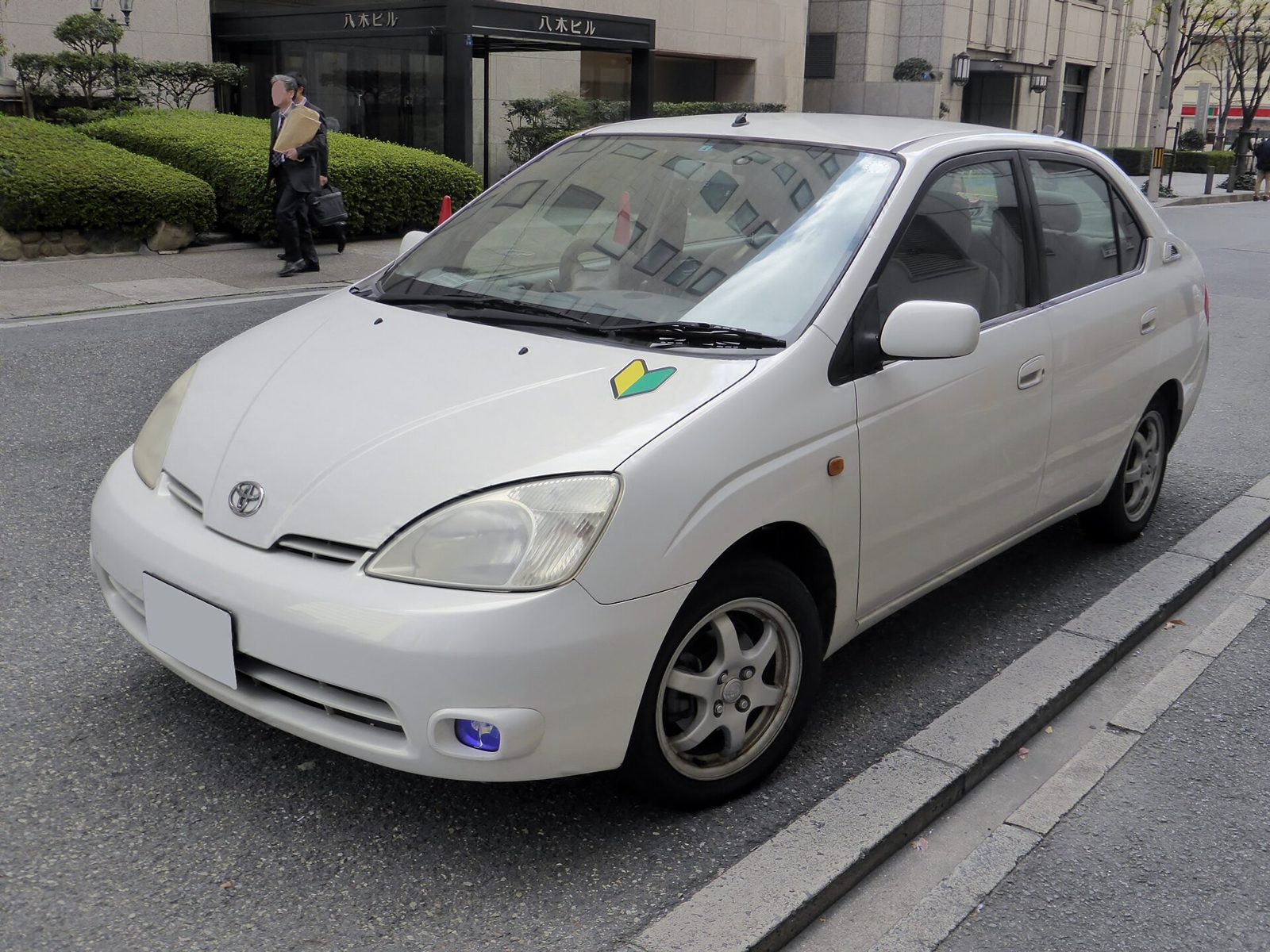
The first mass-produced gasoline-electric hybrid. At first it was a curiosity; twenty years later, hybrid technology is in millions of cars from every brand. It marked the moment fuel economy stopped being a footnote and became a selling point.
2012 · Tesla Model S
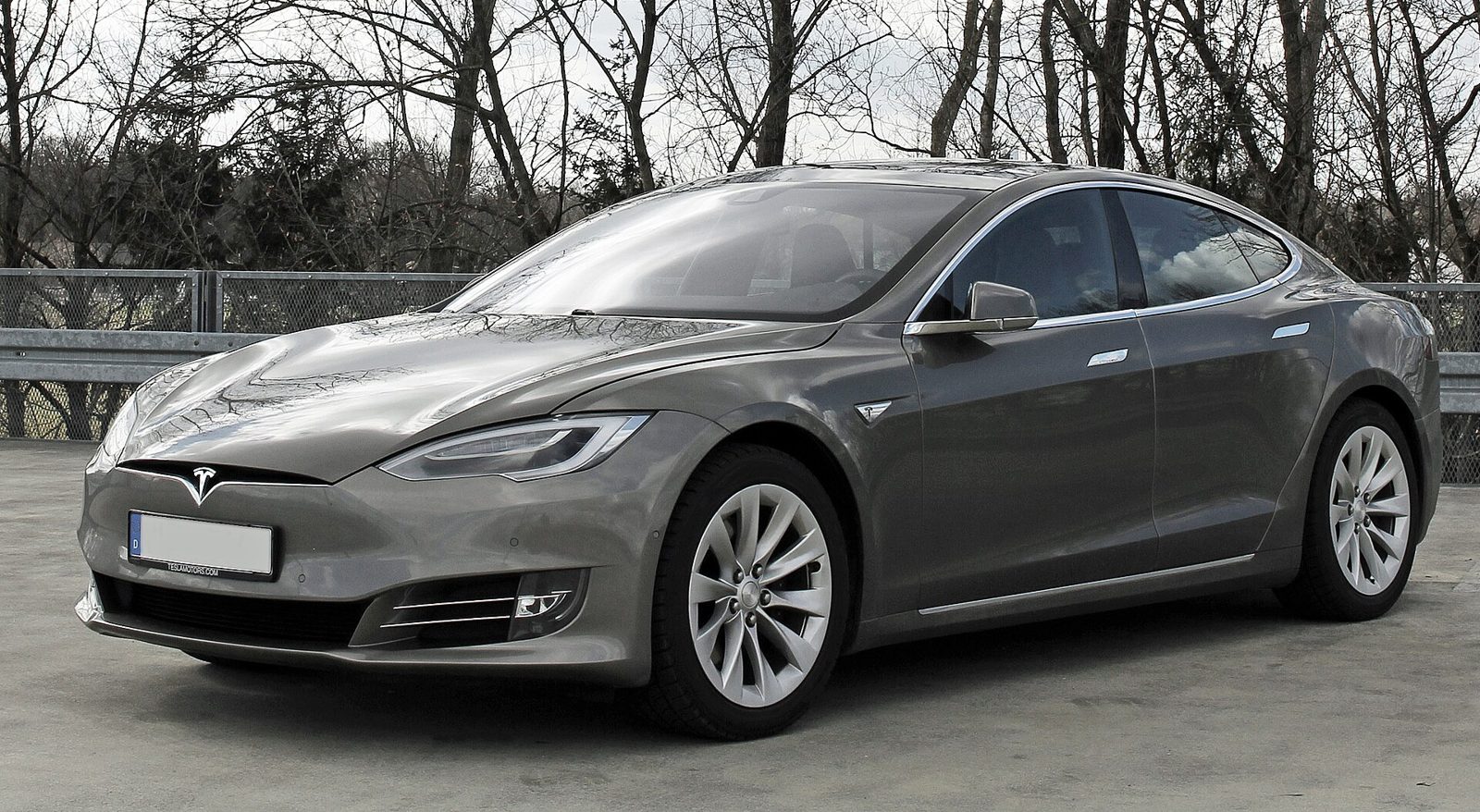
Not the first electric car, but the first people wanted out of desire rather than duty: more than 250 miles of range, over-the-air software updates and a screen instead of buttons. It forced the whole industry to take the electric car seriously.
2015 · Ford F-150
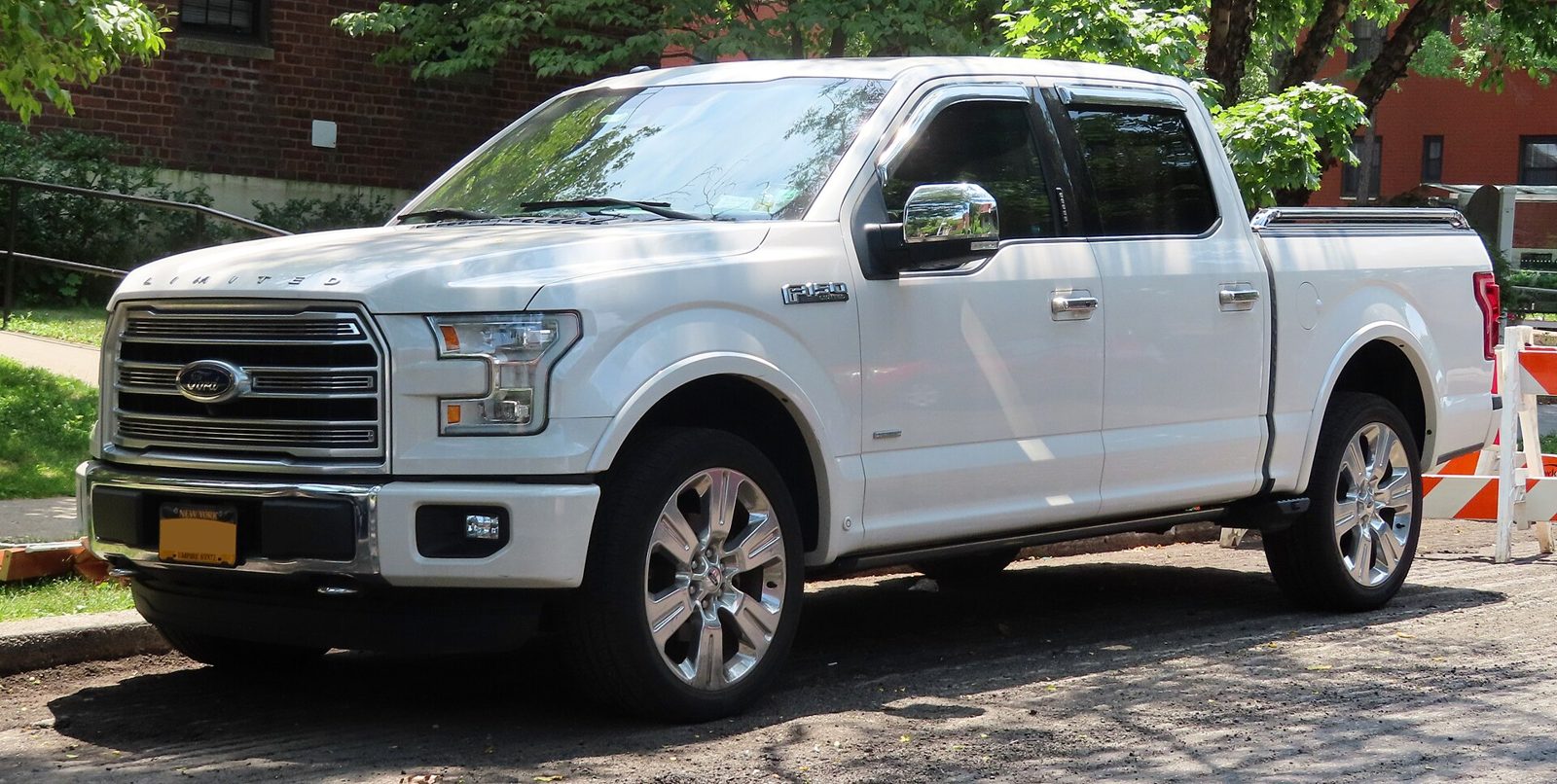
The pickup has been the best-selling vehicle in the United States for decades, and the F-Series leads that list. In 2015 Ford switched its body to aluminum to cut weight. What happens with the F-150 explains half the American market: size, torque and towing matter more than efficiency.
2020 · The driverless taxi
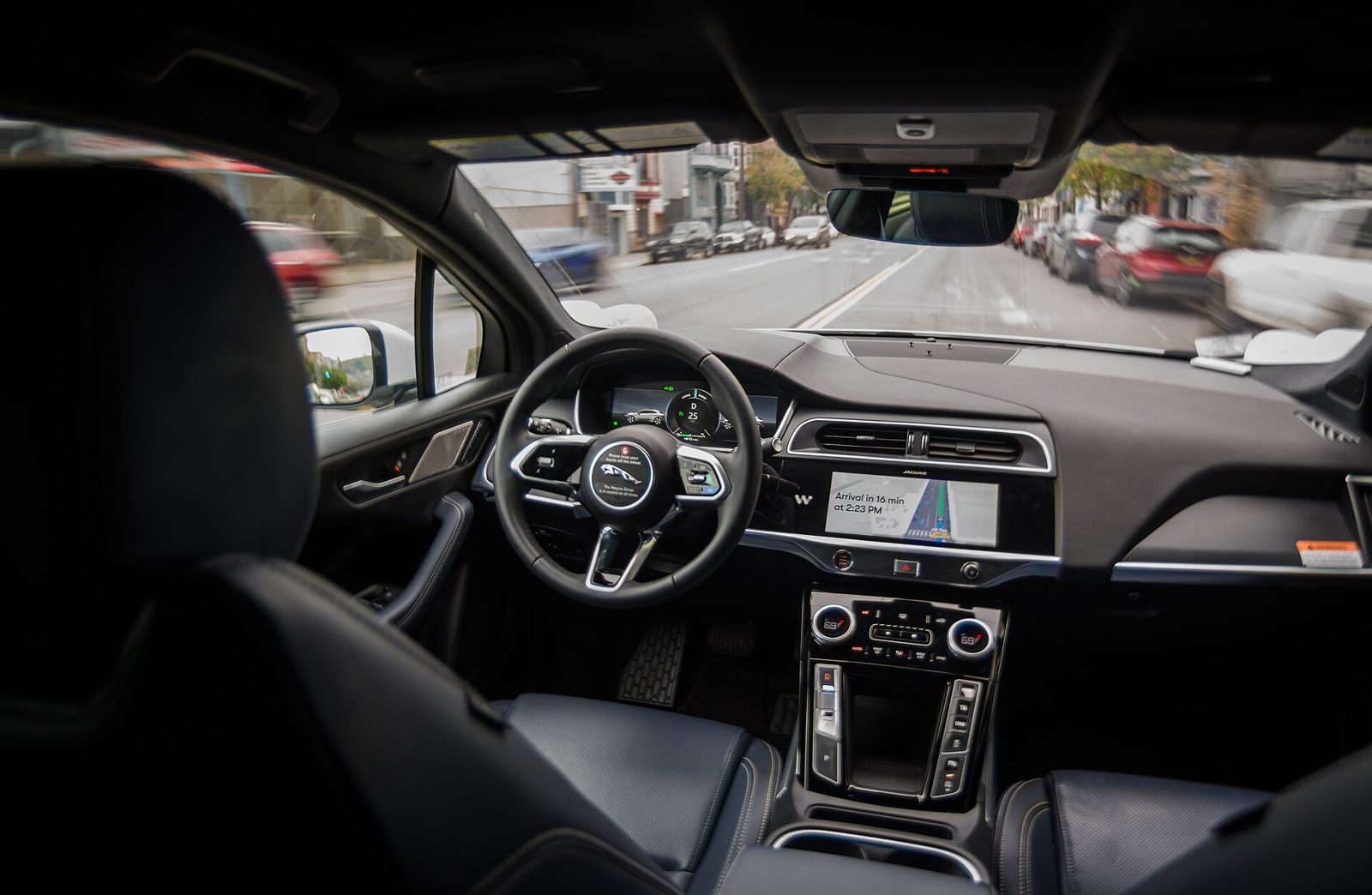
In October 2020 Waymo opened a taxi service in Phoenix with nobody behind the wheel. It is still limited to a few cities, but it closes the loop: the car was born for a person to drive it, and 134 years later it is starting to drive itself.
When the story becomes your next car
Sources
- Mercedes-Benz Group — Benz Patent Motor Car, 1886
- The Henry Ford — Model T and the moving assembly line
- Toyota — Corolla history
- NHTSA — Vehicle identification numbers (49 CFR Part 565)
- Library of Congress — Everyday Mysteries: who invented the automobile?
This guide informs; it is not legal or financial advice, nor an offer, quote or appraisal. Every figure carries its source and date; check it is still current before you decide.