
Virginia title and registration, step by step
Which forms, which fees and which deadlines. For a car bought in the state and for one you bring from another.
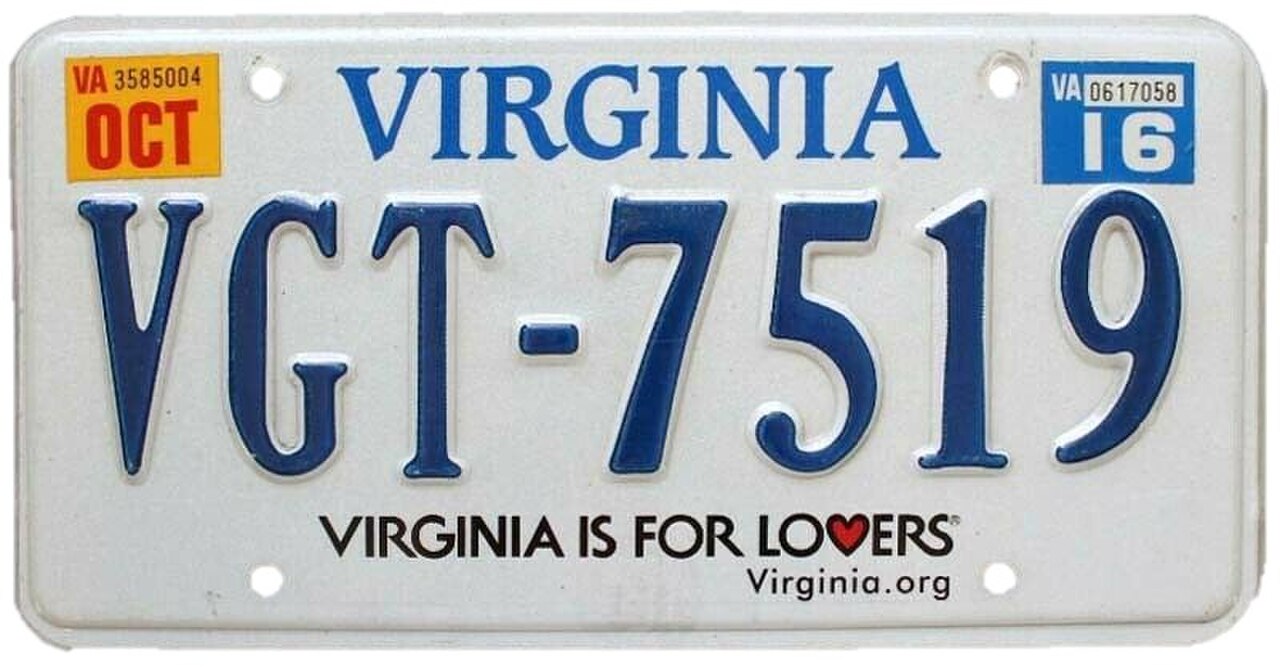
In Virginia the title is issued by Virginia Department of Motor Vehicles (DMV). Virginia can keep a title in electronic form only. In a sale between two Virginia residents, with no lien on the car and a myDMV account, the transfer is done online and no paper title is printed. If you want paper, request it online or with form VSA 67. If the car has a lien or an out-of-state title, the process is in person or by mail.
Where it happens. At a DMV customer service center, at a DMV Select office or by mail. If seller and buyer both live in Virginia, have a myDMV account and the car has no lien, they can do the transfer online through the electronic titling program. Confirm the deadline and the event that starts it for your transaction: a purchase, receipt of the signed title or a move into the state can have different rules. Late-fee information in the state sources: $10.00 late registration fee (DMV 201, rev. 08/10/2026); no separate late title fee is printed on the fee chart.
Case 1: you bought a car in Virginia (private seller)
What the seller hands you
- The title with the transfer section completed: your name and address, sale price, date, odometer reading and the seller's signature (both owners if two names are joined by "and").
- If there was a loan: a lien release from the bank, or the lien already removed from the title.
- A bill of sale with VIN, price and signatures. You need it for the sales tax.
What you bring to the office
- The state forms (below), completed.
- The signed title and the bill of sale.
- Applicable insurance or financial-responsibility documents: The minimum is $50,000 for injury or death of one person, $100,000 for two or more people and $25,000 for property damage (50/100/25), for policies from January 1, 2025. The insurer must be authorized in Virginia. Without insurance: a $600 fee and suspension of license and registration.
- Valid photo ID.
- Payment: title, registration, plate and sales tax if not paid yet.
Case 2: you bring a car from another state
- Everything above, plus: The DMV pages we reviewed do not ask for a physical VIN inspection for a regular car with an out-of-state title: they ask for that state's title, form VSA 17A, proof of address and your Social Security number if you have one. Before you drive it, the car must pass Virginia's annual safety inspection (and emissions if you live in Northern Virginia). A rebuilt car does get an exam by a DMV special agent ($125).
- The original out-of-state title (or the bank's letter if it holds it for the loan).
- Tax: 4.15% of the sale price, with a $75 minimum. Paid to DMV when you title the car, including in a private sale (the price the seller writes on the title serves as the bill of sale). There is no trade-in deduction: the full price is taxed. DMV figures the tax on the gross sales price, which is taken after rebates or incentives but does include the dealer processing fee. If the car was already titled to you in another state and you move here, you don't pay; if you bought it in the last 12 months, you must prove you paid the tax there. Separately, your city or county charges a yearly personal property tax on the car.
Forms
- VSA 17A — Application for Title and Registration (required when the title is from another state)
- VSA 67 — Application for Replacement and Substitute Titles
- VSA 59 — Rebuilt Vehicle Disclosure Statement, signed by seller and buyer
- SUT 3 — Purchaser's Statement of Tax Exemption (for example, a family gift)
Fees — confirm current amounts (DMV)
| Item | Fee |
|---|---|
| Original title or transfer | $15.00 |
| Replacement or substitute title | $15.00 |
| Annual registration, passenger car up to 4,000 lb | $30.75 |
| Annual registration, passenger car 4,001 to 6,500 lb | $35.75 |
| Moving your current plates to another car (registration transfer) | $2.00 |
| Late registration fee | $10.00 |
| Trip permit to move an unregistered car | $5.00 |
| Vehicle sales and use tax (SUT) | 4.15% (mínimo $75.00) |
| Highway use fee (some electric or high-mileage cars), on top of registration | $135.63 (eléctrico/electric) · $7.05–$103.48 (25–100 MPG) · 07/01/2026–06/30/2027 |
| Uninsured (noncompliance) fee | $600.00 |
Amounts come from the linked state sources and can change. This guide distinguishes source checkpoints from narrow claim reviews; confirm the total for your transaction before you go. A dash means an amount has not been confirmed here.
Sales tax
4.15% of the sale price, with a $75 minimum. Paid to DMV when you title the car, including in a private sale (the price the seller writes on the title serves as the bill of sale). There is no trade-in deduction: the full price is taxed. DMV figures the tax on the gross sales price, which is taken after rebates or incentives but does include the dealer processing fee. If the car was already titled to you in another state and you move here, you don't pay; if you bought it in the last 12 months, you must prove you paid the tax there. Separately, your city or county charges a yearly personal property tax on the car.
If you sell: protect yourself
Listed seller-notice or transfer document: Report a Vehicle Sold or Traded (en línea, en un centro de servicio o por teléfono). Check its conditions and the state process below. The plate belongs to the seller: they remove it before handing over the car and move it to their next car ($2.00) or turn it in or deactivate it at DMV before canceling their insurance. They must then tell DMV the car was sold. DMV says reporting is required by law, but the Code sets no deadline in days and § 46.2-604 says the general penalty in § 46.2-113 does not apply to someone who fails to report. Report it the same day anyway: until DMV knows, the car is still in your name. The buyer cannot use the seller's plate: they register the car and get plates at DMV, or use a trip permit ($5.00) to move it. Keep copies of the title, filed notices and handover date to answer later registration, toll or ownership questions.
Mistakes that cost
- Missing the deadline. Check the deadline and consequence for your transaction; filing periods and penalties do not all start from the same event.
- Title with cross-outs or correction fluid. Ask the issuing agency which correction or replacement document it accepts before using it.
- Buying with an "open" title (signed by a previous owner, not the person selling to you). Confirm the ownership chain and the documents the agency requires before paying.
- Showing up without in-state insurance. Confirm the insurance or financial-responsibility documents required for your situation.
Keep the records; check the official process
Sources
- Virginia DMV — Fee chart DMV 201 (rev. 08/10/2026)
- Va. Code § 46.2-630 — Transferee forwards title to DMV within thirty days
- Virginia DMV — Buying or selling a vehicle
- Virginia DMV — Electronic titling
- Virginia DMV — Insurance requirements
- Virginia DMV — Welcome to Virginia (DMV 140)
- Virginia DMV — Title Your Vehicle or Trailer (out-of-state document list; $15 titling fee)
- Virginia DMV — 2026 Estimated Highway Use Fee Chart (valid 07/01/2026–06/30/2027)
- Virginia DMV — Prospective Purchaser Inquiry (PPI), $12 per vehicle
- Va. Code § 38.2-2206 — Uninsured motorist coverage required in every policy
- Va. Code § 46.2-1167 — Charges for safety inspection and reinspection
- Virginia State Police — Vehicle Safety Inspection
- Va. Code § 58.1-2411 — Civil penalties upon failure to pay tax (10% or $10, whichever is greater, plus 1.5% monthly interest)
- Va. Code § 46.2-604 — Seller notifies the Department of a sale; § 46.2-113 penalty does not apply
- Virginia DMV — Sales and Use Tax (SUT)
- VSA 17A — Application for Title and Registration (required when the title is from another state)
- VSA 67 — Application for Replacement and Substitute Titles
- VSA 59 — Rebuilt Vehicle Disclosure Statement, signed by seller and buyer
- SUT 3 — Purchaser's Statement of Tax Exemption (for example, a family gift)
This guide informs; it is not legal or financial advice, nor an offer, quote or appraisal. Every figure carries its source and date; check it is still current before you decide.